
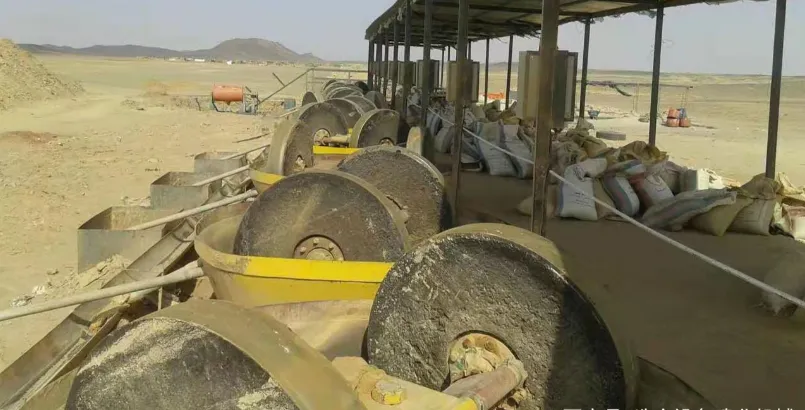
Wet Disc Mill: The Ultimate Gold Mill for Efficient Mineral Processing
In the world of mineral processing and gold extraction, efficiency and reliability are everything. One piece of equipment that has stood the test of time and continues to deliver outstanding results is the wet disc mill—often called the gold mill or wet pan mill. Whether you're running a small-scale mining operation or a large industrial plant, this workhorse can make all the difference in your gold recovery rates. In this article, we'll dive deep into what makes the wet disc mill tick, how it works, and how you can use it to maximize your gold output.
What is a Wet Disc Mill (Gold Mill)?
A wet disc mill, commonly referred to as a gold mill in the mining industry, is a type of grinding equipment specifically designed for processing gold-bearing ores. It uses a horizontal rotating disc or grinding wheel that crushes and grinds material against a stationary grinding base. Water is added to the process, hence the term "wet"—this helps to prevent dust, cool the grinding surfaces, and facilitate the separation of gold particles.
Originally inspired by traditional stone mills, modern wet disc mills are built with durable steel and lined with wear-resistant materials. They are particularly popular in Africa, South America, and Asia for small to medium-scale gold mining because of their simplicity, low cost, and high effectiveness in liberating fine gold from ore.
How Does a Wet Disc Mill Work?
Understanding the working principle of a wet disc mill is key to optimizing its performance. The process can be broken down into three main stages: feeding, grinding, and discharging/panning.
Feeding the Ore
The gold-bearing ore is first crushed to a manageable size (usually below 20–30 mm) and then fed into the mill’s hopper. A steady water supply is introduced alongside the ore. The water not only controls dust but also creates a slurry that aids in the grinding process and helps carry the gold particles.
The Grinding Mechanism
Inside the gold mill, a large, heavy rotating disc (the runner wheel) spins horizontally over a stationary grinding base. The disc is powered by an electric motor or diesel engine via a gearbox or belt drive. As the disc rotates, it exerts immense pressure and shear force on the ore particles trapped between the disc and the base. This action crushes, grinds, and attrition the material into a fine slurry.
The grinding surfaces are often made of high-manganese steel or cast iron with specially designed grooves or ridges. These grooves enhance the grinding efficiency by creating more contact points and channels for the slurry to flow. The continuous rotation ensures that all material is repeatedly ground until it reaches the desired fineness—typically fine enough to liberate the gold particles from the host rock.
Discharge and Gold Recovery
The finely ground slurry eventually overflows from the sides of the grinding base or is discharged through a designated outlet. From there, it flows into a settling tank or directly onto a shaking table, sluice box, or centrifugal concentrator for gold recovery. Because the gold particles are now liberated, they can be easily separated by gravity methods. In some setups, mercury is added to the slurry to amalgamate the gold, though this practice is discouraged due to environmental and health concerns.
Key Components of a Wet Disc Mill
A typical gold mill consists of several critical parts that work together to deliver consistent performance:
Runner Disc (Grinding Wheel): The heavy rotating disc made of durable metal, often with replaceable liners.
Grinding Base (Pan): The stationary lower part with a wear-resistant lining.
Drive System: Motor, gearbox, belts, or shaft that provides rotational power.
Frame and Housing: Supports the entire structure and contains the slurry.
Water Supply System: Pipes and valves to control water flow.
Feed Hopper: Where ore and water enter the mill.
Discharge Outlet: Allows slurry to exit for further processing.
Advantages of Using a Wet Disc Mill Model 1100 Wet Disc Grinder for Gold Extraction
Why do so many gold miners swear by the wet disc mill? Here are the key benefits:
Exceptional Gold Liberation: The intense grinding action efficiently breaks down even hard ores, freeing fine gold particles that might be locked in sulfides or quartz.
Low Operating Cost: Compared to ball mills or other industrial grinding circuits, a wet disc mill has lower energy consumption and fewer wear parts to replace.
Simple Operation and Maintenance: No complex control systems—just feed, water, and run. Maintenance is straightforward, with easily replaceable liners.
Versatility: Can handle a wide range of ore types, from free-milling gold to more complex refractory ores when combined with appropriate pre-treatment.
Compact Footprint: Requires less space than many alternative grinding solutions, making it ideal for remote sites or smaller operations.
Integration with Gravity Recovery: Works seamlessly with shaking tables, centrifuges, and sluices, completing the gold extraction circuit.
Step-by-Step Guide: How to Use a Wet Disc Mill (Gold Mill)
Proper operation is essential to get the most out of your gold mill. Follow these steps:
Pre-Start Inspection: Check all fasteners, oil levels in the gearbox, and the condition of grinding liners. Ensure water lines are clear and the motor is in good working order.
Start the Mill: Begin by turning on the water supply to wet the grinding surfaces, then start the motor. Allow the mill to reach full speed without load.
Feed the Material: Gradually introduce crushed ore into the hopper. Maintain a consistent feed rate—overloading can cause the disc to stall or wear unevenly.
Adjust Water Flow: The ideal water-to-ore ratio depends on the material, but a good starting point is to have a slurry consistency similar to thick soup. Too little water may cause overheating and poor grinding; too much can wash out unground material.
Monitor the Grinding Process: Listen for unusual noises and watch the discharge slurry. It should be a consistent fine grind. Adjust feed rate and water as needed.
Collect and Process the Slurry: The discharged slurry should go directly to your gravity concentration equipment. For best results, use a shaking table or centrifugal concentrator to capture the gold.
Shutdown Procedure: Stop feeding ore, but continue to run the mill with water until the discharge runs clear. This flushes out remaining material and prevents caking. Then turn off the motor and water.
Maintenance Tips to Extend the Life of Your Gold Mill
Routine maintenance keeps your wet disc mill running at peak efficiency and minimizes downtime:
Inspect Liners Weekly: The grinding disc and base liners wear over time. Replace them before they become too thin to avoid damage to the underlying structure.
Lubricate Bearings and Gearbox: Follow the manufacturer's schedule for grease and oil changes.
Check Alignment: Misalignment between the disc and base can cause uneven wear and reduced grinding efficiency.
Keep Water System Clean: Sediment can clog nozzles; clean them regularly to ensure consistent flow.
Tighten Bolts: Vibration can loosen fasteners, so include a bolt-check in your daily routine.
Applications Beyond Gold: Other Uses in Mineral Processing
While the wet disc mill shines as a gold mill, it's also effective for processing other minerals. It can be used to grind silver ore, copper ore, lead-zinc ore, and even industrial minerals like limestone or quartz when very fine grinding is required. Its ability to produce a uniform, fine pulp makes it a versatile tool in any mineral processing flowsheet.
Why Choose Our Gold Mill for Your Operation?
When investing in a wet disc mill, quality and support matter. Our gold mills are engineered with heavy-duty components, premium wear-resistant liners, and reliable drive systems. We offer models ranging from small 1200-type mills suitable for prospectors to large 1600-type mills for industrial-scale operations. Plus, our technical team is ready to help you optimize your grinding circuit, from installation to ongoing operation. With our equipment, you get more gold, less hassle, and a partner in your success.
Conclusion
The wet disc mill is undeniably one of the most practical and efficient tools for gold extraction in mineral processing. Its robust design, simple operation, and superior grinding capability make it a favorite among miners worldwide. By understanding its working principle and following proper usage and maintenance practices, you can significantly boost your gold recovery and reduce operational costs. Ready to take your gold mining to the next level? Contact us today to learn more about our range of high-performance gold mills and find the perfect fit for your project.
Get a Quote for Your Gold Mill Now
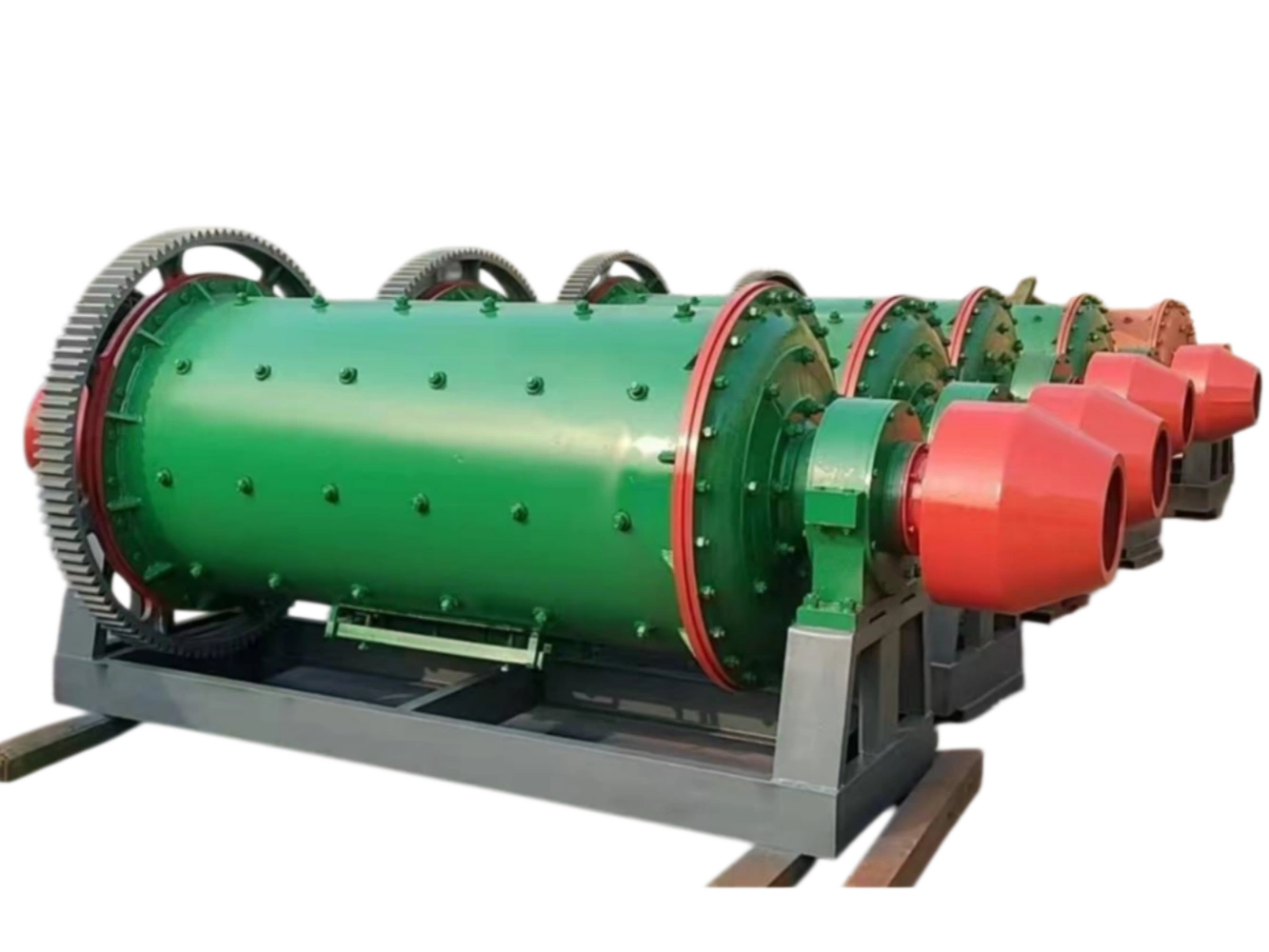
Ball mill for mining, Ball mill for cement plant, Industrial grinding ball mill, Heavy duty ball mill, Ball mill grinding equipment, Mineral processing ball mill, Custom ball mill machine, High efficiency ball mill
Related Products
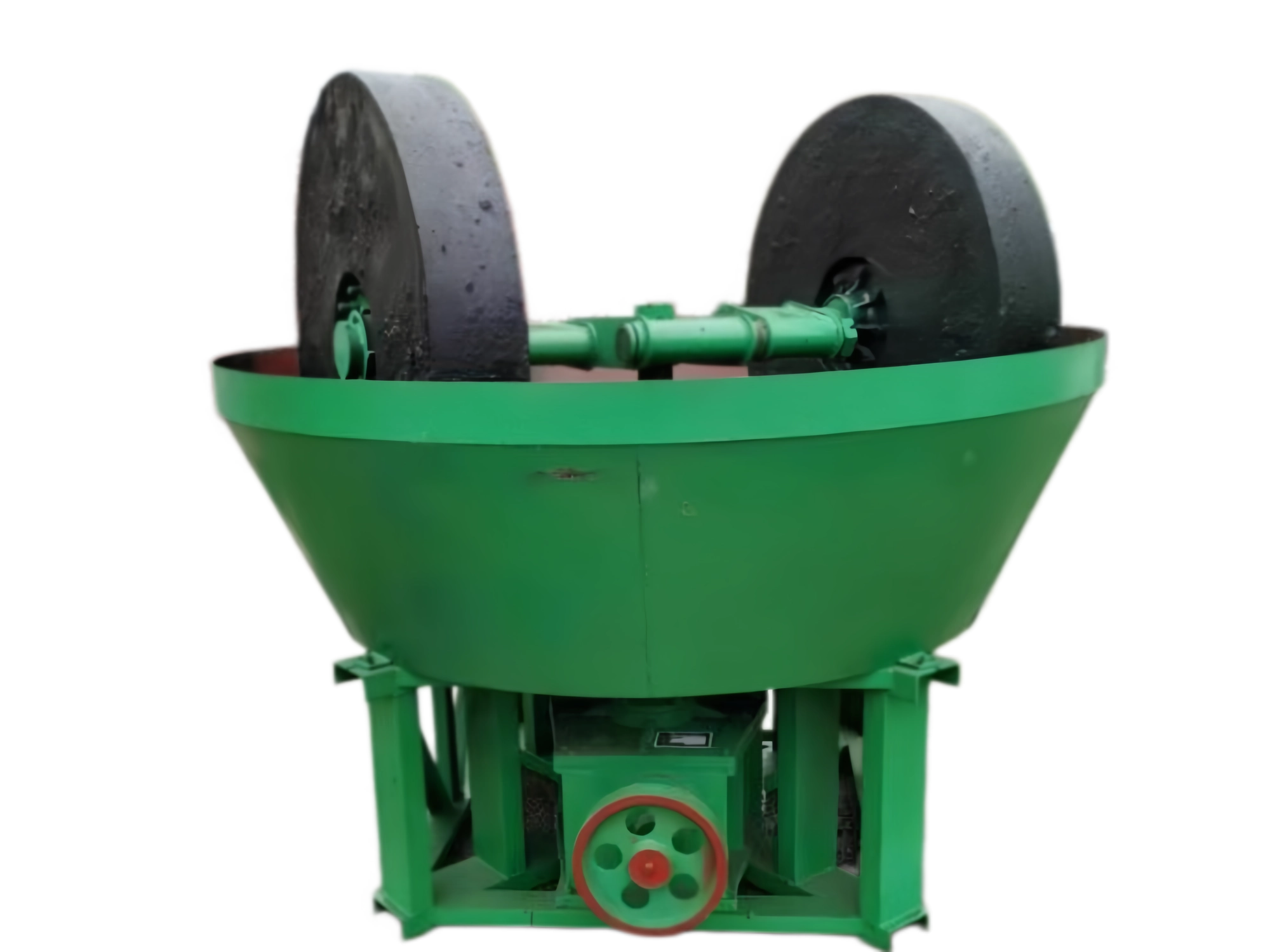
Our wet pan mill (wet disc mill) is a high-efficiency wet grinding machine designed for gold, silver, copper, iron, zinc and other metal ore processing. It combines crushing, grinding and mixing functions, widely used in small and medium-sized mineral processing plants. With low investment, low ener
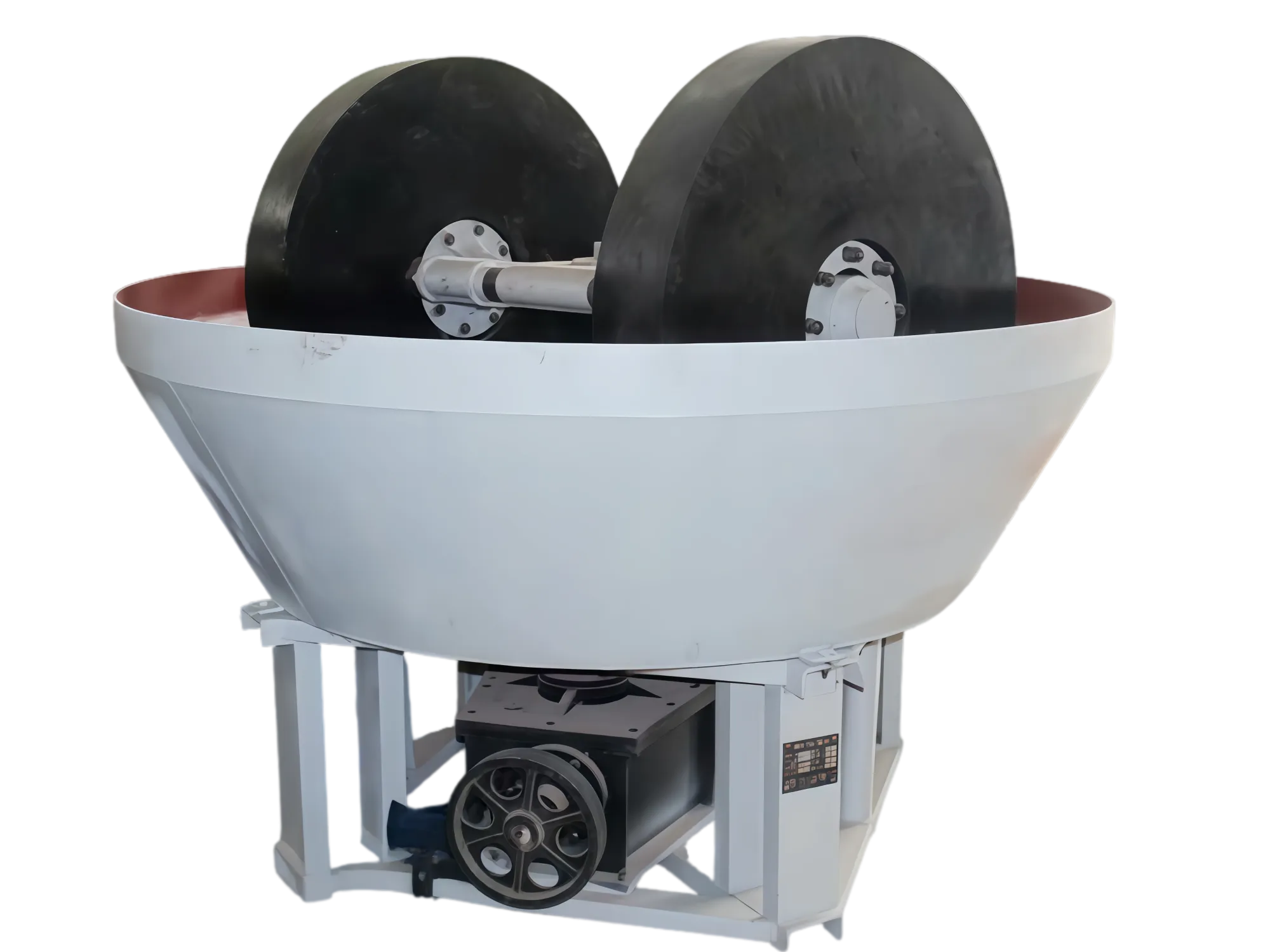
The 1400 Wet Pan Mill is a durable wet grinding machine customized for gold mineral processing. Equipped with high manganese steel rollers and pan, this mining equipment delivers stable performance with 10-15t/h processing capacity. Featuring low power consumption, simple operation and high gold rec
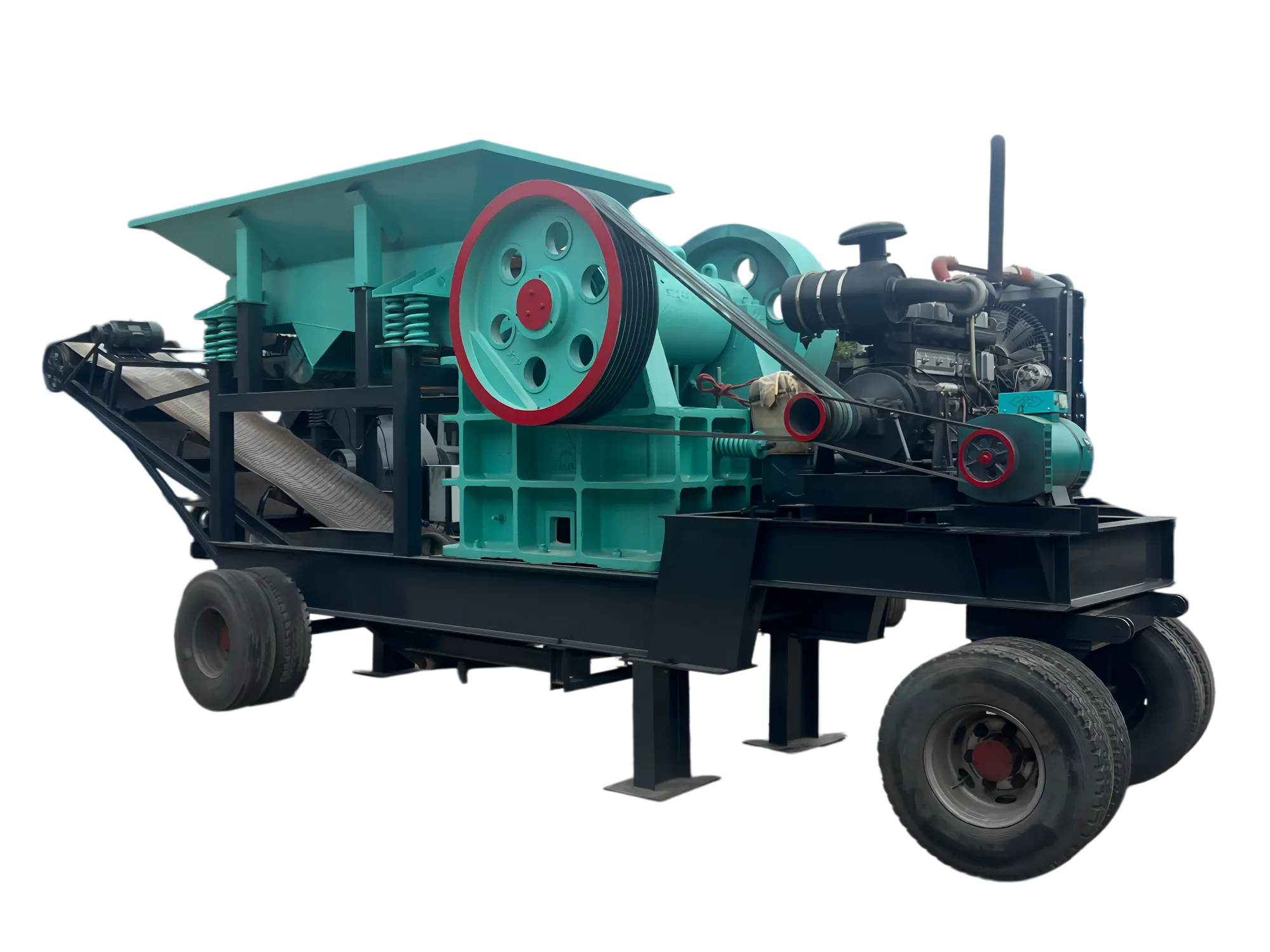
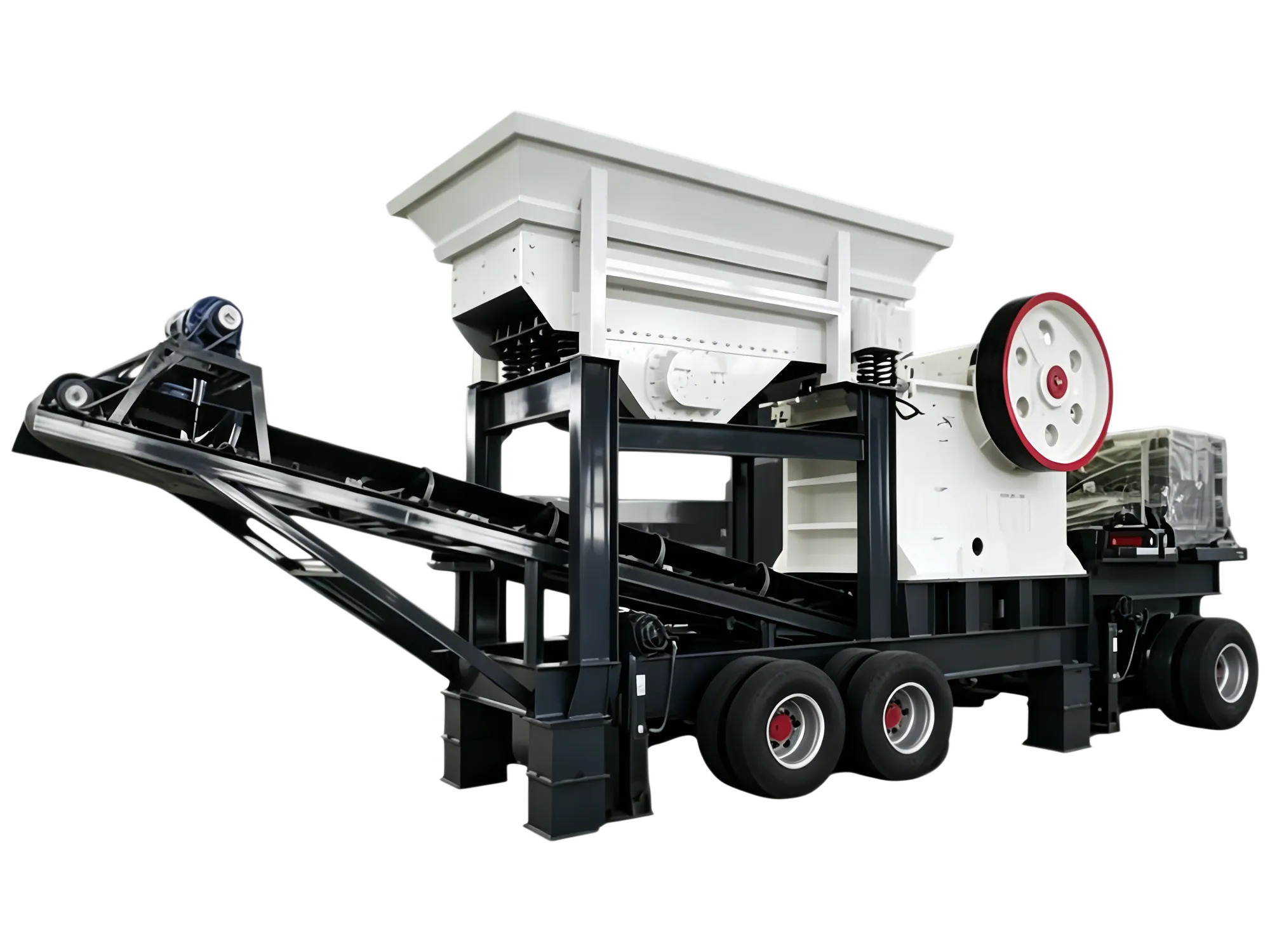
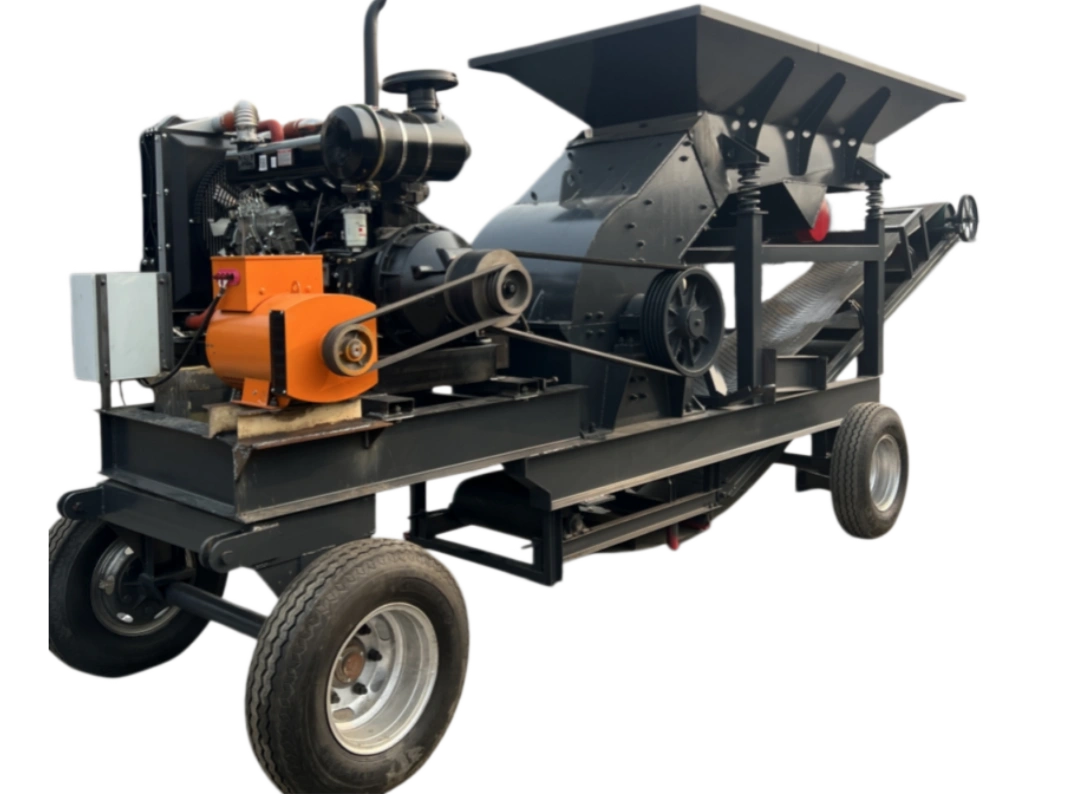
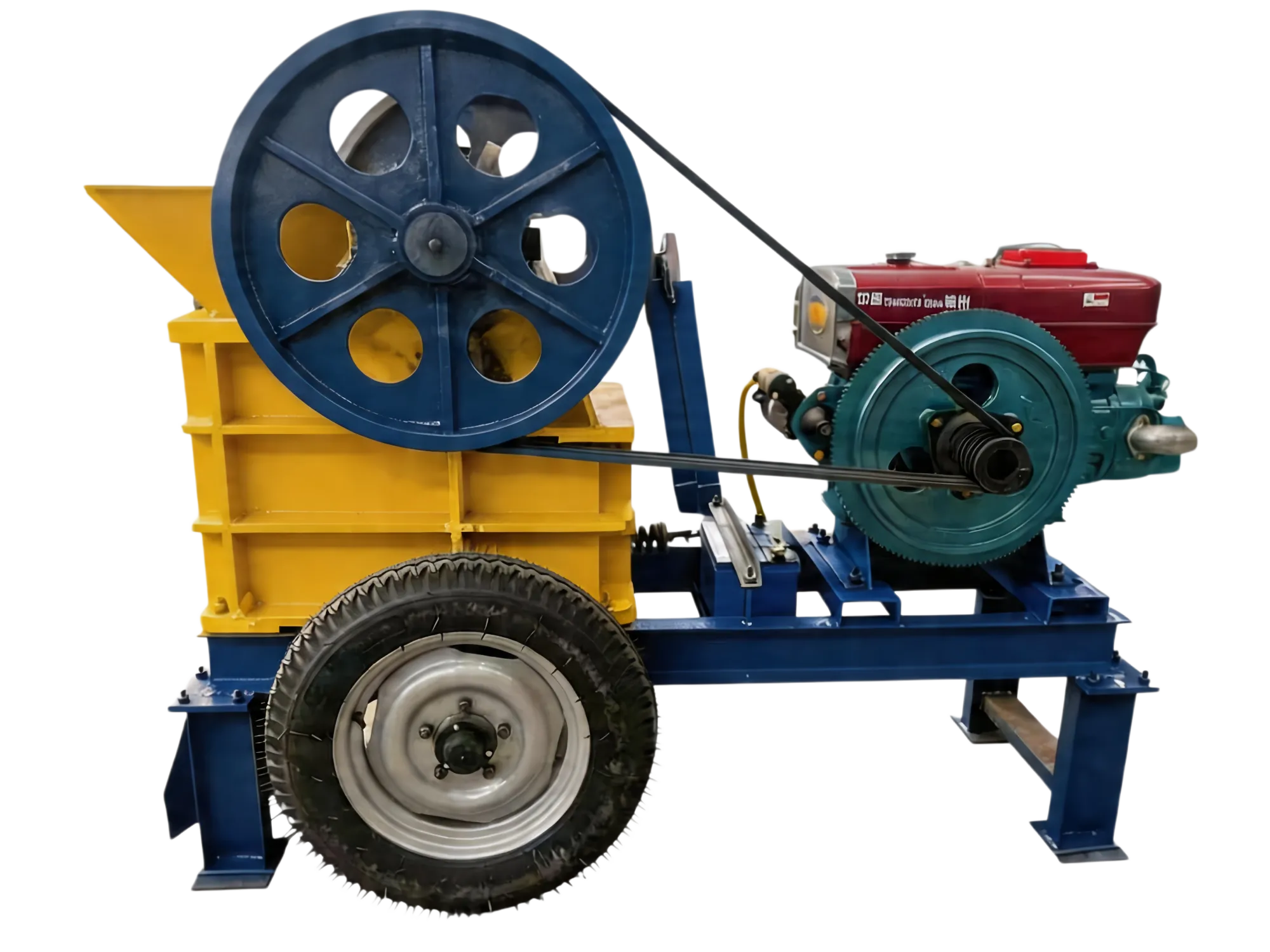
Mobile 500x750 diesel jaw crusher with 6105 engine, 80-100T/H output. 50*75cm feed inlet, easy-move, stable and durable for hard stone crushing.