Project Background
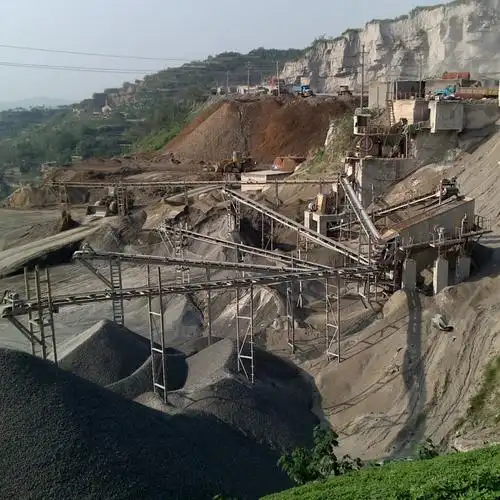
Located in the heart of Central Asia, Kazakhstan's construction and infrastructure sectors have experienced rapid growth over the past decade. This expansion has driven an immense demand for high-quality sand and gravel aggregates, the backbone of concrete, asphalt, and road base materials. A mid-sized aggregate production site in the Karaganda region sought to modernize its processing line to meet local and export requirements. The existing setup—comprising outdated equipment and manual sorting methods—was no longer capable of delivering the required tonnages and product consistency. The site’s management decided to invest in a new crushing and screening system, focusing on three critical machines: a Jaw Crusher for primary reduction, an Impact Crusher for secondary shaping, and a Vibrating Screen for precise classification. This case study examines how the integration of these machines transformed the production capacity, product quality, and profitability of the facility.
Challenges
The site faced several operational bottlenecks that hindered productivity and product quality. First, the raw material—a mixture of river gravel, granite, and limestone—contained oversized boulders up to 800 mm in diameter. The existing primary crusher frequently clogged and broke down, causing downtime of up to 15 hours per week. Second, the secondary crushing stage lacked the ability to produce cubical aggregates, resulting in flaky and elongated particles that failed to meet local road construction specifications. Third, the screening process relied on old vibrating screens with worn-out decks and inefficient motion, leading to high contamination levels and misclassification of sizes. Additionally, dust emissions and noise levels exceeded permissible limits, creating environmental and worker safety concerns. The site needed a solution that could handle abrasive feed material, reduce maintenance frequency, improve product shape, and achieve a consistent output of 0–5 mm, 5–20 mm, and 20–40 mm aggregates while meeting the region’s strict environmental standards.
Solution
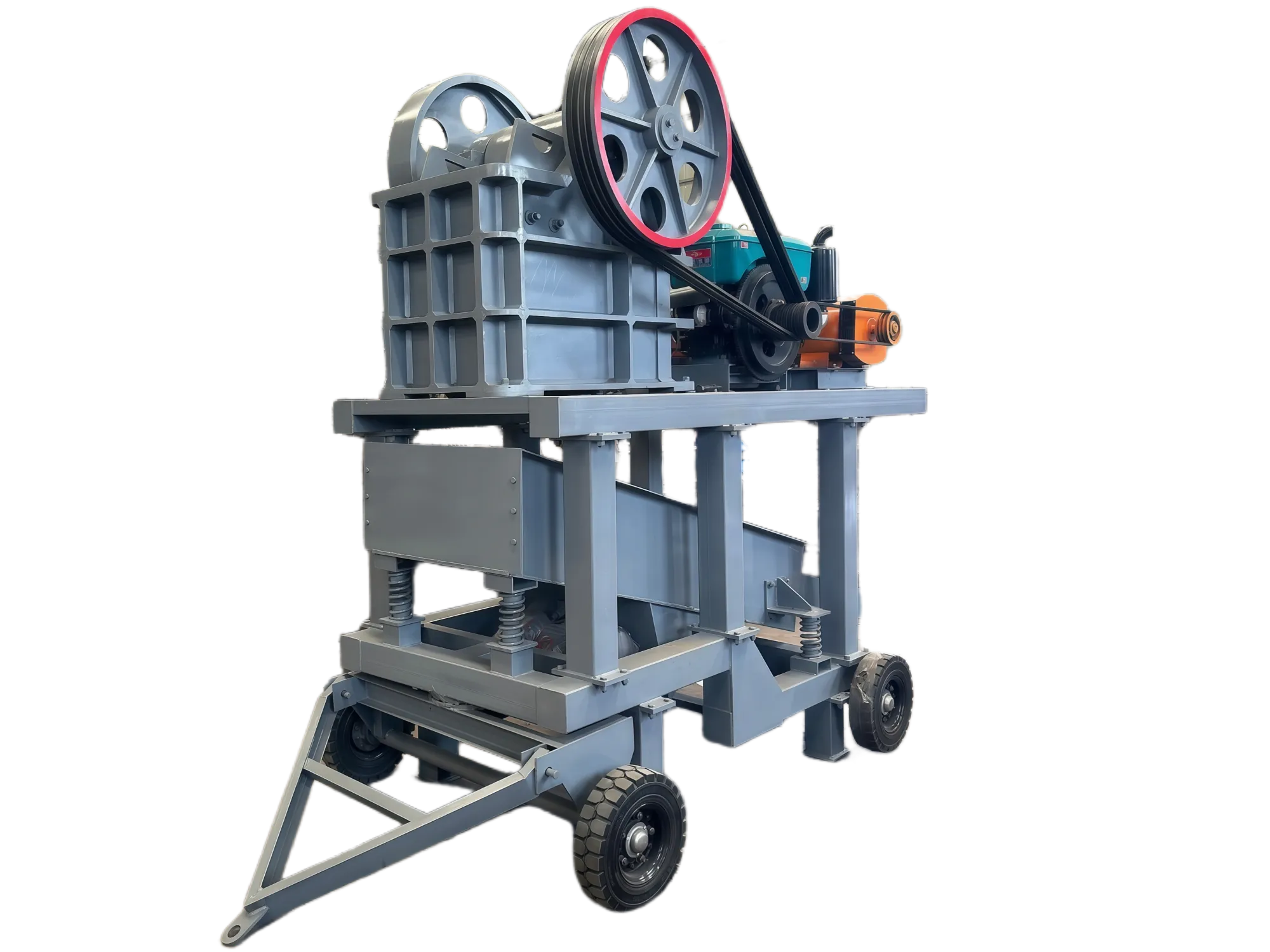
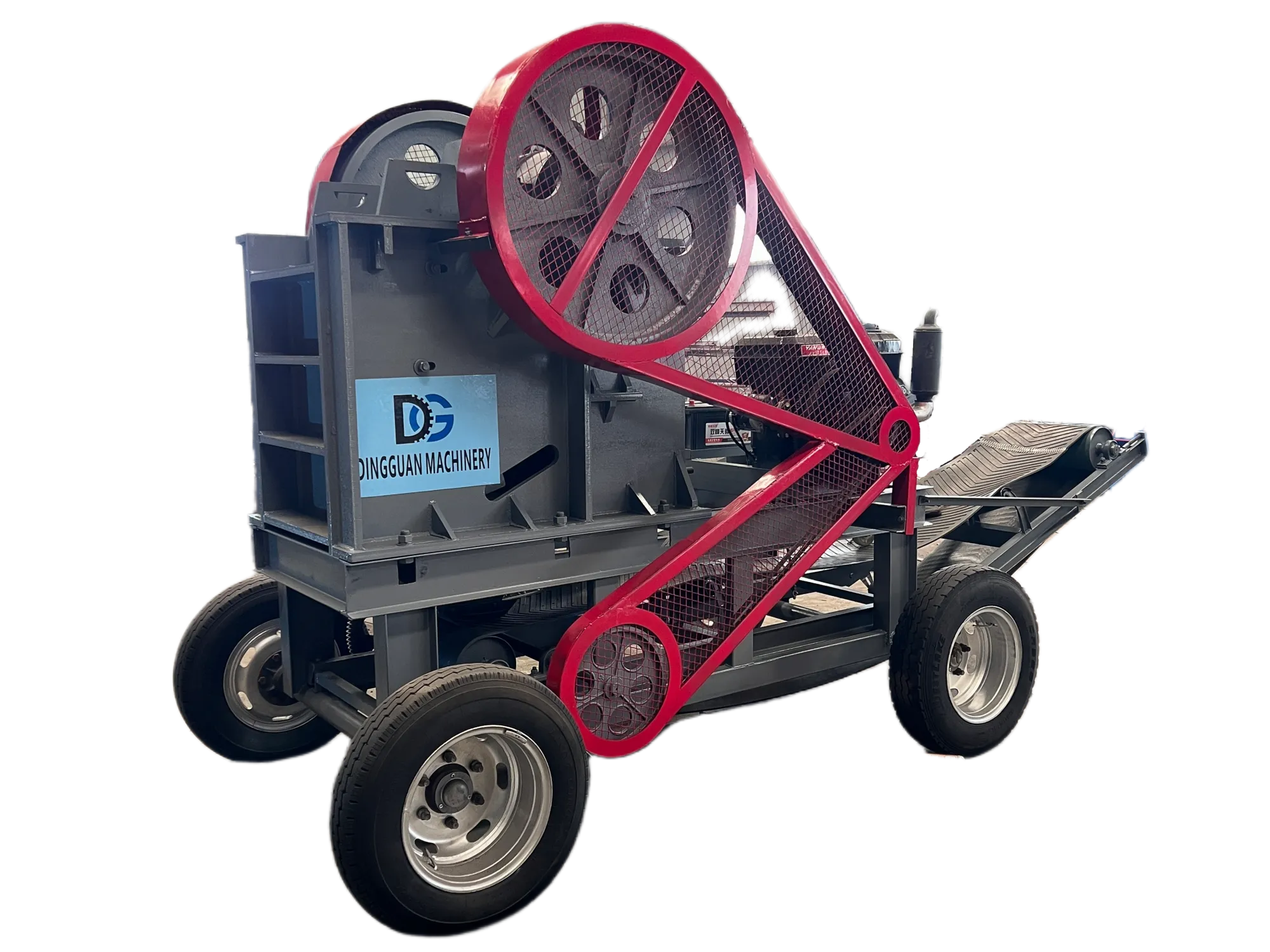
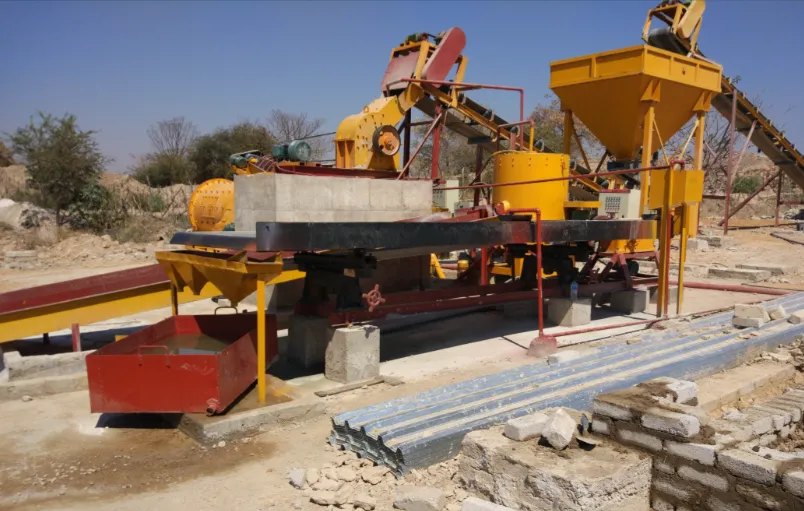
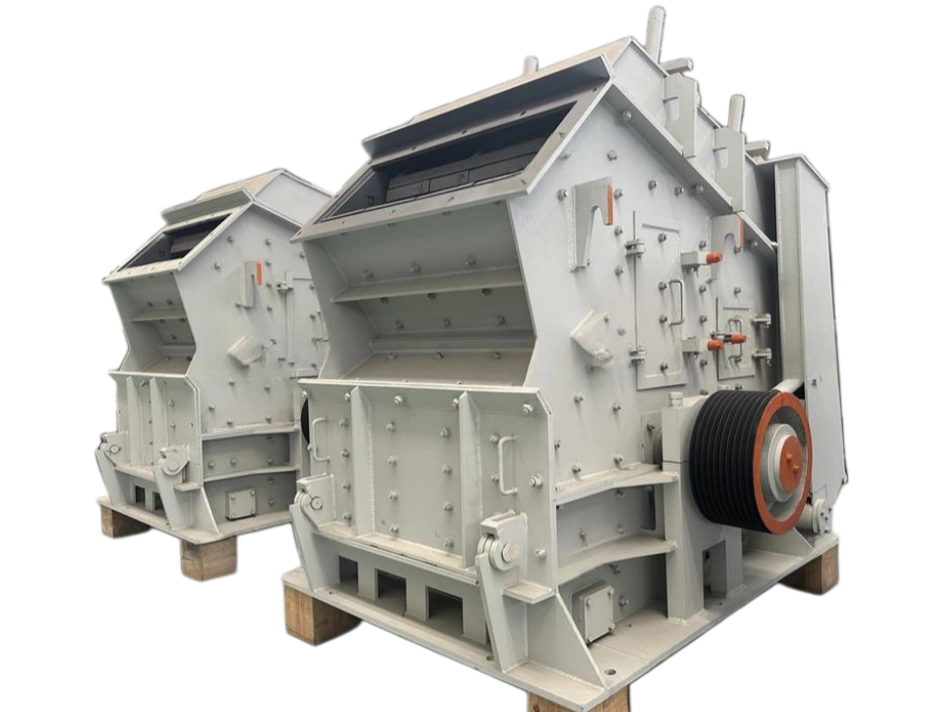
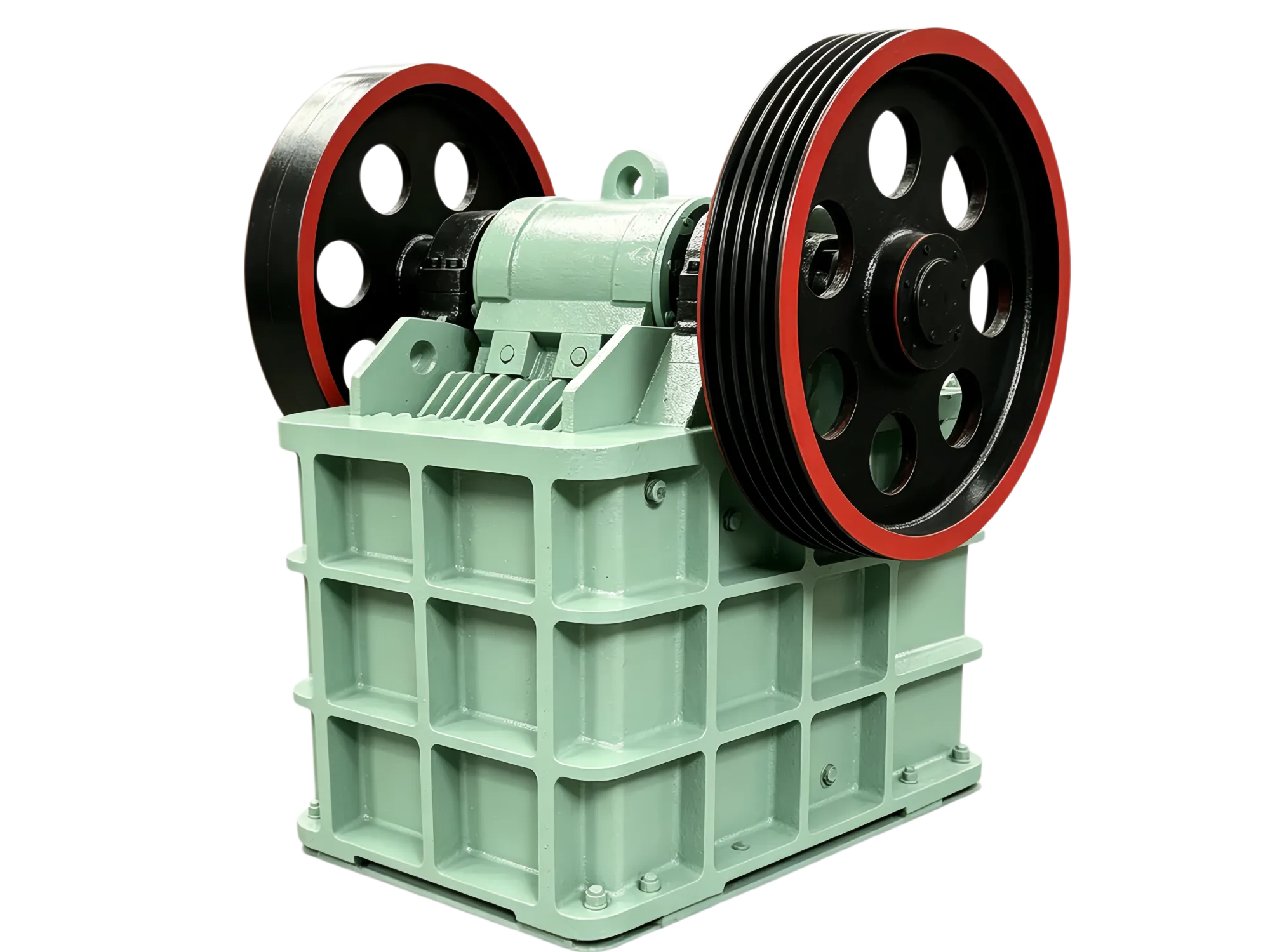
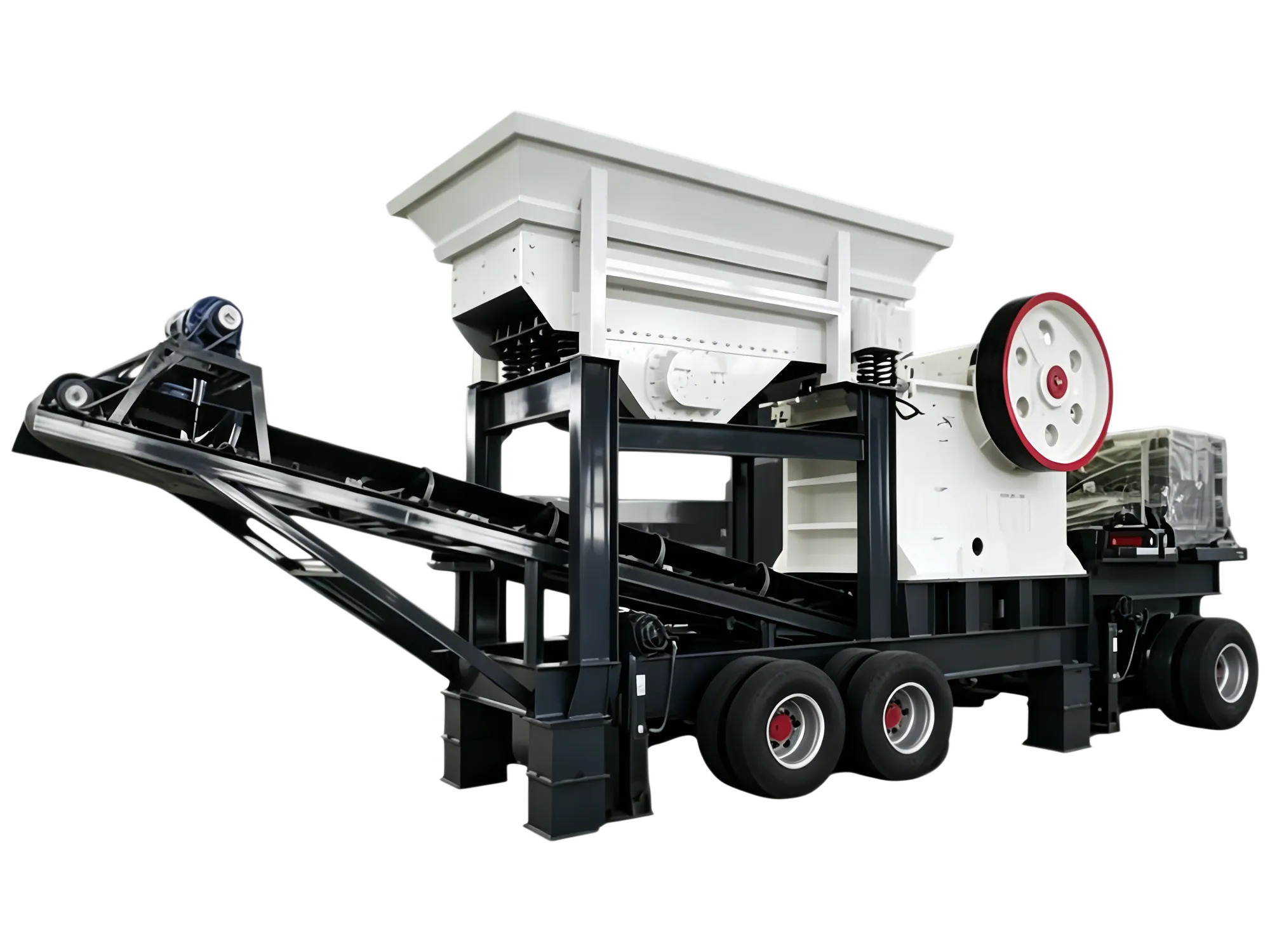
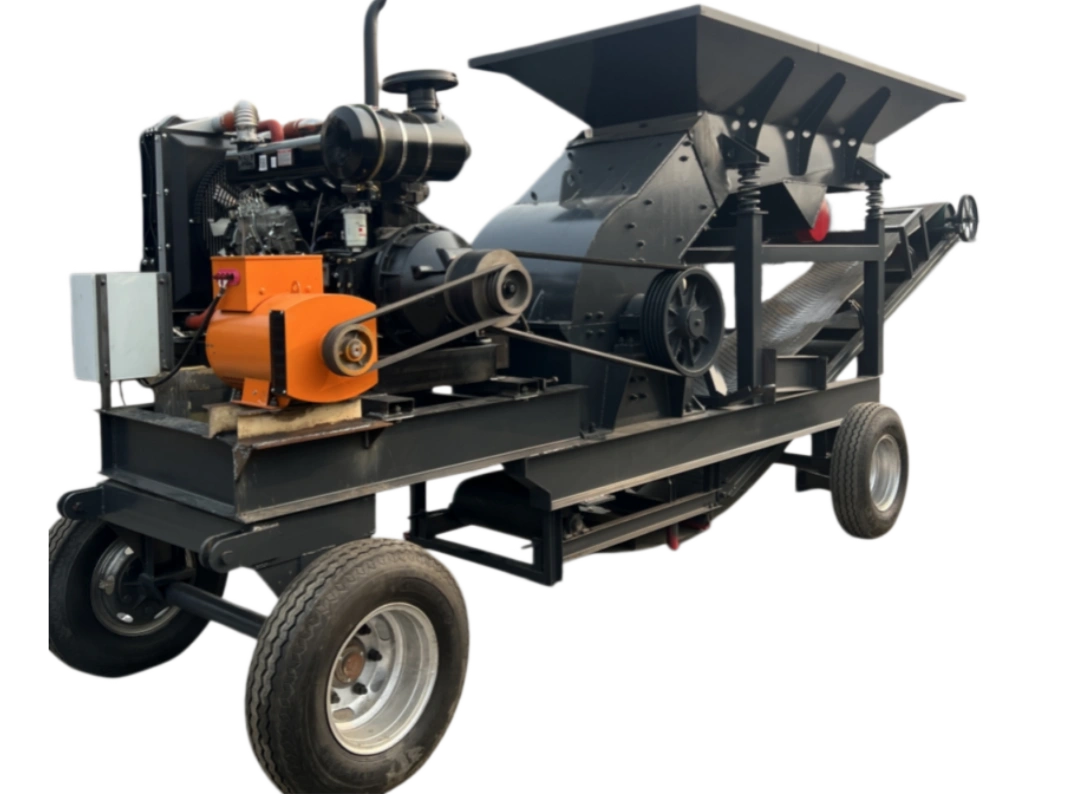
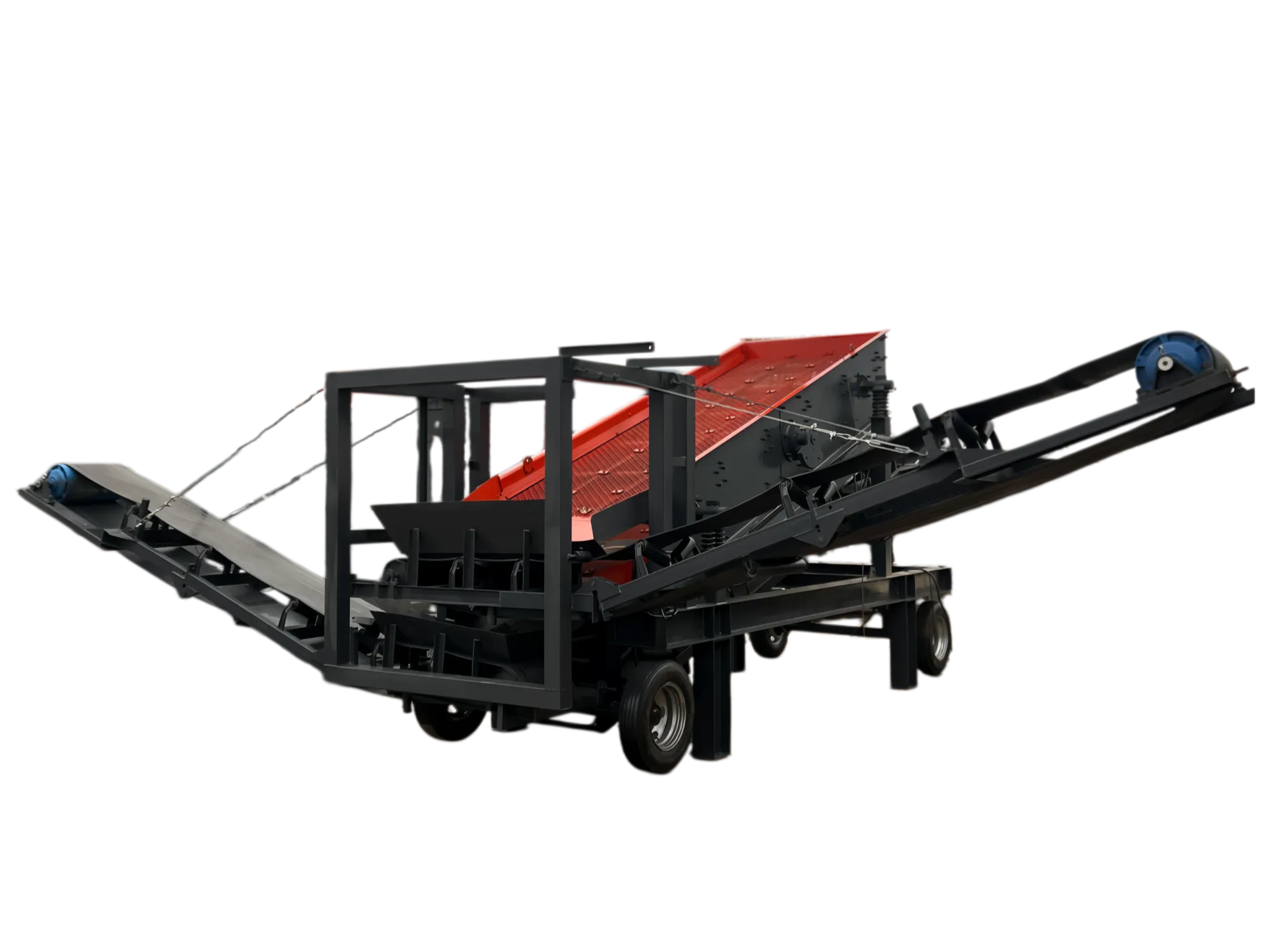
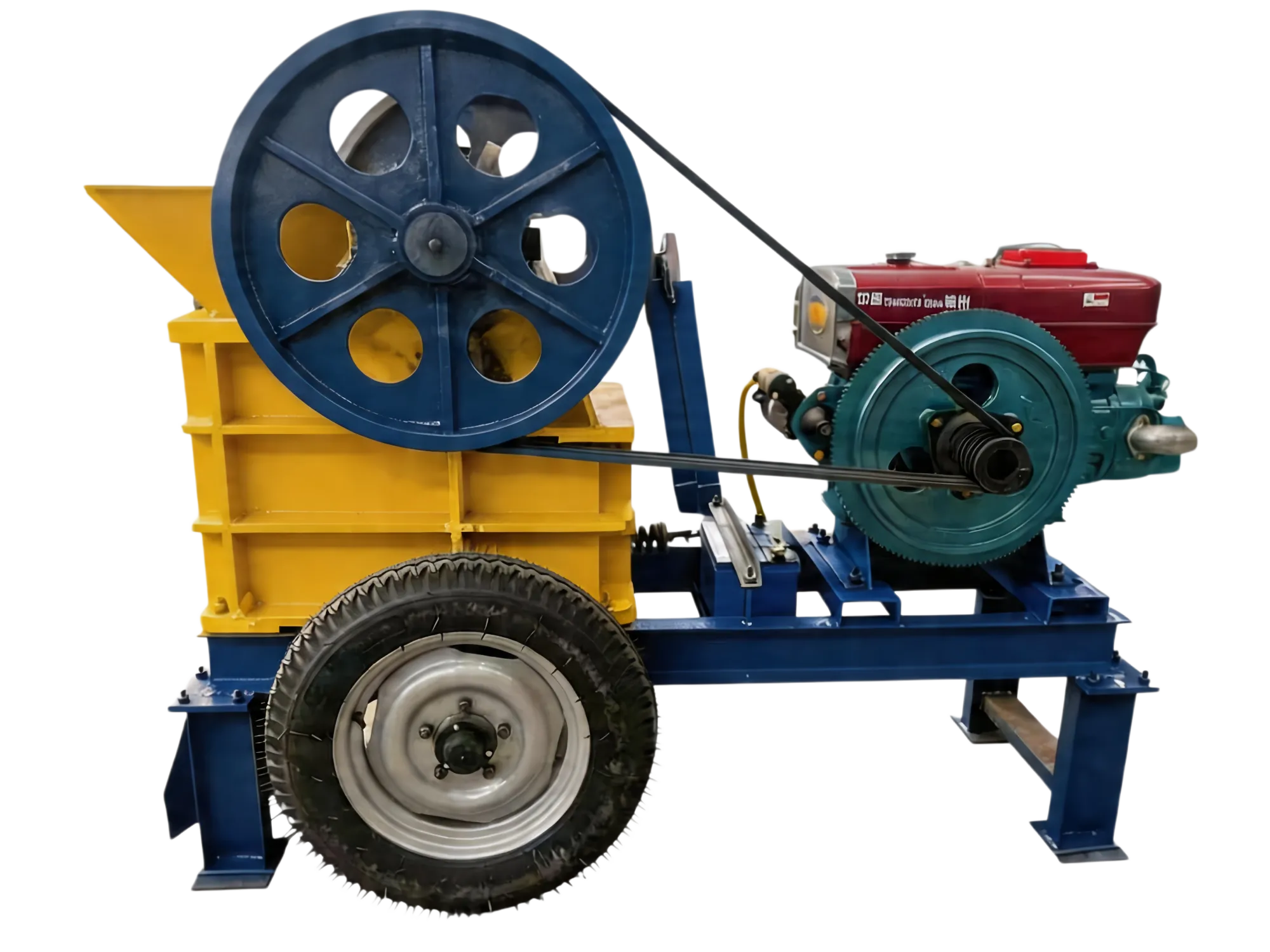
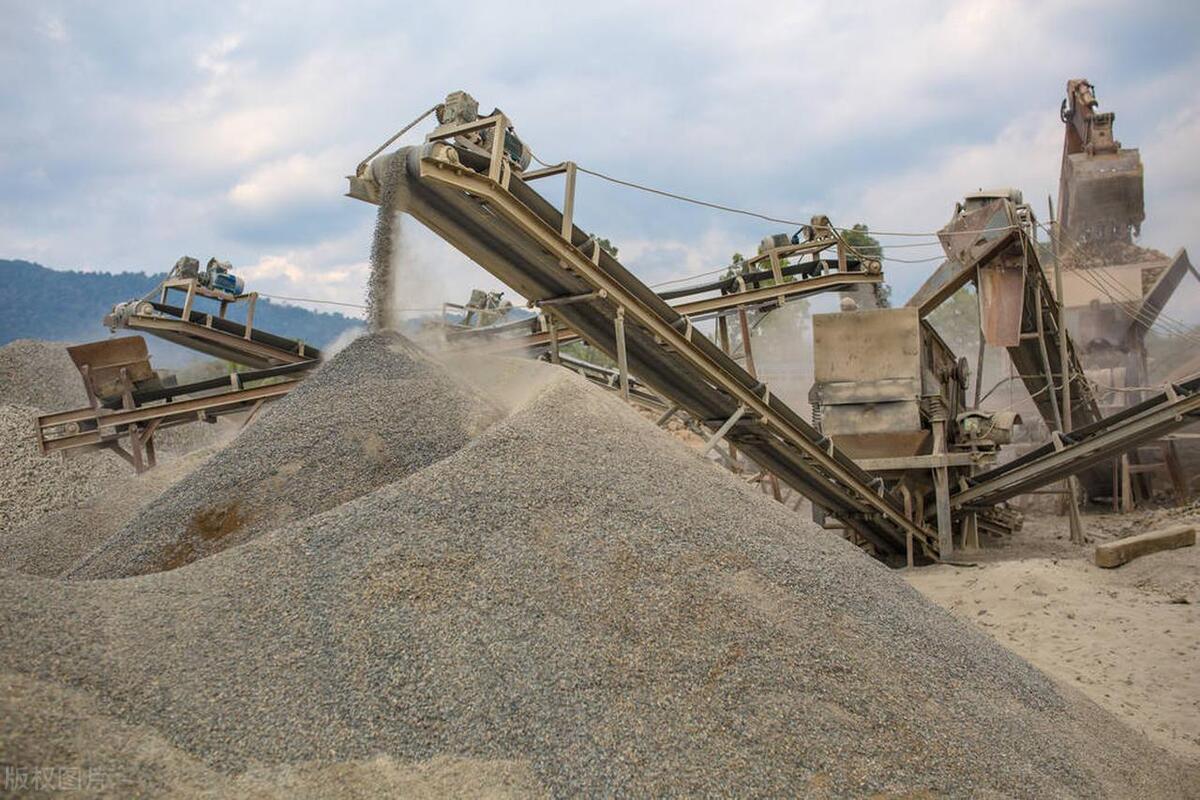
After thorough consultation with an experienced crushing and screening equipment supplier, the site decided to implement a three-stage processing line anchored by three key machines. The solution began with a robust Jaw Crusher (model PE-800×1060) with a feed opening of 800×1060 mm, capable of handling input sizes up to 720 mm and reducing them to 100–200 mm at a throughput of 150–250 tons per hour. The jaw crusher was selected for its high crushing ratio, durable wear parts, and ability to process hard, abrasive materials without frequent blockages. For the secondary stage, a Horizontal Impact Crusher (model PF-1315) was installed to crush the jaw crusher’s output further. The impact crusher provided excellent reduction (average 15:1) and produced a cubical, well-graded product essential for concrete and asphalt applications. Its adjustable blow bars and impact plates allowed the site to fine-tune product size distribution. Final classification was handled by two Vibrating Screens (model YK-1860), each with three decks. The screens utilized circular motion to achieve high screening efficiency (over 95%) and could handle 200–400 tons per hour. To mitigate dust, the screens were enclosed and fitted with water spray systems. The entire line was automated with a PLC control system, and regular maintenance procedures were established with spare parts inventory managed locally.
Equipment Used
- Jaw Crusher (PE-800×1060): Primary crushing of raw material (max feed size 720 mm; output 100–200 mm; capacity 150–250 t/h; power 90 kW).
- Impact Crusher (PF-1315): Secondary crushing for cubical aggregate (max feed size 300 mm; output 0–40 mm; capacity 160–250 t/h; rotor diameter × width 1300×1500 mm).
- Vibrating Screen (YK-1860): Two units for final classification (three decks: 5 mm, 20 mm, 40 mm; screen area 18.6 m² each; amplitude 8 mm; vibration frequency 970 rpm).
- Additional equipment: belt conveyors, electromagnetic feeders, dust suppression system, PLC control cabinet.
Results & Impact
The new processing line significantly improved the site’s performance. Daily production increased from 800 tons to over 1,800 tons, a 125% boost, meeting the growing demand from local road projects and the Nur-Sultan–Almaty highway expansion. The Jaw Crusher eliminated primary clogging issues, reducing downtime from 15 hours per week to under 2 hours. The Impact Crusher produced aggregates with a flakiness index of less than 10%, surpassing the national standard of 15%. This high-quality cubical material commanded a premium price, increasing revenue per ton by 12%. The Vibrating Screens achieved a classification accuracy of 97%, drastically reducing recirculation load and ensuring consistent product gradation. Dust emissions were cut by 80%, thanks to the enclosed screens and water spray, achieving full compliance with Kazakhstan’s environmental regulations. The total power consumption per ton of final product decreased by 11% due to optimized crushing and reduced recirculation. Maintenance intervals for the entire line extended to 2,500 operating hours, with wear parts cheaper and easier to replace than the previous equipment. Within 14 months, the site achieved a full return on investment. Employee safety improved, and operator training on the new automated controls reduced manual intervention. The successful implementation of this Jaw Crusher, Impact Crusher, and Vibrating Screen system serves as a replicable model for similar aggregate production sites in the region, demonstrating how modern equipment can deliver both economic and environmental benefits.