
How to Choose the Right Crusher for You
📝 Short Article Introduction
Choosing a proper crusher directly affects production efficiency and investment return. This guide covers key selection factors including material hardness, hourly output, power supply, mobility and machine types, helping global buyers pick ideal crushing equipment.
📌 Article Content
Introduction
Whether you run a quarry, small mineral mining project, road construction work or construction waste recycling business, selecting the correct crushing machine is critical. Unsuitable crushers lead to frequent blockage, low output, high fuel & power consumption and extra maintenance costs.
Many overseas buyers, especially investors in Africa, Southeast Asia and South America, face confusion when choosing between jaw crushers, hammer crushers and mobile crushing plants. This practical guide lists all core factors you need to consider before placing orders.
1. Confirm Hardness & Features of Raw Materials
Material hardness is the primary standard to decide crusher model.
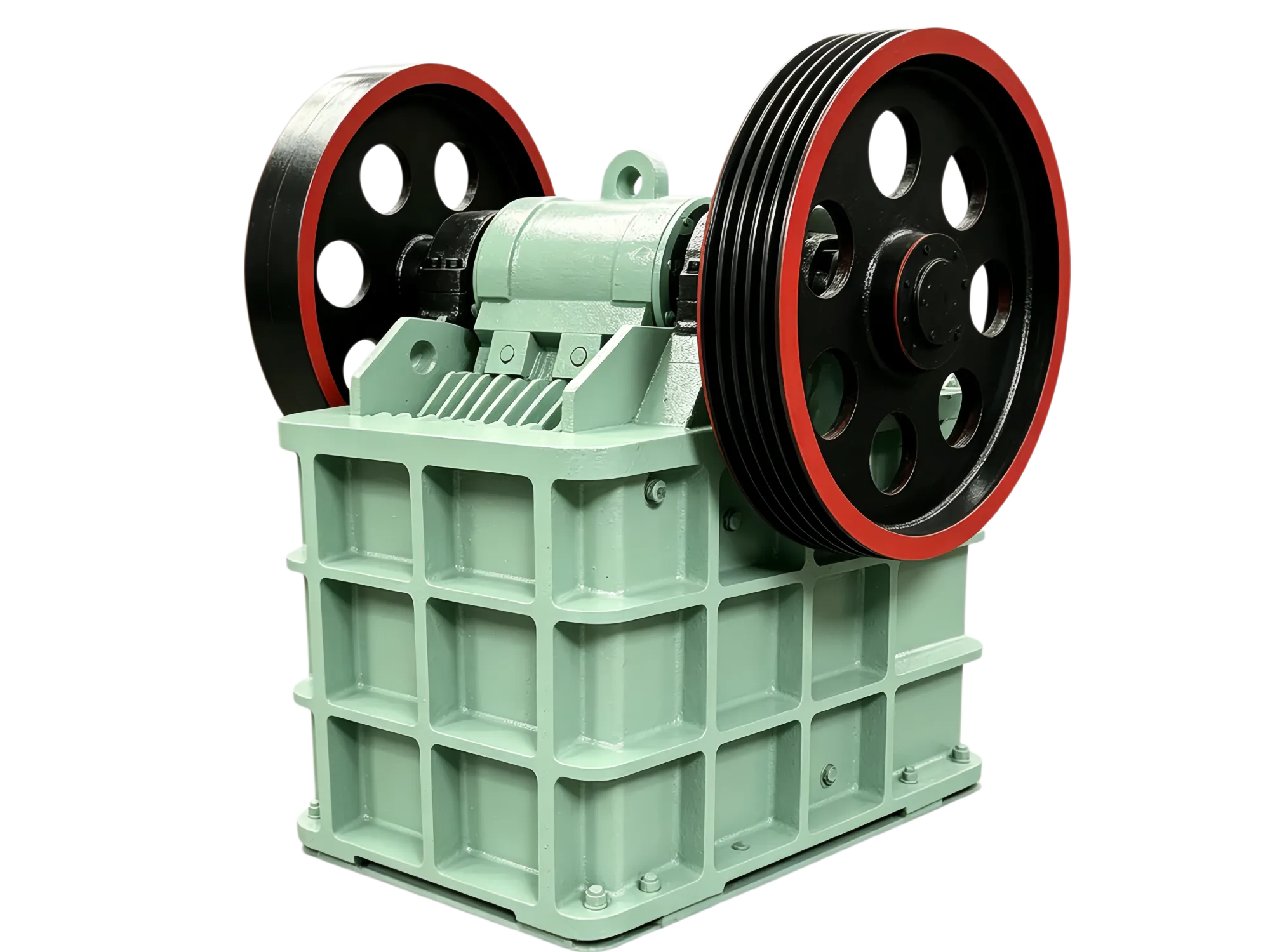
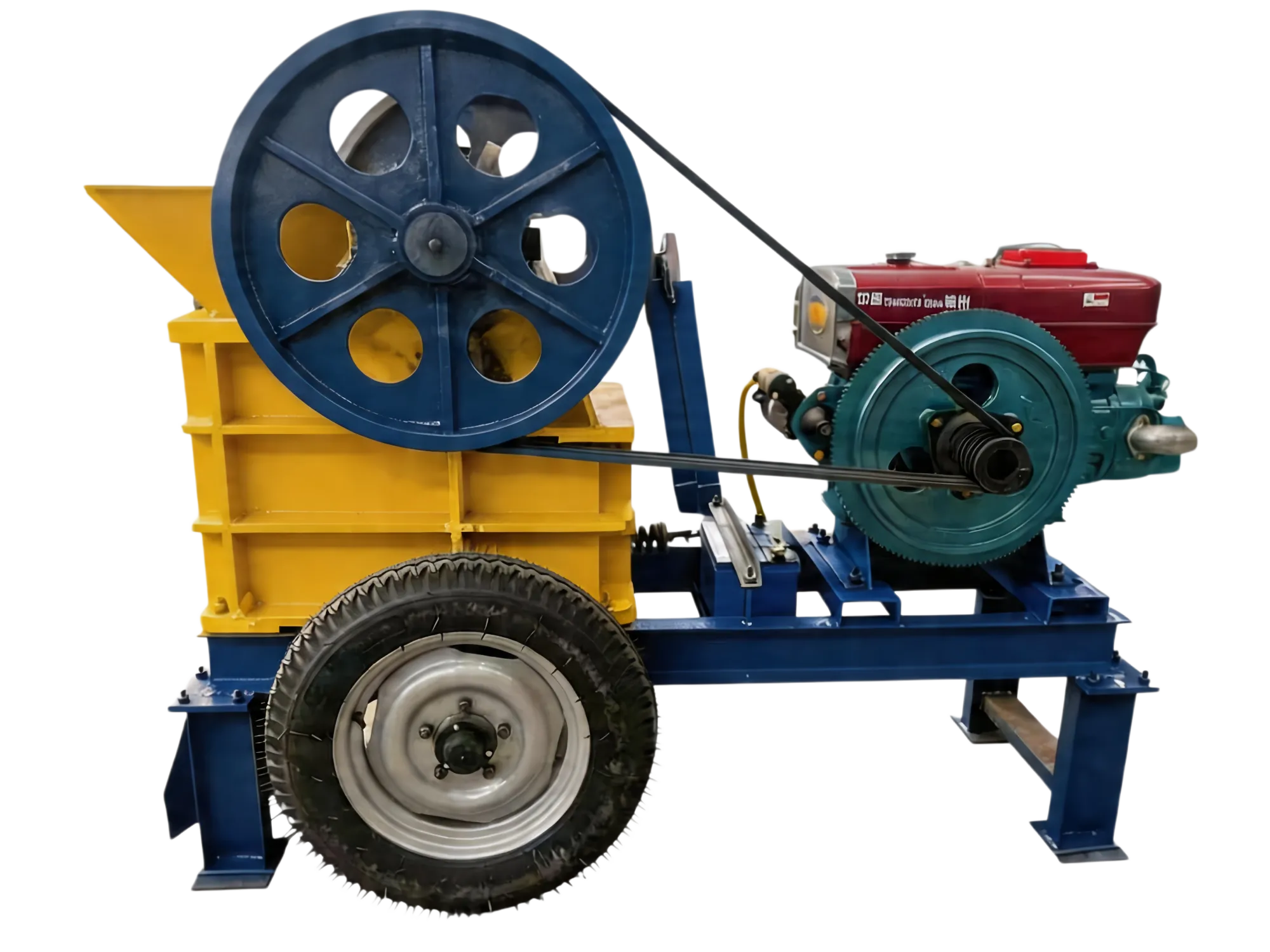
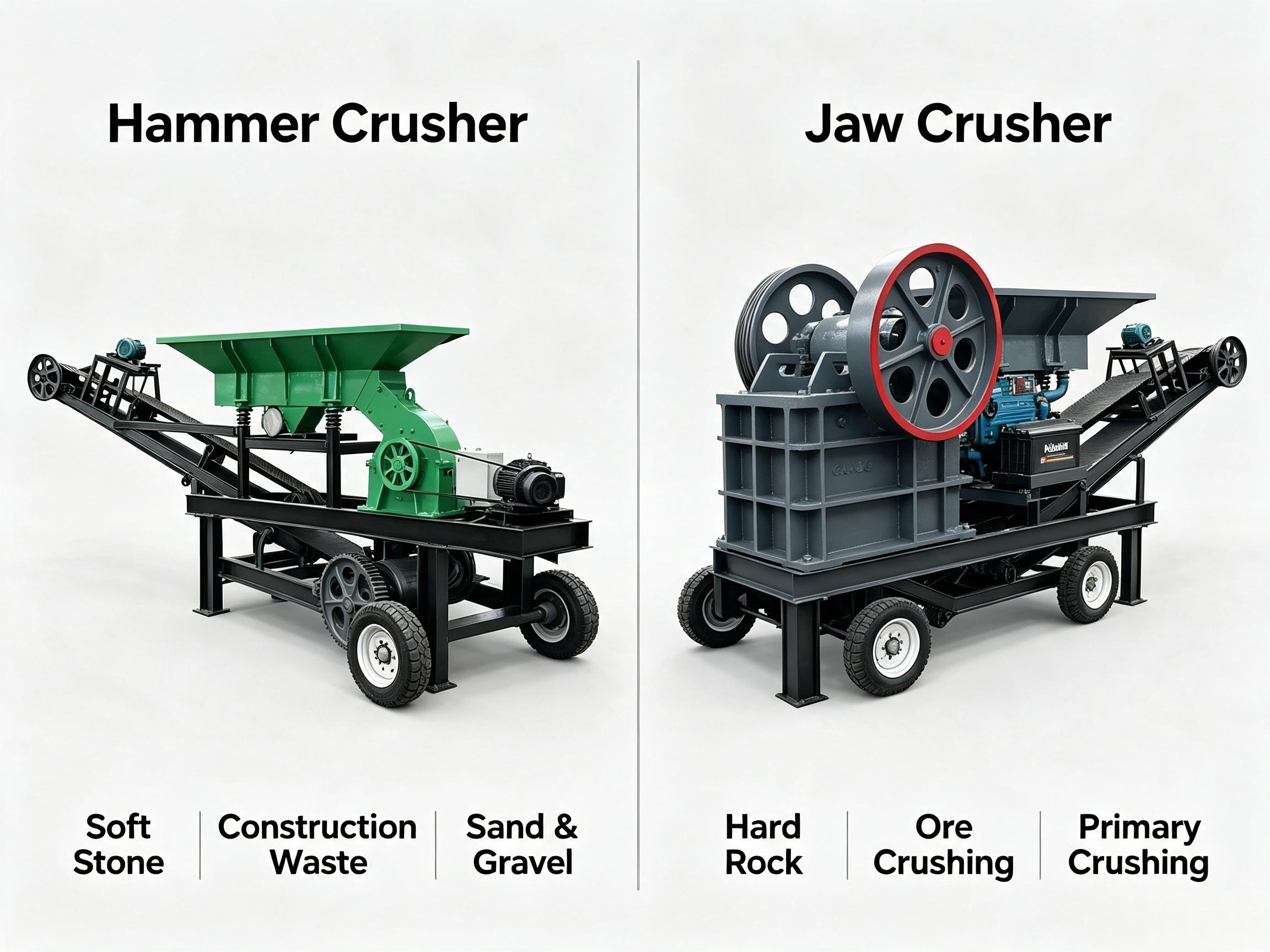
High-hardness stone & ore: Granite, basalt, quartz stone, iron ore, gold ore. Recommended: Jaw Crusher. Jaw crushers own strong extrusion force, perfect for coarse crushing hard rocks.
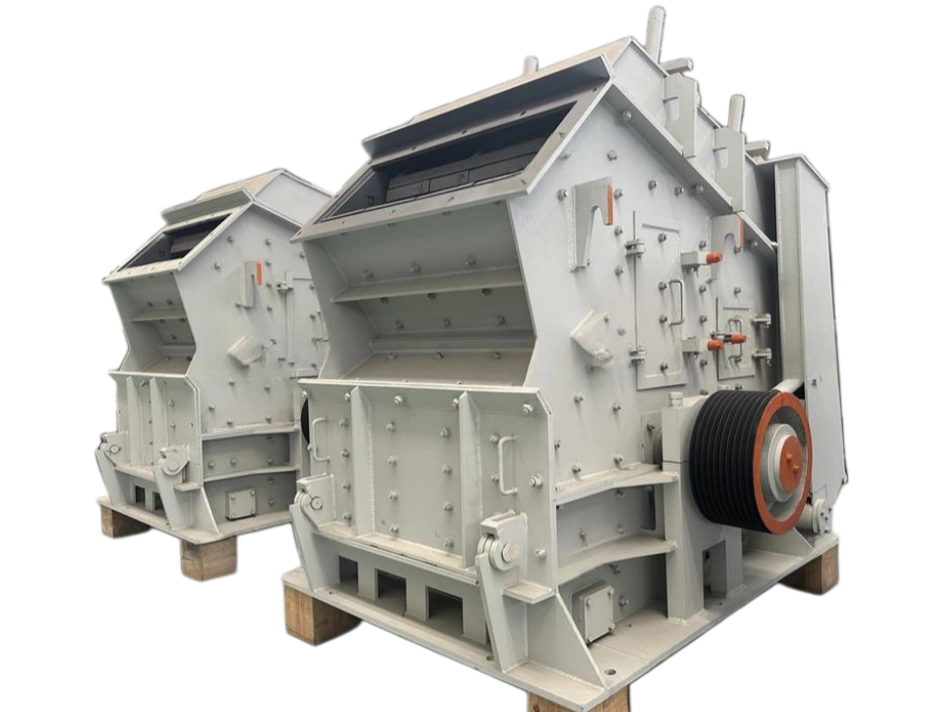
Medium & soft materials: Limestone, shale, construction waste, broken bricks. Recommended: Hammer Crusher. Lower investment, directly produce medium-fine gravel.
Special reminder: If raw material contains lots of mud, you need to add feeding screening equipment to avoid machine blocking.
2. Define Required Hourly Production Capacity
Clarify your target output (tons per hour):
Small projects: 10–30 T/H → 250×400 jaw crusher, small mobile hammer crusher
Medium projects: 30–80 T/H → 400×600 jaw crusher series
Large quarries & mines: 80–200 T/H → 500×750, 600×900 heavy-duty jaw crushing plant
Do not blindly pursue large-capacity machines. Excess capacity causes waste of investment; insufficient capacity restricts your whole production schedule.
3. Choose Power Type: Electric Motor or Diesel Engine
Check power conditions at your working site:
✅ Electric motor crusher: Suitable for sites with stable grid power. Lower running cost, less daily failure.
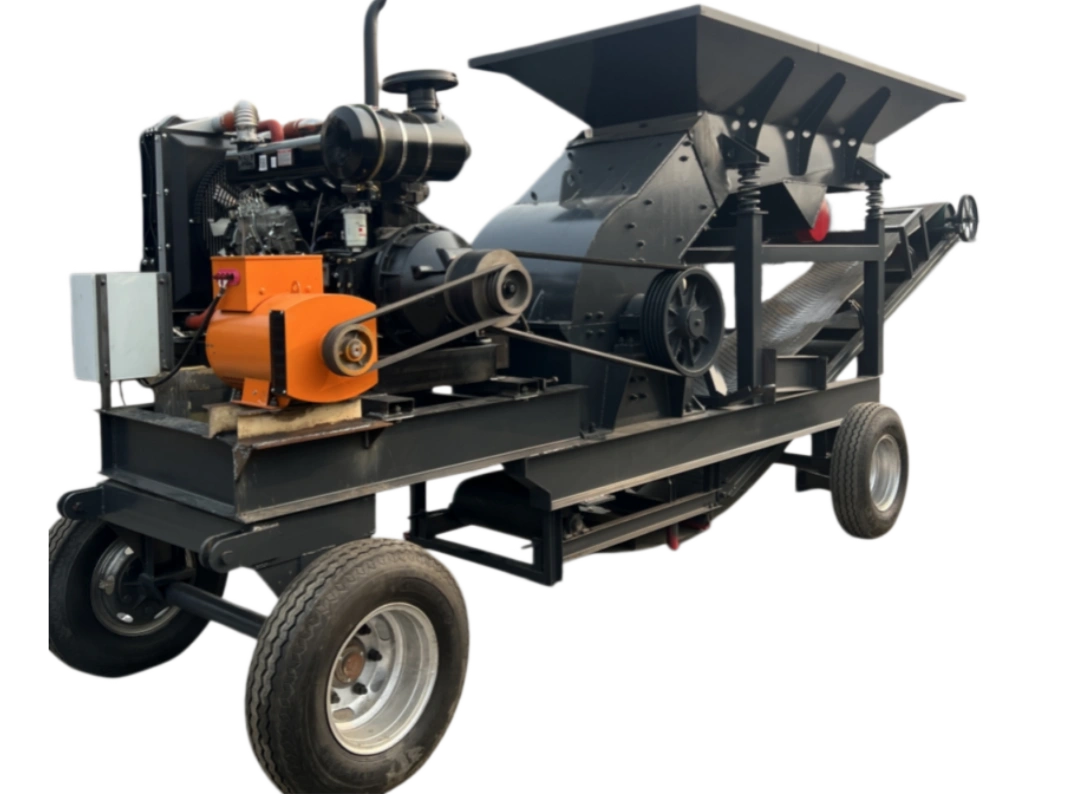
✅ Diesel-driven crusher: Ideal for remote mines, mountain areas, rural construction sites without electricity. Flexible to move and work off-grid, widely popular in African mining areas.
4. Decide: Fixed Crusher or Mobile Crusher
Fixed crushing unit: For permanent gravel yards with unchanged working location. Low equipment cost for long-term stable production.
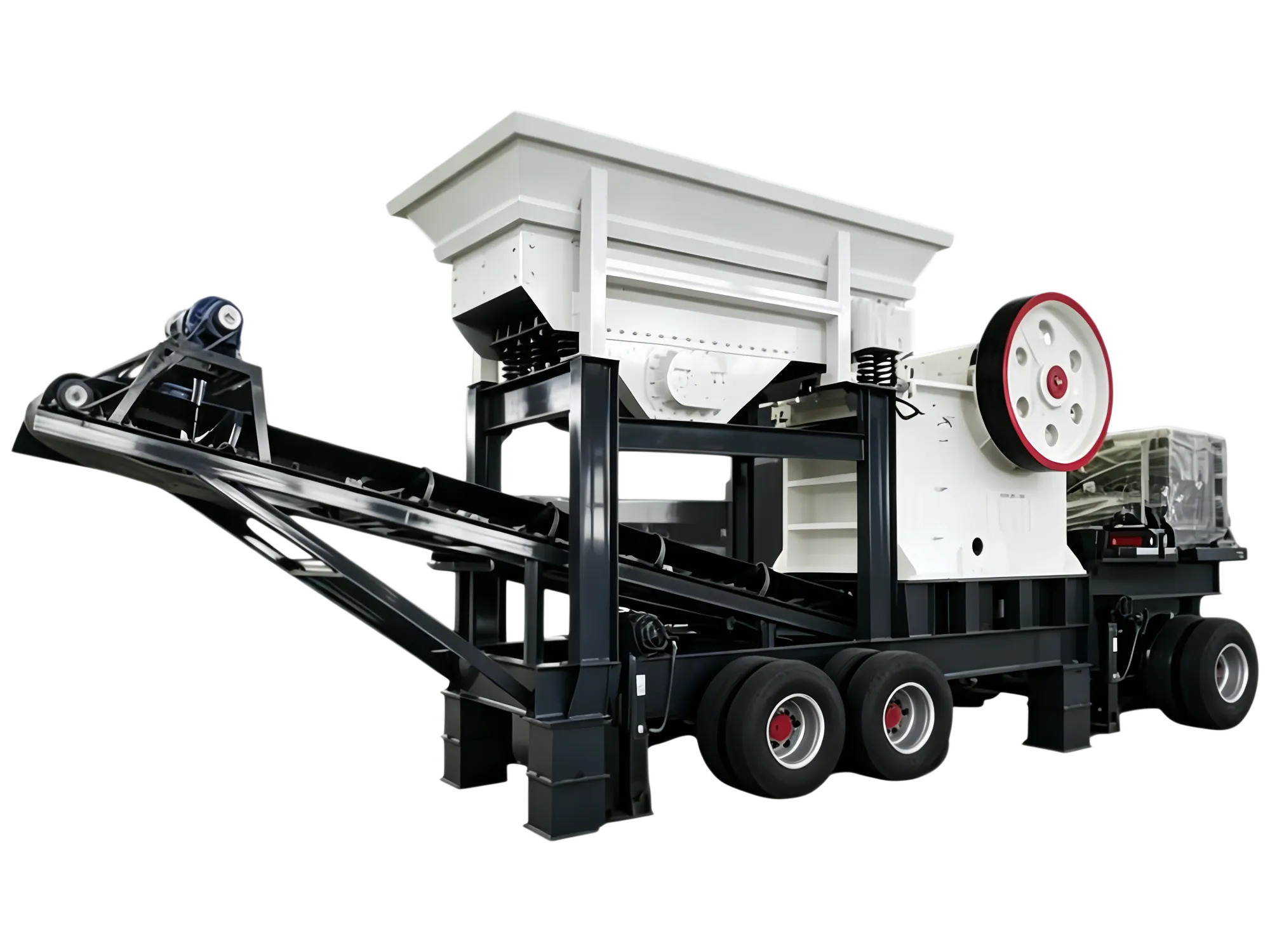
Mobile wheeled crusher: For frequent site transfer, temporary road projects, scattered small mining sites. No foundation installation, ready to work after transportation, save civil construction expense.
5. Confirm Required Feed Size & Finished Aggregate Size
Maximum feeding size: The raw stone dimension must match the crusher feed opening. Too big stones cause frequent blockage.
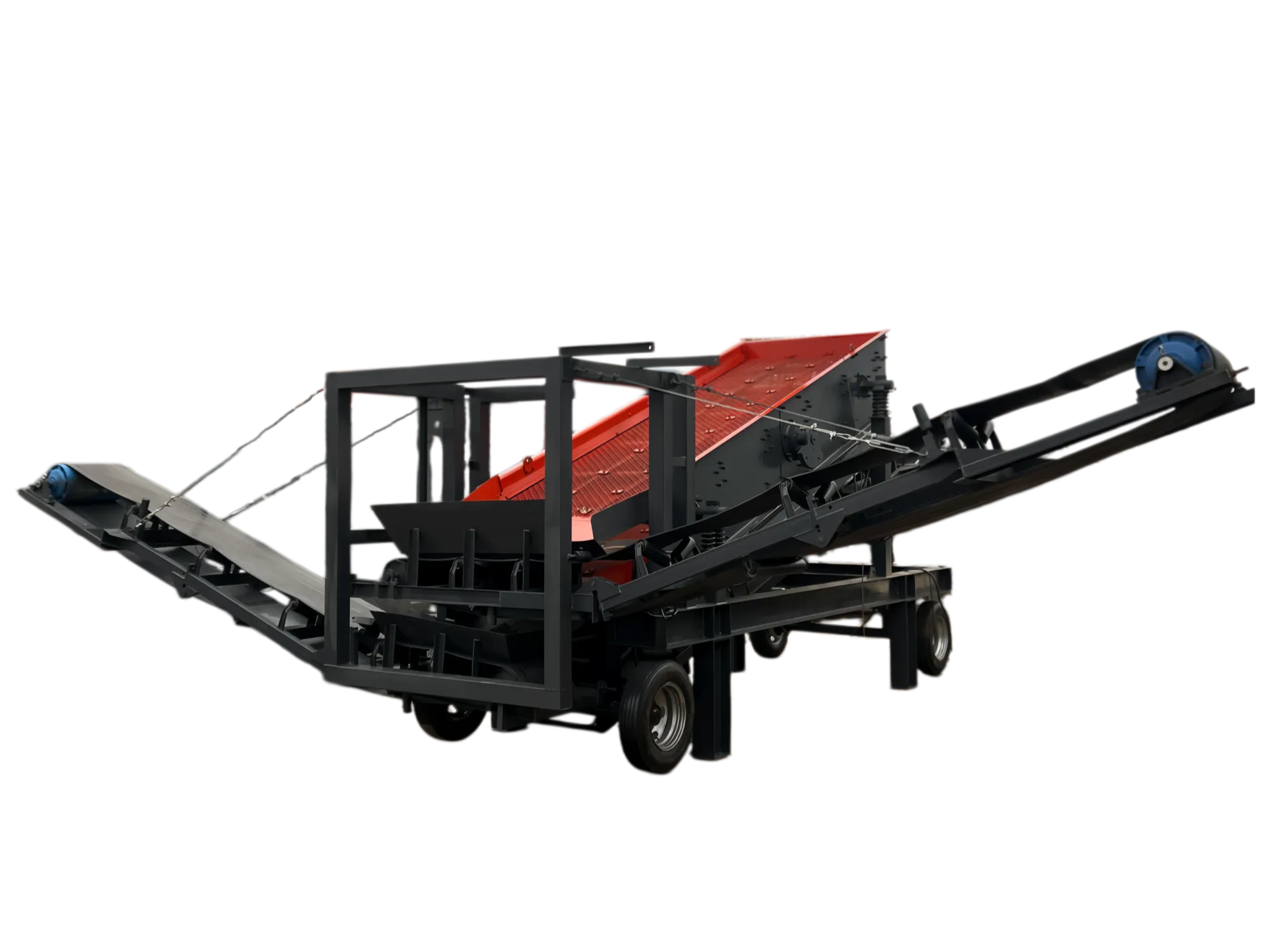
Target finished size: Adjust discharge gap to get different gravel specifications. If you need multiple aggregate sizes, you can add vibrating screens to the crushing line.
6. Check Supporting Configuration Demands
Think about your whole production workflow:
Do you need automatic feeding hopper?
Do you need discharge belt conveyor to save manual labor?
Do you need matched vibrating screen for material classification?
Complete integrated equipment reduces extra purchasing and installation work.
7. Compare Machine Quality, After-Sales & Spare Parts Supply
Prioritize equipment with thickened frame and high manganese steel wear parts (jaw plates, hammer heads) for longer service life.
Confirm whether the supplier can provide English operation manuals, remote technical support and stable long-term spare parts supply.
Avoid ultra-low-priced machines with thin steel plates, which bring high downtime losses in later operation.
📋 Quick Selection Reference Table
表格
Condition | Suggested Crusher Type |
|---|---|
Hard rock, primary coarse crushing | Jaw Crusher |
Soft stone, one-time shaping gravel | Hammer Crusher |
No local power supply | Diesel Power Crusher |
Frequent site relocation | Wheeled Mobile Crusher |
Small-scale 10-30T/H project | 220×350 / 250×400 Crusher |
Medium quarry 30-80T/H | 400×600 Jaw Crusher |
🎯 Final Tips
Communicate fully with your equipment supplier. Share these information: raw material type, max stone size, required hourly output, finished gravel demand, site power condition and whether you need mobility. Reliable manufacturers can offer customized crushing solutions instead of simply recommending universal models.
If you are engaged in gold mining, aggregate processing or construction waste recycling in overseas regions, you can send your project parameters to us for professional crusher matching suggestions.
🚩 Related Crushing Equipment We Supply
Mobile diesel jaw crusher, electric jaw crusher, mobile hammer crusher, integrated crushing plant with feeder and conveyor, supporting vibrating screen and spare wear parts.
how to choose stone crusher,stone crusher buying guide,jaw crusher vs hammer crusher,mobile crushing machine selection,quarry crusher selection tips,small mining crusher recommendation,hard rock crushing equipment guide
Related Products
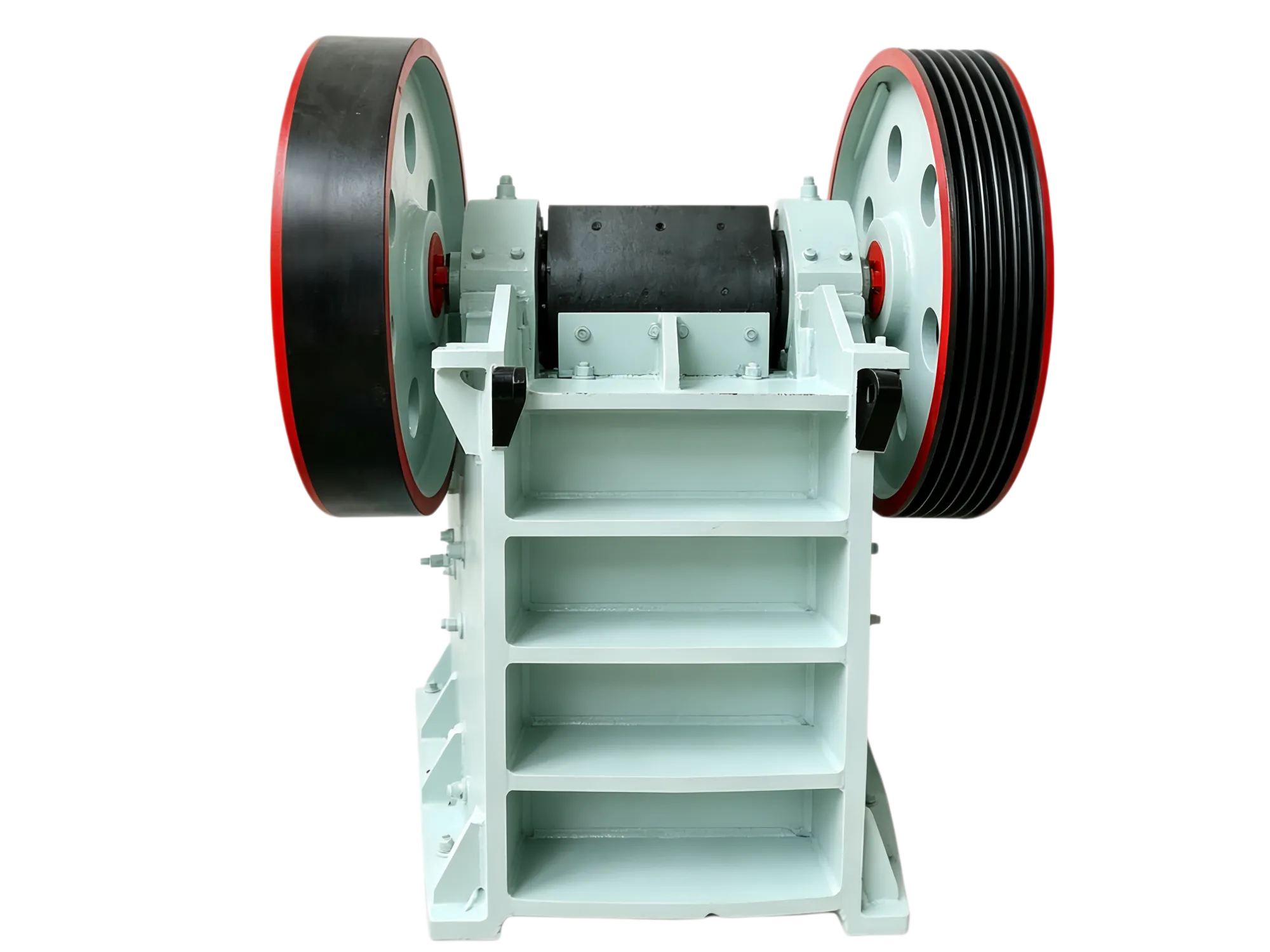
PE500*750 jaw crusher (57 jaw crusher) is a high-efficiency primary crusher for small & medium mines. Feeding port 500×750mm, max feeding size ≤425mm, 55KW motor, 40-110 T/H capacity. It crushes medium-hard materials smoothly, with adjustable discharge port (50-100mm), high efficiency and low blocki
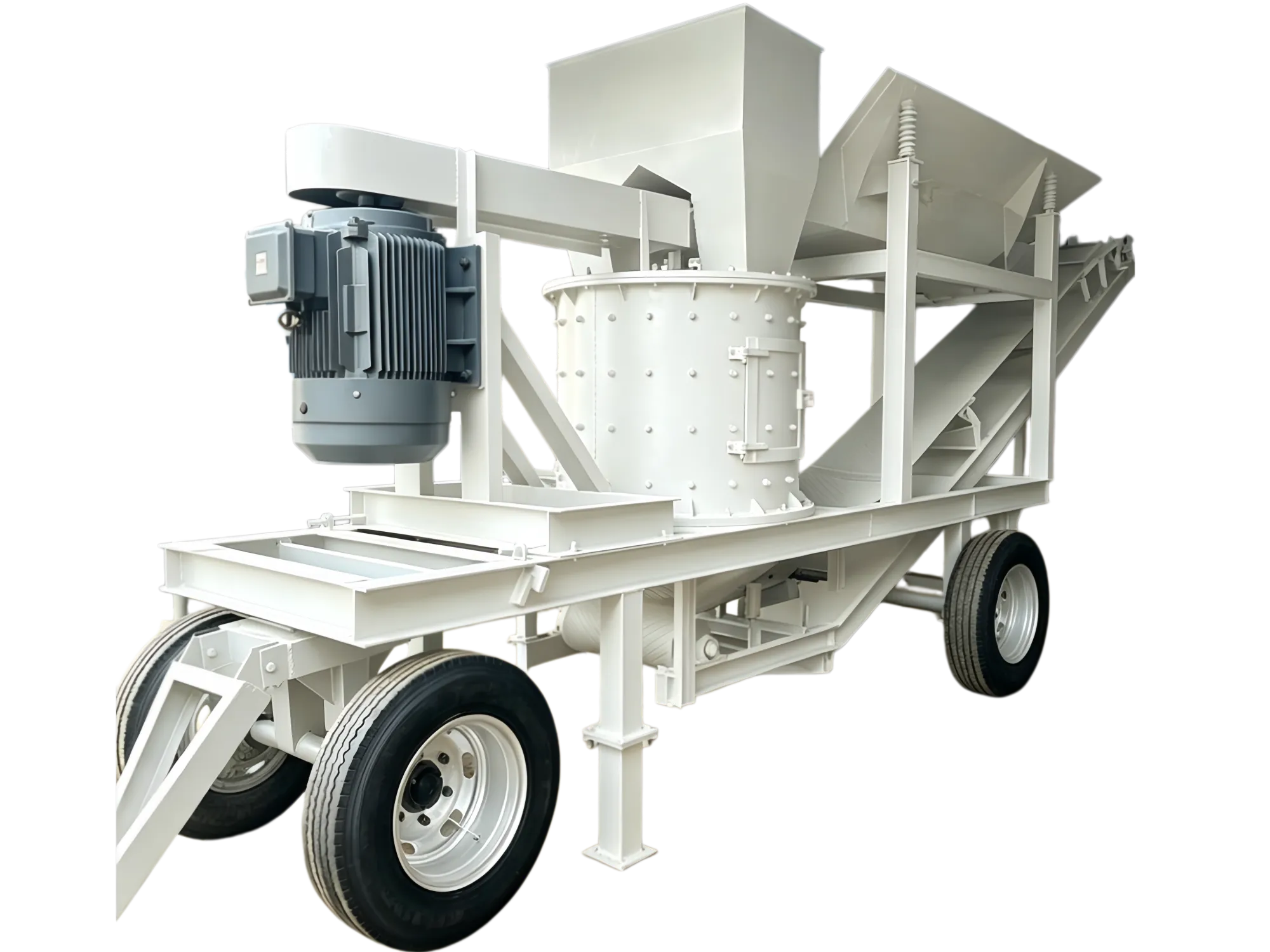
The 1000 Type Vertical Crusher is a modern fine crushing and coarse grinding machine integrated with advanced global crushing technologies, combining the strengths of impact and hammer crushers. Adopting a no-screen bottom design, it crushes both dry and wet materials without clogging.
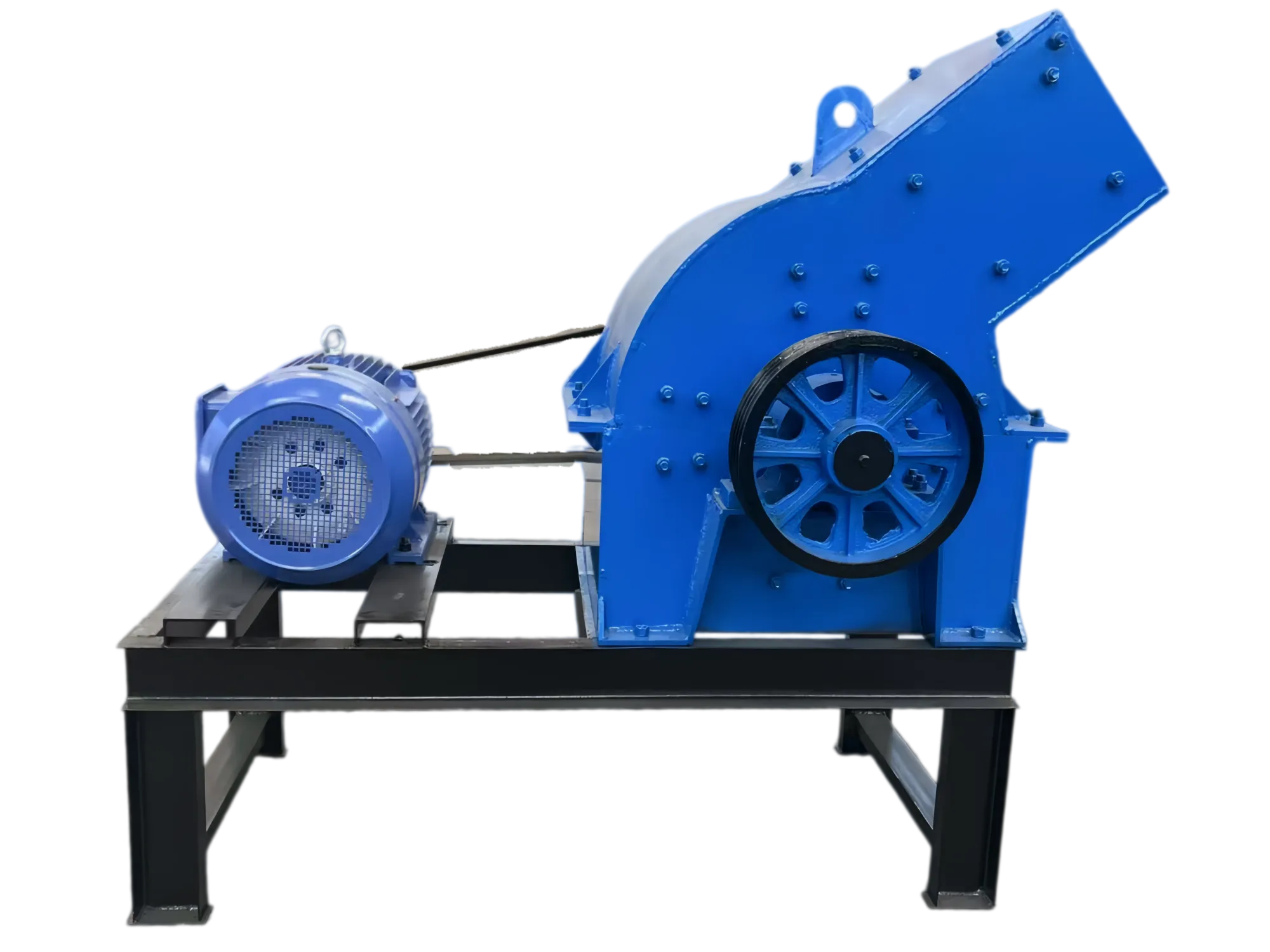
High-performance 600x600 industrial hammer crusher with 30kW motor, 600×360mm feed inlet, 24 alloy hammers. Process max 20cm bulk materials into 5mm and below fine particles. Stable, durable, dry & wet crushing for mining, construction waste and coal processing.
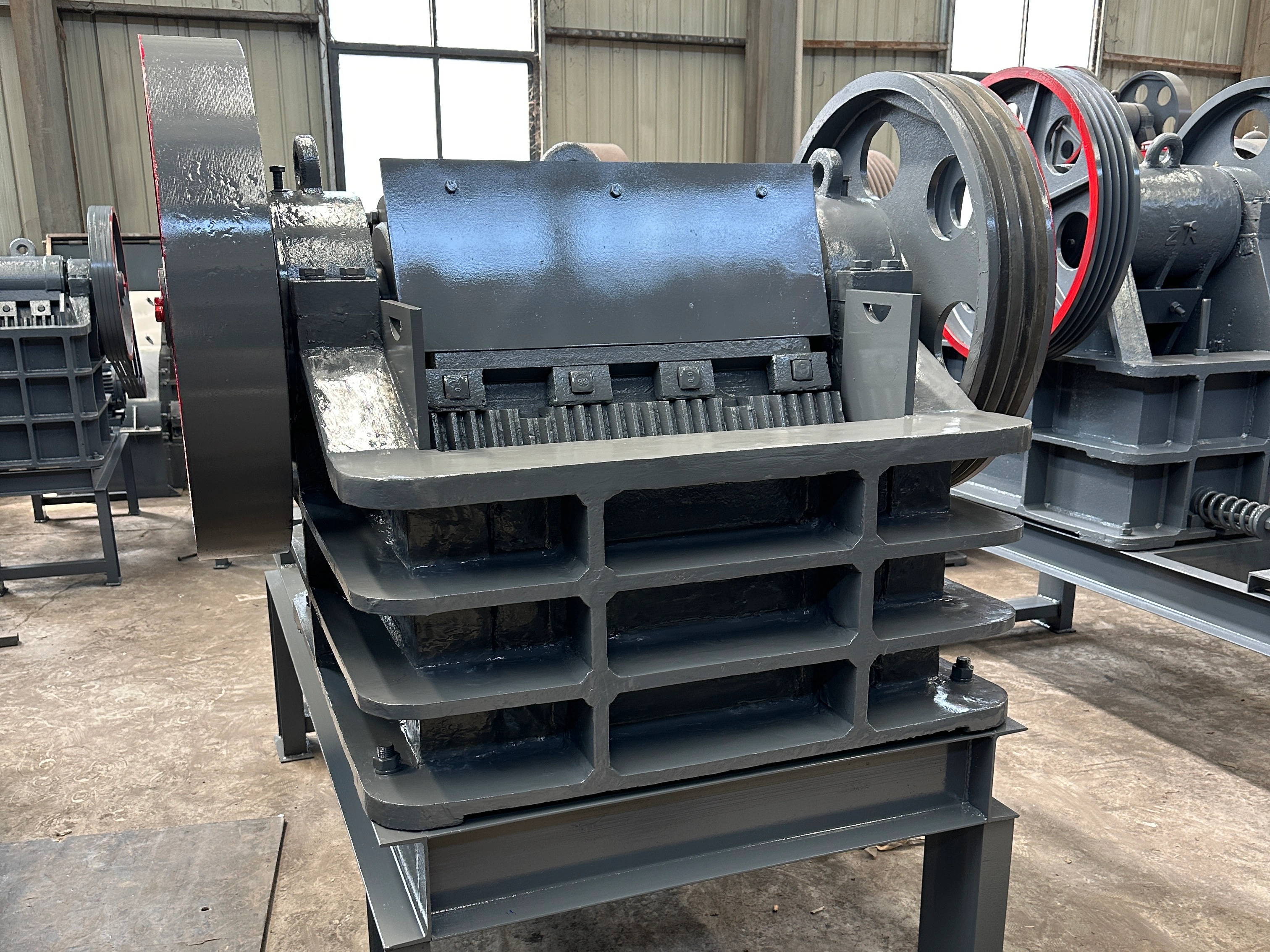
The PEX-250×750 jaw crusher is a fine/medium crushing machine widely used in mining, metallurgy, construction, highway, water conservancy, and chemical industries. It features a feed opening of 250×750mm, with a maximum feed size of ≤210mm. The discharge opening is adjustable from 25mm to 60mm, deli