
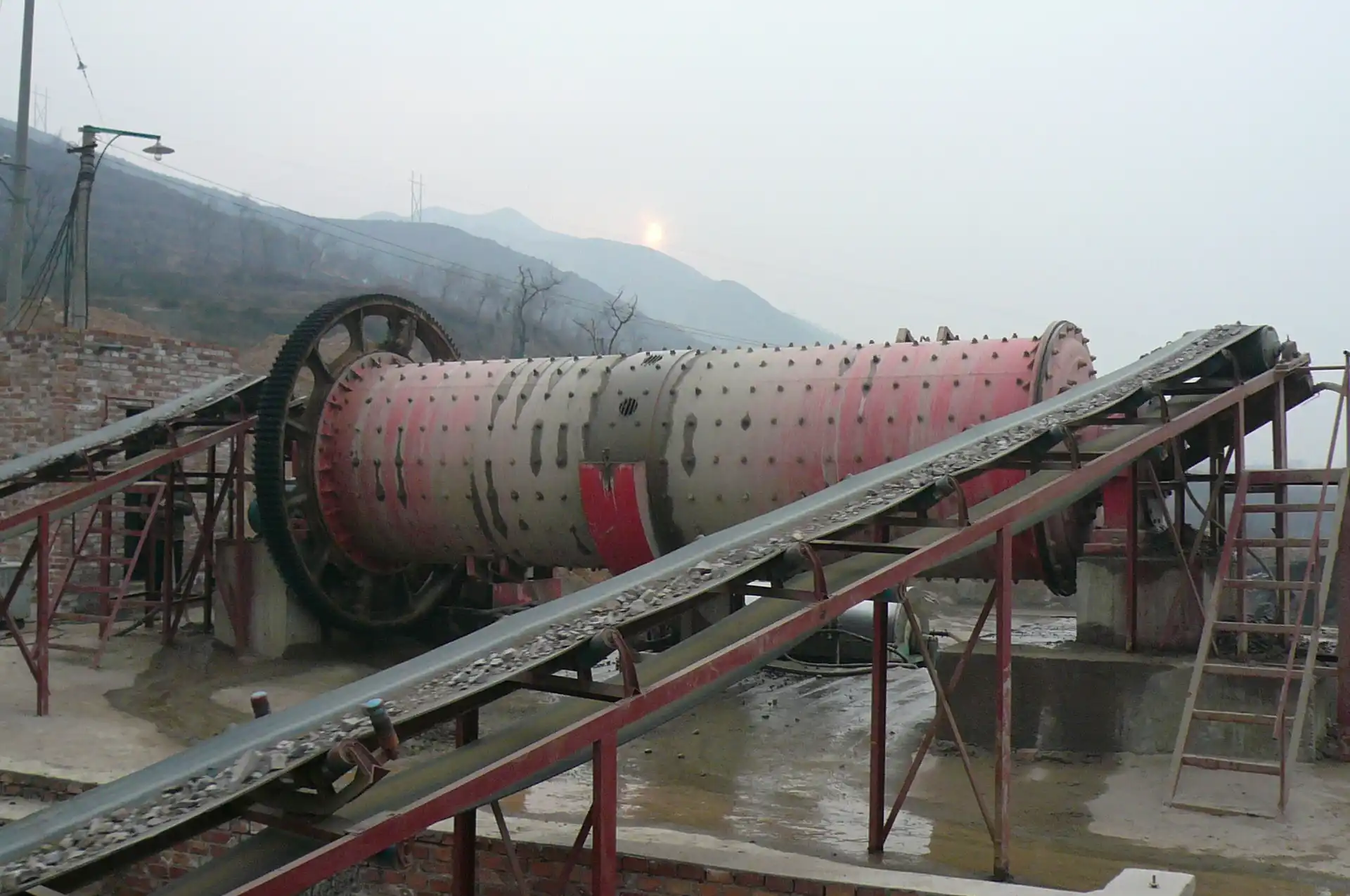
Laboratory Ball Mill: A Complete Guide to Usage and Applications
In mineral processing, the Laboratory Ball Mill stands as one of the most essential pieces of equipment for grinding and sample preparation. Whether you are developing a new beneficiation flow sheet or conducting routine quality control, a reliable lab-scale mill is crucial. This guide will walk you through everything you need to know about using a laboratory ball mill, its wide-ranging applications, and how to get the most out of your investment. From fundamental operating steps to advanced tips, you’ll discover why this simple yet powerful device is a cornerstone of modern mineral testing laboratories.
What is a Laboratory Ball Mill ?
A Laboratory Ball Mill is a scaled-down version of industrial ball mills, designed for grinding, mixing, and homogenizing small batches of materials in research, quality assurance, and pilot-plant settings. It consists of a cylindrical container (the drum) that rotates around its horizontal axis, partially filled with grinding media (usually steel or ceramic balls). As the drum rotates, the balls cascade and impact the material, reducing particle size through a combination of impact and attrition.
These mills come in various sizes, from bench-top units handling a few grams to floor models with capacities up to several kilograms. Their compact design, ease of operation, and precise control over grinding parameters make them indispensable in mineral processing labs for sample preparation ahead of chemical analysis, flotation tests, and metallurgical studies.
Key Components and Working Principle
Understanding the main components helps you operate the machine safely and efficiently. Typical parts include:
Milling drum – usually made of stainless steel, ceramic, or polyurethane, selected based on the material being ground.
Grinding media – balls of various sizes and materials (alumina, zirconia, steel, tungsten carbide).
Drive system – an electric motor with variable speed control, allowing you to adjust the rotation RPM.
Frame and rollers – support the drum and facilitate rotation.
Control panel – timer, speed regulator, and safety interlocks.
How It Works
The working principle relies on centrifugal force and gravity. As the drum rotates at a speed typically 60–80% of the critical speed, the grinding media are lifted up the rising side of the drum and then cascade down, crushing the feed material between ball–ball and ball–liner contacts. The continuous tumbling action ensures even size reduction and mixing. For fine grinding, you can increase the number of balls, reduce feed size, and extend milling time. Wet milling, using water or other liquids, is often preferred in mineral labs to reduce dust and heat.
Step-by-Step Guide to Using a Laboratory Ball Mill
Proper operation not only guarantees consistent results but also extends the life of your equipment. Follow this systematic procedure when working with a laboratory ball mill:
Safety first – wear appropriate PPE (gloves, goggles, dust mask). Make sure the mill is on a stable, level surface and the emergency stop is functional.
Select grinding media and drum – choose the drum liner material and ball type/size based on your sample’s hardness and desired contamination level. For example, use alumina balls when grinding ceramic raw materials, or hardened steel balls for metallic ores.
Prepare the sample – crush the feed material to a manageable top size (usually below 2–3 mm for lab mills). Weigh the exact charge according to the mill’s recommended filling ratio (typically 25–35% of drum volume for media, and the sample should occupy the voids between balls).
Load the mill – first add the grinding media, then introduce the sample. If wet grinding, add the calculated amount of water or grinding aid to achieve the desired slurry density (commonly 60–75% solids).
Set parameters – program the rotation speed (often expressed as percentage of critical speed) and grinding time. For fine mineral grind, start with 60–70% critical speed and adjust based on particle size distribution results.
Start the mill – close the drum securely, engage the safety guard, and begin the cycle. Monitor for unusual vibrations or sounds.
Monitor and sample – for quality control, you may stop the mill temporarily to take a small representative sample for sieve analysis. Record the time, speed, and any observations.
Discharge and clean – after the cycle, turn off the mill, allow it to stop completely, and carefully open the drum. Pour the slurry or powder into a receptor container. Immediately clean the drum and media to prevent cross-contamination. Use a brush and water; for dry grinding, an industrial vacuum can be helpful.
For maximum reproducibility, always document the media load, sample mass, speed, and time, and keep the mill in good working condition.
Common Applications of Laboratory Ball Mills in Mineral Processing
The versatility of the laboratory ball mill makes it applicable across nearly every stage of mineral processing research and development. Here are the primary areas where it is used:
Ore characterization and grindability testing – determining the Bond Work Index or conducting comparative grindability studies. The lab mill helps establish the energy required for size reduction, which is critical for plant design.
Sample preparation for chemical analysis – pulverizing drill cores, rock chips, or concentrate samples to a fine powder suitable for XRF, ICP, or fire assay. Consistent particle size ensures representative and reproducible analytical results.
Pre-flotation or leaching preparation – grinding ore to liberation size prior to flotation, cyanidation, or acid leaching tests. A controlled grind from a laboratory ball mill simulates plant conditions and allows optimization of reagent dosages.
Development of new grinding circuits – pilot-scale closed-circuit grinding tests using lab mills help validate computer simulations and predict full-scale mill performance.
Ultra-fine grinding research – when studying stirred milling or regrinding of concentrates, lab ball mills provide the baseline grind and can be used with smaller media for fine and ultrafine product.
Quality control in mining operations – daily checks of mill feed, cyclone overflow, or final product fineness using a quick lab mill test.
Ceramic and industrial minerals – besides metalliferous ores, lab ball mills grind limestone, silica, feldspar, and clay, often in a wet process, for ceramics, glass, or filler production trials.
Beyond mineral processing, similar laboratory ball mills find use in pharmaceuticals (active pharmaceutical ingredient micronization), chemicals (pigments, agrochemicals), and advanced materials (battery powders, nanomaterials), proving their universal value.
Choosing the Right Laboratory Ball Mill for Your Needs
Not all lab mills are created equal. Selecting the optimal model depends on several factors. Consider the following checklist when evaluating a laboratory ball mill :
Capacity – match the drum volume to your typical batch size. Bench-top mills with 0.5–2 liters suit small R&D batches, while 5–20 liter mills are better for pilot work or production of larger sample lots.
Material of construction – choose corrosion-resistant stainless steel for most ore samples; ceramic or polyurethane linings are needed when iron contamination cannot be tolerated (e.g., high-purity quartz or advanced ceramics).
Grinding media selection – harder ores may require tungsten carbide or hardened steel, while softer samples work well with alumina or zirconia. Mixed media sizes can improve grinding efficiency.
Speed controllability – ideally, the mill should allow variable speed settings (manual or digital) to optimize the cascade motion for different materials.
Operation mode – decide between batch (most common) and continuous-feed configurations. Batch mills are simpler and more flexible for laboratory use; continuous systems are preferred for pilot-scale tests simulating closed circuits.
Safety features – look for interlocked guards, emergency stop, and overload protection. Some modern units include a timer that stops the mill automatically.
Additionally, consider the footprint and noise level if the mill will be placed in a laboratory shared with sensitive instruments. If wet grinding will be frequent, ensure the drum sealing is robust to prevent leaks.
Maintenance and Best Practices for Longevity
Well-maintained laboratory ball mills deliver years of reliable service. Incorporate these best practices into your routine:
Inspect drum liners and grinding media regularly. Replace worn liners before they expose the shell, and discard cracked or severely worn balls, which can affect grind quality and cause contamination.
Clean the drum, rollers, and surrounding area immediately after each use to prevent material build-up and corrosion. For wet grinding, dry the drum thoroughly.
Lubricate bearings and drive components according to the manufacturer’s schedule. Listen for unusual noise, which can indicate misalignment or bearing failure.
Check and tighten all fasteners periodically; vibration can loosen screws over time.
Calibrate the speed control if equipped with a tachometer, ensuring the displayed RPM matches actual drum rotation.
Keep a logbook of usage hours, maintenance tasks, and any performance anomalies – this helps predict when parts need replacement before they cause unexpected downtime.
By catching small issues early, you avoid large repair bills and extend the operational life of your laboratory ball mill.
Conclusion
The laboratory ball mill is far more than a simple grinding device – it is a gateway to understanding ore behavior, optimizing mineral processing flowsheets, and producing high-quality analytical samples. From step-by-step operational procedures to wide-ranging applications in grindability testing, sample preparation, and process development, this guide has covered the essentials. With the right choice of equipment, adherence to best practices, and regular maintenance, your lab mill will become a cornerstone of accurate and efficient mineral testing. Ready to upgrade or commission a new lab grinding station? Contact our team today to explore a full range of laboratory ball mills tailored to the demands of modern mineral processing laboratories. Let us help you achieve your next breakthrough in size reduction technology.
Related Products
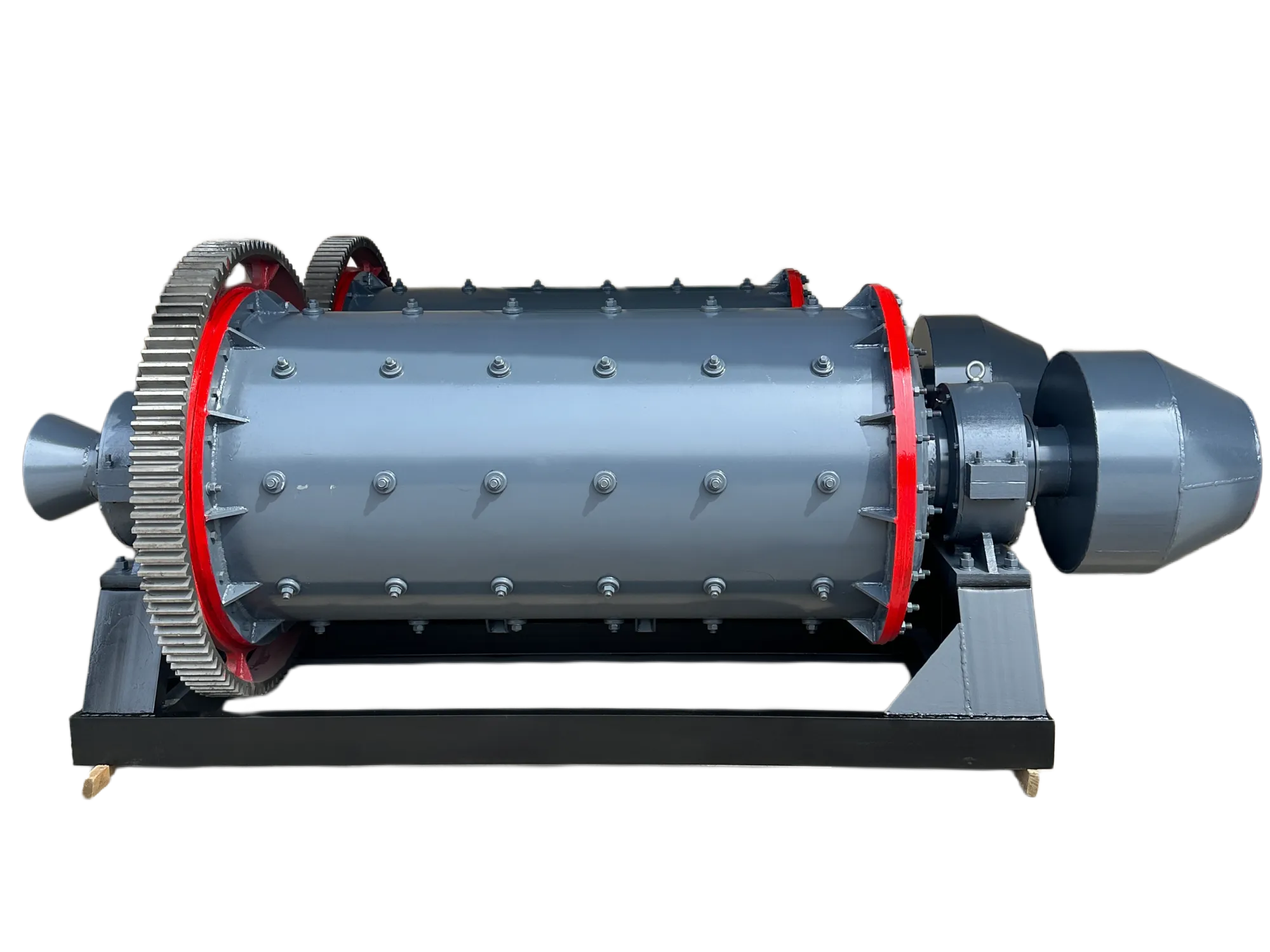
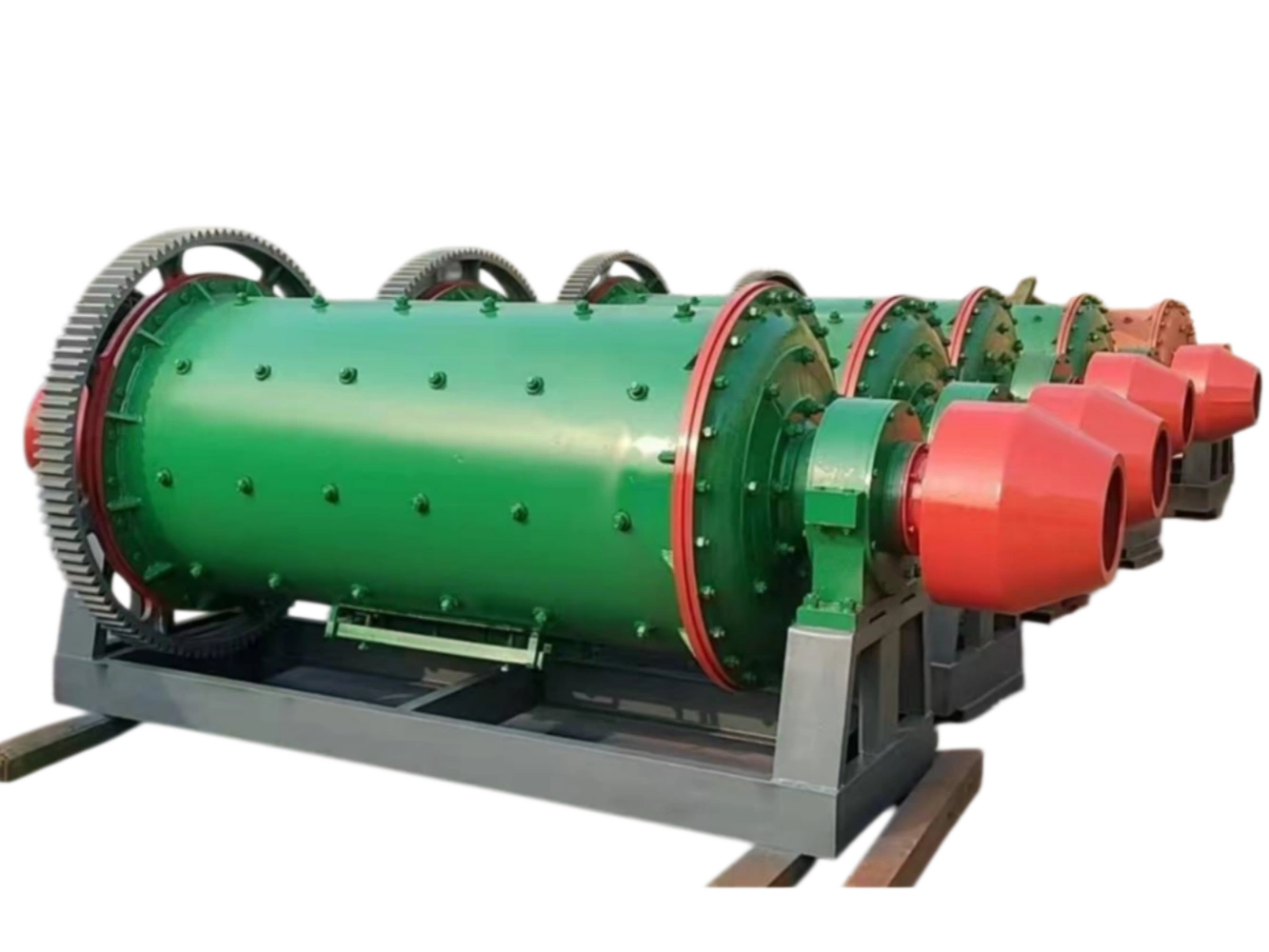
The 900×1800 ball mill is a high-efficiency horizontal grinding equipment specially developed for small and medium mining, mineral processing and building materials industries. It supports both dry grinding and wet grinding, with stable feeding and uniform discharging fineness. The machine is equipp
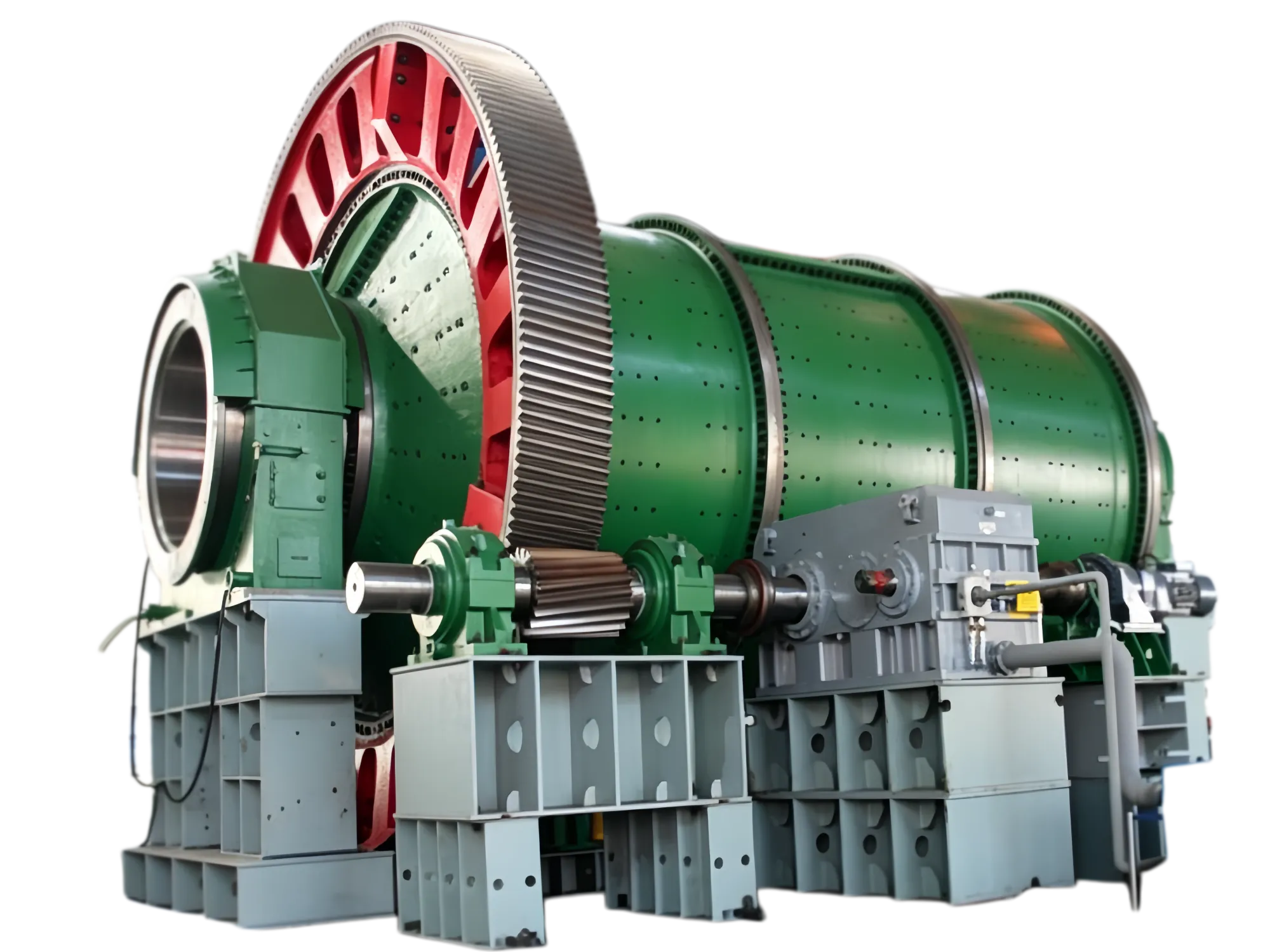
This model is suitable for grinding gold ore, copper ore, iron ore, limestone, quartz stone and other minerals. With stable operation, large processing capacity and low energy consumption, it adopts high-strength wear-resistant lining plates and reliable transmission structure.
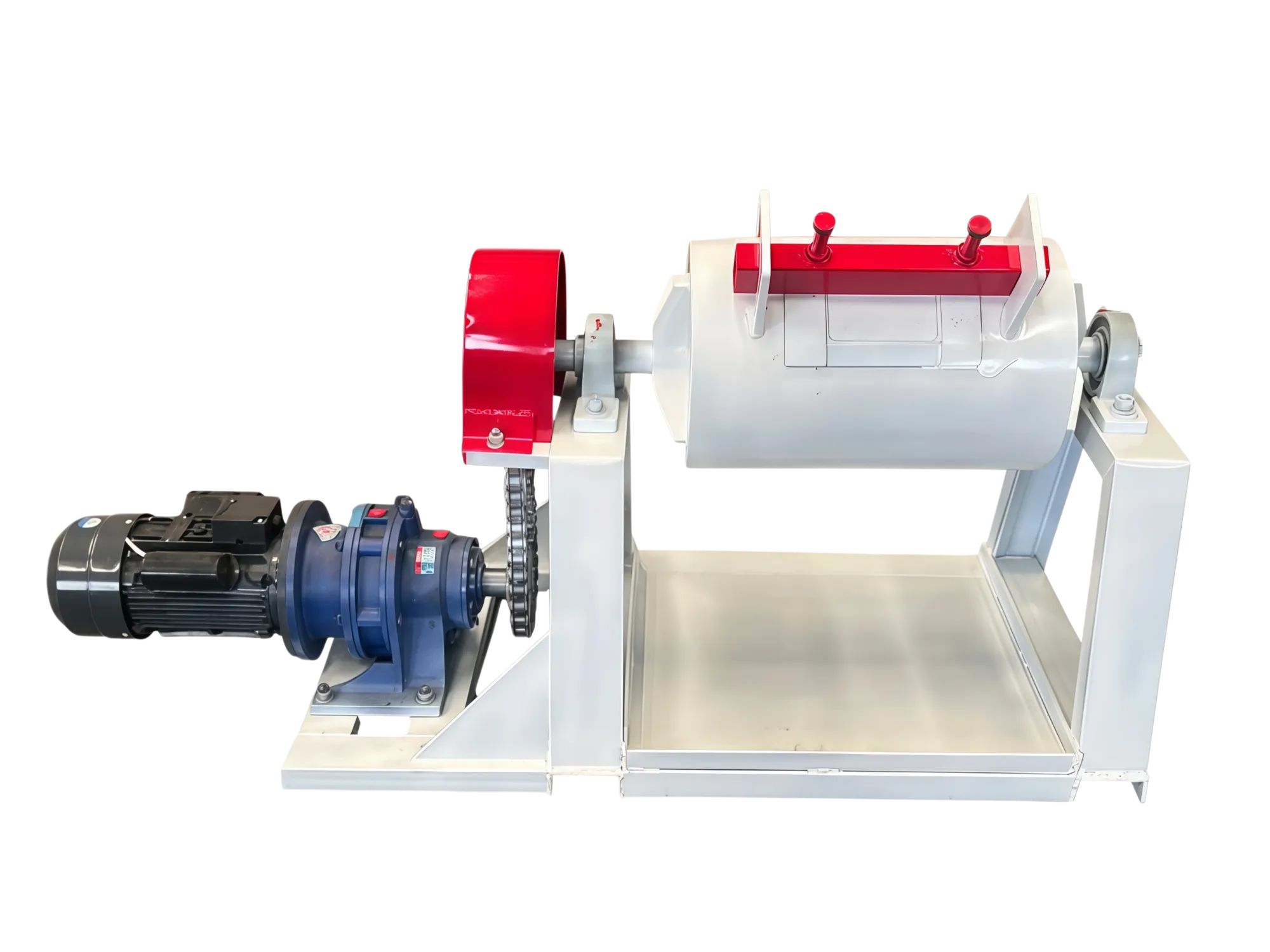
Small ball mill for grinding gold ore, equipped with a 3 kW motor. Compact and portable. Easy to operate.
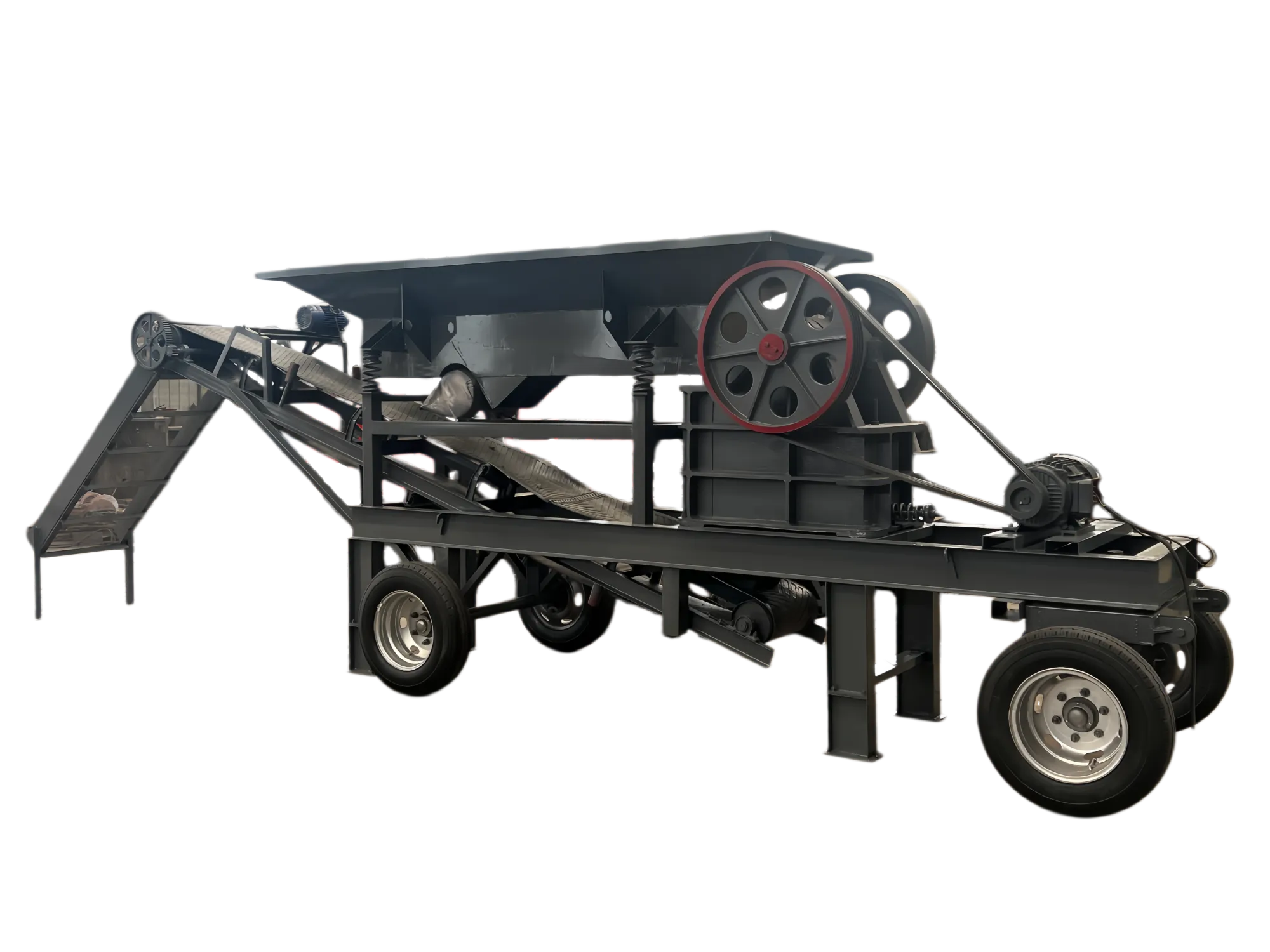
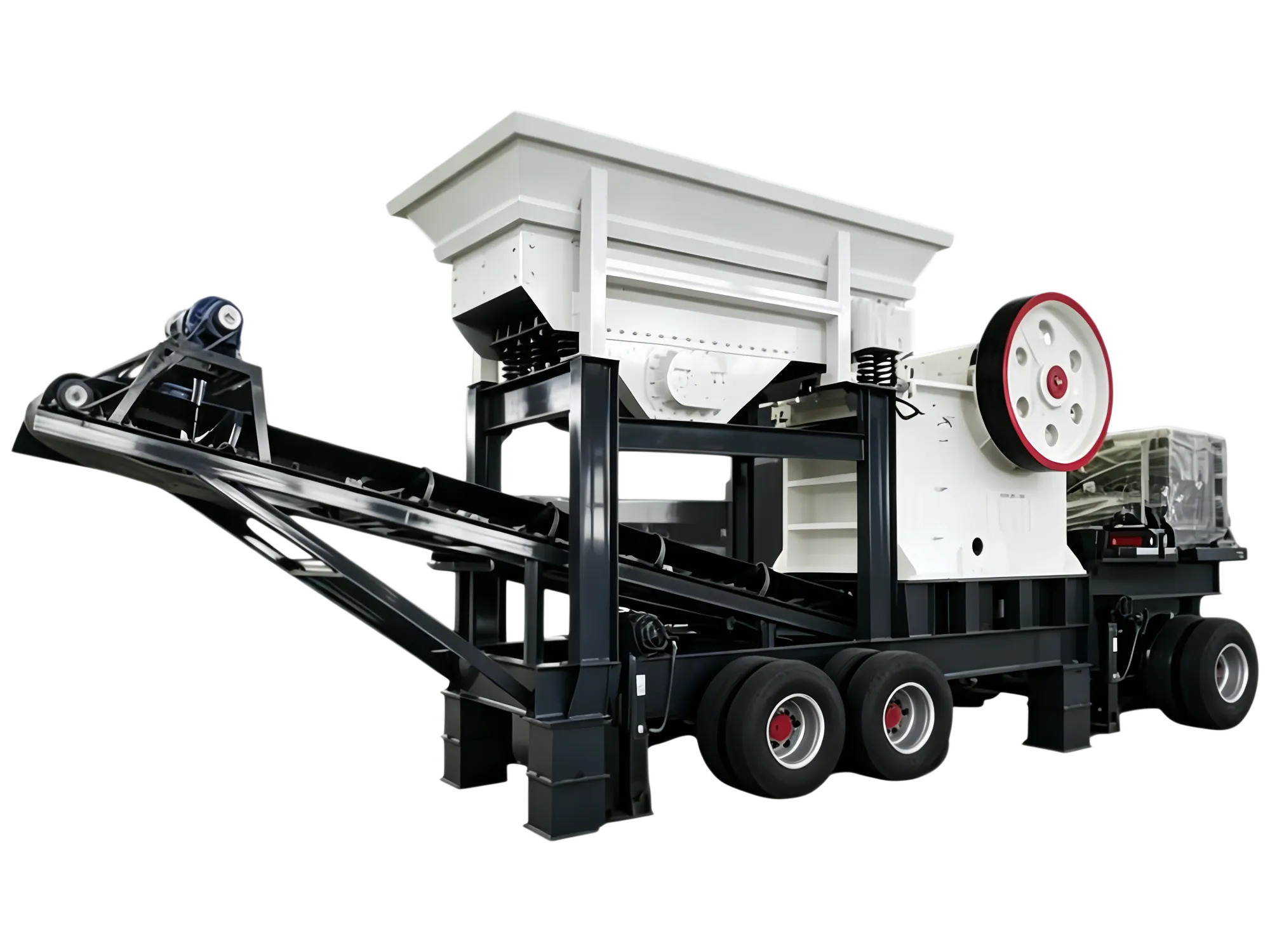
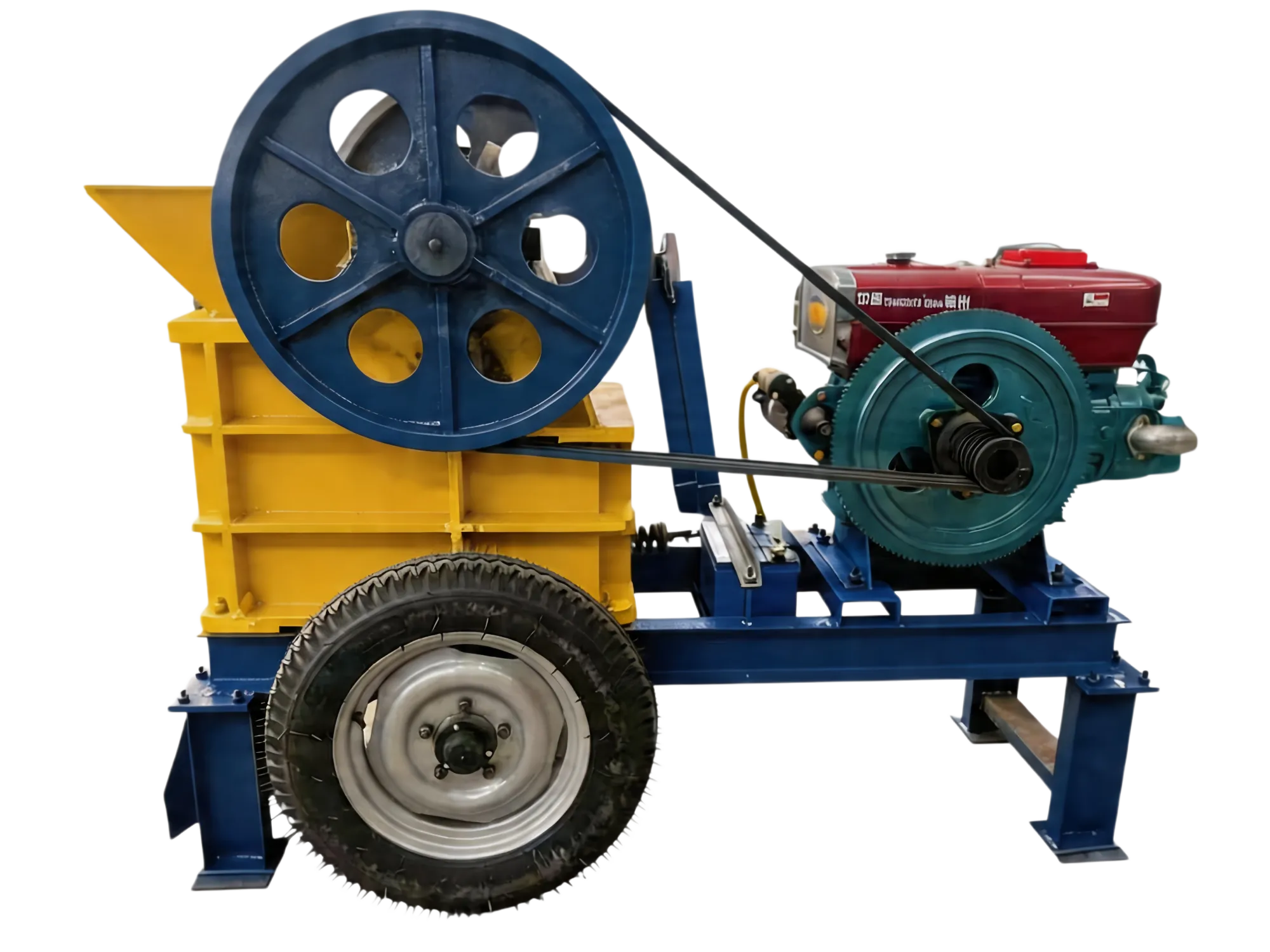
The Mobile 250×400 Jaw Crusher can crush various types of hard rock, is easy to move, and offers the option of a custom diesel engine.