
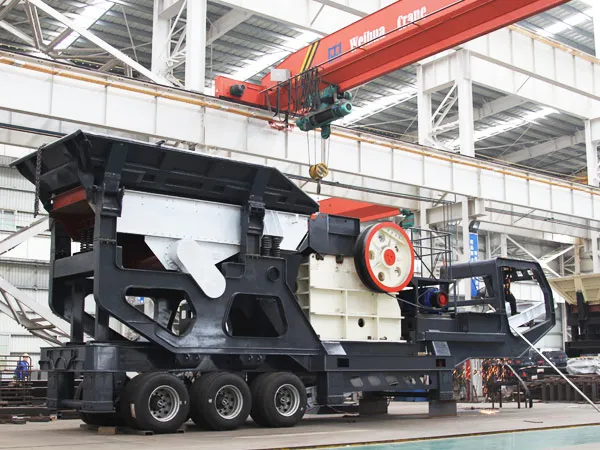
Mobile Jaw Crusher
{ "title": "Mobile Jaw Crusher: Key Benefits and When to Use vs. Cone Crusher", "slug": "mobile-jaw-crusher-benefits-vs-cone-crusher", "body": "
In the competitive world of mining crushing, choosing the right equipment can make or break your operation’s profitability. A mobile jaw crusher is one of the most versatile and efficient solutions for primary crushing, especially in quarries, recycling, and demolition sites. But how does it compare to a cone crusher, and when should you deploy one over the other? Understanding the unique strengths of each machine is critical for optimizing your crushing circuit, reducing downtime, and maximizing output. In this article, we dive deep into the mechanics, advantages, and strategic applications of mobile jaw crushers, while also exploring how they fit alongside cone crushers in a modern aggregate processing setup.
What is a Mobile Jaw Crusher?
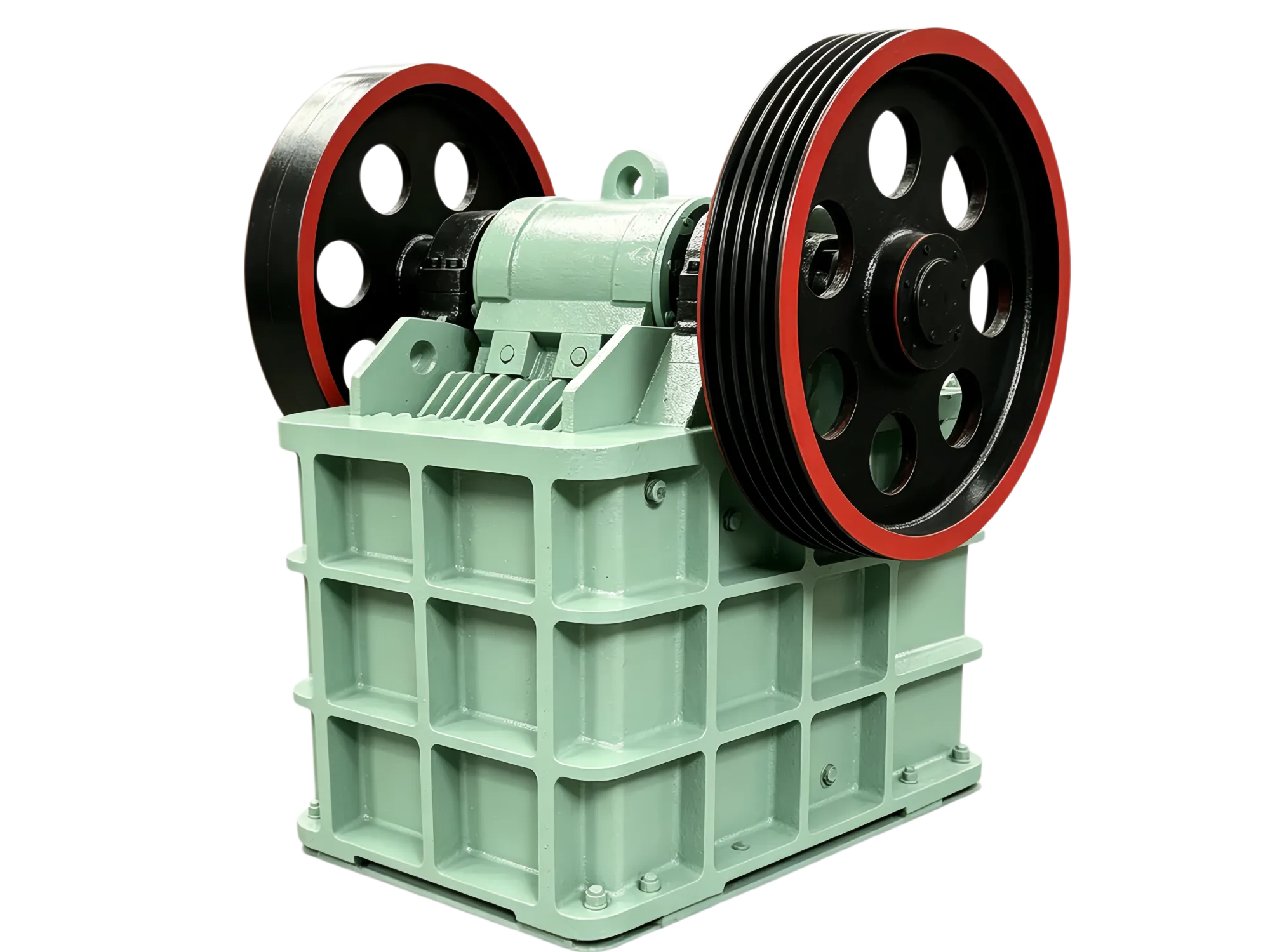
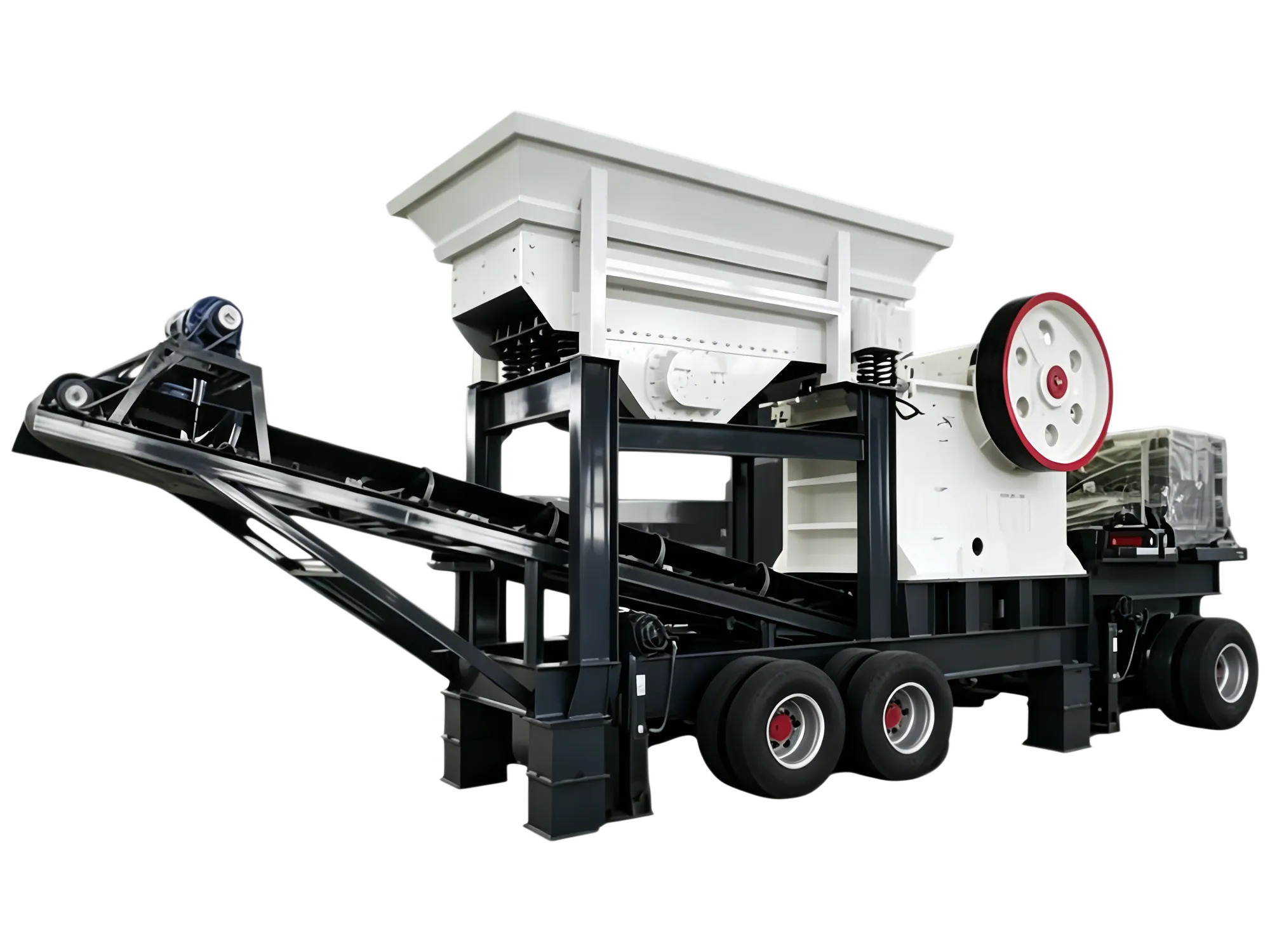
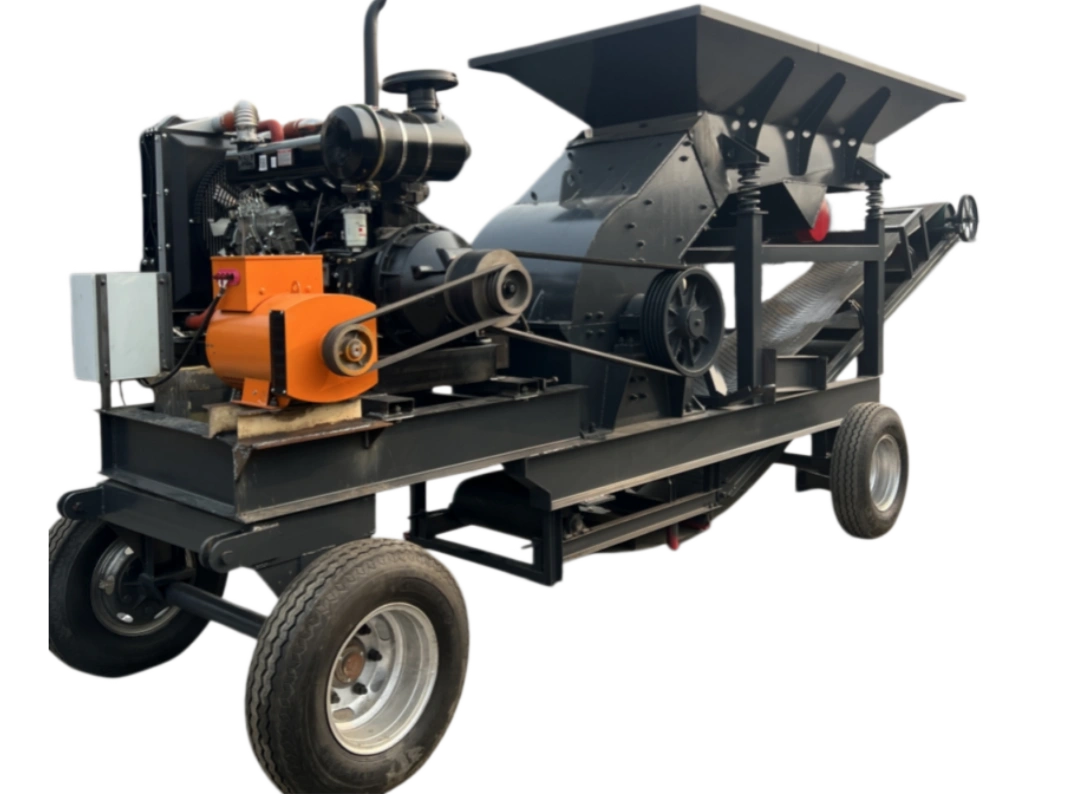
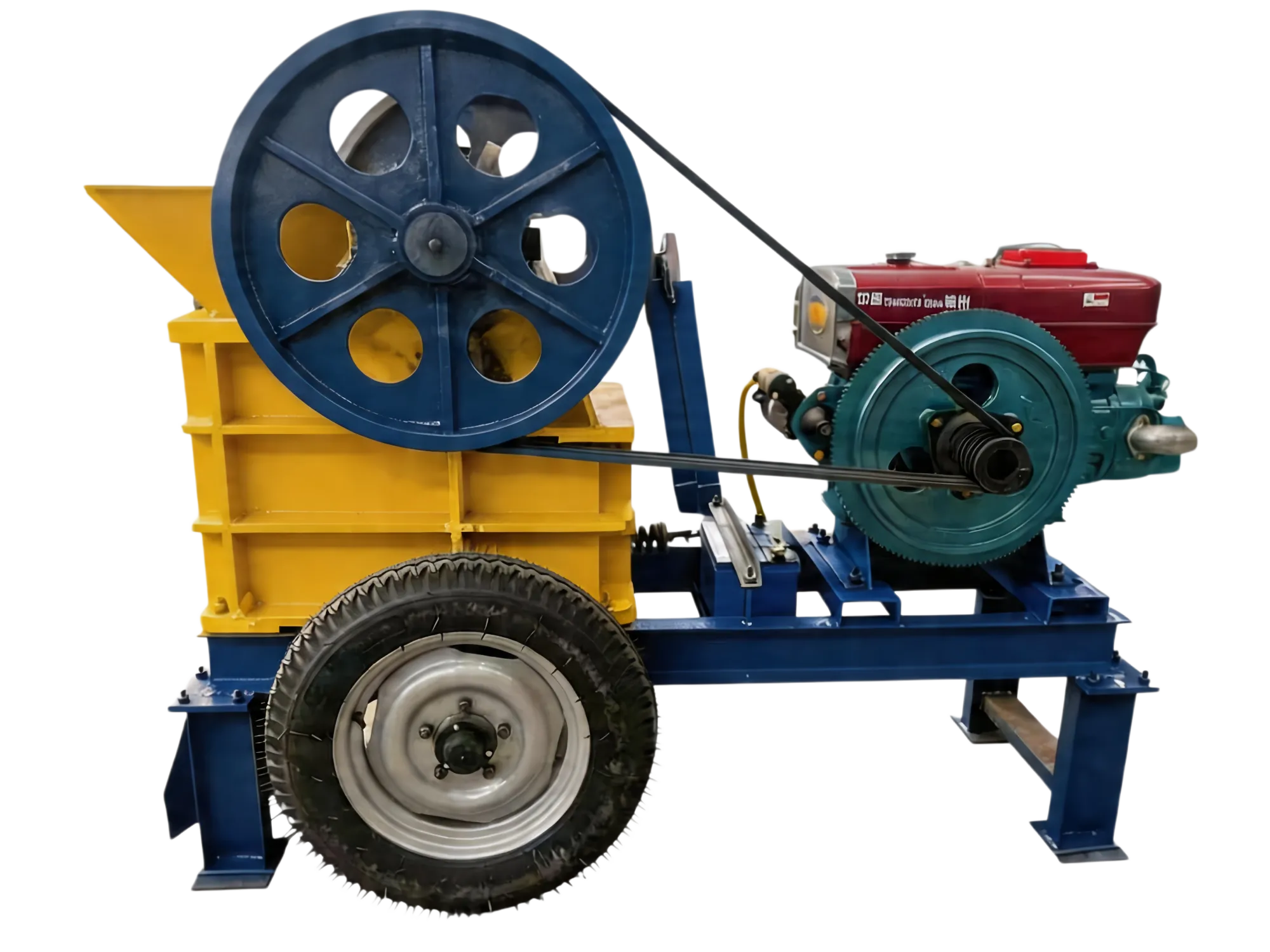
A mobile jaw crusher is a track-mounted or wheeled machine that uses compressive force to break down large rocks, concrete, and ore into smaller, more manageable pieces. Unlike stationary crushers, these units can be easily transported from site to site, making them ideal for on-site crushing in mining, quarrying, and construction projects. The heart of the machine is a fixed jaw and a moving jaw that together create a V-shaped crushing chamber. Material is fed into the top and crushed as the moving jaw exerts pressure against the fixed jaw, then exits through the bottom discharge opening.
Key Components of a Mobile Jaw Crusher
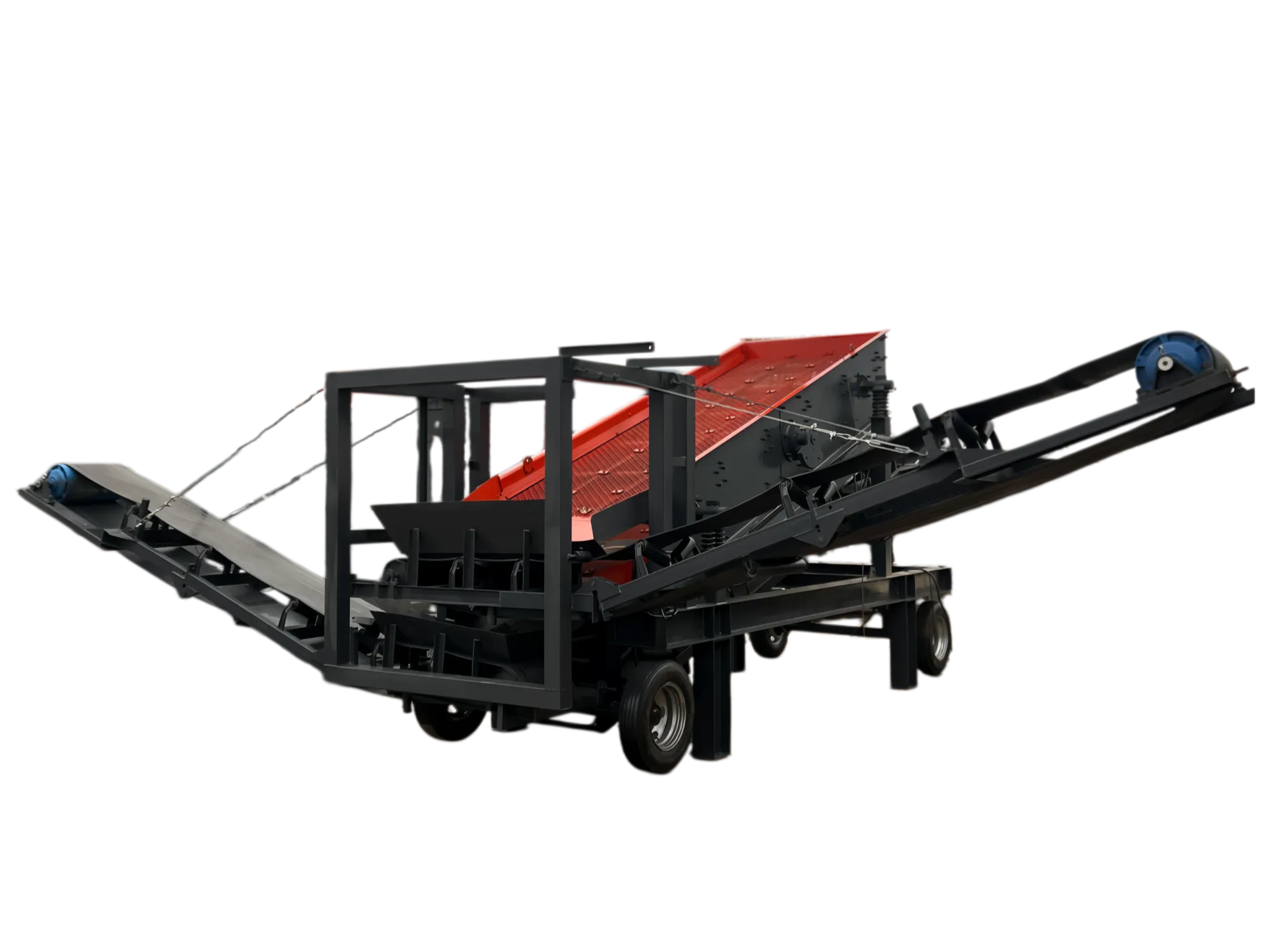
Vibrating feeder: Regulates the flow of material into the crusher, often with a grizzly section to remove fines before crushing.
Jaw crusher unit: The crushing mechanism itself, typically a single-toggle or double-toggle design, with replaceable manganese jaw dies.
Discharge conveyor: Removes crushed product from under the crusher.
Power source: Diesel engine, electric motor, or hybrid system that drives the hydraulics and crusher.
Tracks or wheels: Provide mobility across rough terrain.
Why Choose a Mobile Jaw Crusher Over a Cone Crusher?
Both machines serve distinct roles in a crushing circuit. A cone crusher is typically used for secondary or tertiary crushing, producing finer, more cubical product. In contrast, a mobile jaw crusher excels at primary breaking. Here’s why you might opt for the jaw:
Feed size capacity: Jaw crushers accept much larger feed sizes — often up to 1,000 mm or more — whereas a cone crusher requires pre-screened, smaller feed (typically under 200 mm).
Mobility on site: Mobile jaw crushers can be moved directly to the blast face or demolition pile, eliminating costly truck haulage. While there are mobile cone crushers, they are usually deployed after a primary jaw.
Lower initial cost: A mobile jaw crusher generally has a lower upfront investment compared to a mobile cone crusher of equivalent capacity.
Toughness in abrasive materials: Jaw crushers handle clay, dirt, and even light rebar better than cone crushers, which are more sensitive to contaminants.
However, if your operation demands a fine, consistent product shape for concrete or asphalt, a cone crusher is often the preferred secondary stage. Many operations run a mobile jaw crusher for primary reduction, then feed a mobile cone crusher for final sizing. This combination maximizes efficiency and product quality.
Comparing Output: Mobile Jaw Crusher vs. Cone Crusher
Feature | Mobile Jaw Crusher | Cone Crusher |
|---|---|---|
Typical stage | Primary crushing | Secondary / tertiary |
Max feed size | Up to 1,200 mm | Typically 200–300 mm |
Crushing principle | Compressive (jaw plates) | Gyratory / cone mantle |
Product shape | Flaky, elongated | Cubical, uniform |
Maintenance | Simpler, fewer wear parts | More complex, requires regular checks |
Applications Where Mobile Jaw Crushers Shine
From granite quarries to urban demolition, a mobile jaw crusher proves its worth in numerous scenarios:
Quarrying: Primary reduction of blasted rock before further processing by a cone crusher or screening plant.
Recycling concrete and asphalt: Mobile jaw crushers easily handle reinforced concrete, separating rebar through a magnetic separator.
Mining overburden: Crushing waste rock to reduce volume for hauling or to create fill material.
Road base and sub-base production: Producing aggregates directly on-site for construction projects.
When a Cone Crusher is the Smarter Choice
While this article focuses on the mobile jaw crusher, it’s important to recognize when a cone crusher steps in. If you need high-volume, fine output and your feed is already screened to a manageable size, a cone crusher delivers superior reduction ratios and particle shape. For operations producing asphalt aggregates or manufactured sand, a cone crusher is often indispensable. Many stationary plants use a jaw crusher for primary and a cone crusher for secondary. Mobile versions of both now allow entire crushing spreads to be relocated quickly, combining the strengths of jaw and cone crusher technology.
Latest Innovations in Mobile Jaw Crushers
Modern mobile jaw crushers are more productive and fuel-efficient than ever. Key advancements include:
Hybrid drives: Diesel-electric systems reduce fuel consumption and allow plug-in operation when grid power is available.
Automated control systems: Sensors adjust crusher settings in real time to maximize throughput and protect against uncrushables.
Quick-setup hydraulics: Foldable hoppers, conveyors, and hydraulic crusher setting adjustments cut setup time to under 30 minutes.
Telematics: Remote monitoring of machine health, fuel usage, and location improves fleet management.
Maintenance Tips for Your Mobile Jaw Crusher
Proper maintenance extends the life of your equipment and ensures a rapid return on investment. Even if you run a cone crusher downstream, the primary jaw crusher’s reliability sets the pace for the entire circuit.
Check jaw die wear regularly: Replace before they become too thin to avoid damage to the jaw frame.
Keep the crushing chamber clean: Overfeeding or sticky material can lead to bridging; use hydraulic ram systems to clear blockages.
Monitor conveyor belts: Misalignment or worn belts lead to spillage and downtime.
Lubricate bearings: According to manufacturer schedules, especially in dusty environments.
Train operators: Skilled operators can maximize output while minimizing wear on both jaw and cone crushers in the circuit.
How to Integrate a Mobile Jaw Crusher with a Cone Crusher Plant
For aggregate producers running a large operation, the ideal setup often involves a mobile jaw crusher feeding a scalping screen, with oversize going to a mobile cone crusher. This configuration allows production of multiple product sizes simultaneously:
The jaw crusher reduces blasted rock to 150–200 mm.
A scalping screen removes fines (e.g., 0–40 mm) as a ready product.
The oversize is fed to the cone crusher for final reduction to 0–20 mm or 0–40 mm.
Return conveyors can recirculate material back to the cone crusher for further processing.
This combination leverages the high reduction ratio of the jaw at the front end and the precise shaping capabilities of the cone crusher at the back end.
Cost Considerations and ROI
Investing in a mobile jaw crusher requires careful number crunching. Compared to a static plant, you save on foundation costs, permitting, and site preparation. Compared to a mobile cone crusher, the jaw unit costs less per ton crushed in primary applications. However, the total cost of ownership includes fuel, wear parts, and maintenance. When paired with a cone crusher, output quality improves, potentially commanding higher prices for your aggregate. For many contractors, a mobile jaw crusher alone suffices for recycling jobs, but adding a cone crusher opens doors to higher-spec product markets.
Top Mobile Jaw Crusher Brands to Consider
Several manufacturers dominate the market with proven designs:
Metso Lokotrack LT series: Industry-leading fuel efficiency and capacity.
Sandvik QJ range: Known for robust build and reliable performance in tough conditions.
Kleeman MOBICAT: German-engineered precision with intuitive controls.
Terex Finlay J series: Affordable and popular in the contractor sector.
EvoQuip, Rubble Master, and others: Compact units for smaller operations.
Conclusion: Make the Right Crushing Choice
A mobile jaw crusher is the workhorse of any portable crushing spread, offering unbeaten primary throughput, mobility, and simplicity. While a cone crusher excels in finer reduction and cubical shaping, the two machines are not competitors — they are complementary. Understanding when to use each, or both together, is the key to crushing efficiency and product quality. Whether you’re opening a new quarry, expanding a mine, or tackling a city demolition project, a mobile jaw crusher gives you the flexibility and power to get the job done right.
Ready to explore how a mobile jaw crusher — or a complete jaw-and-cone crusher system — can transform your operation? Contact our team today for a free consultation and personalized equipment recommendations.
" }
Related Products
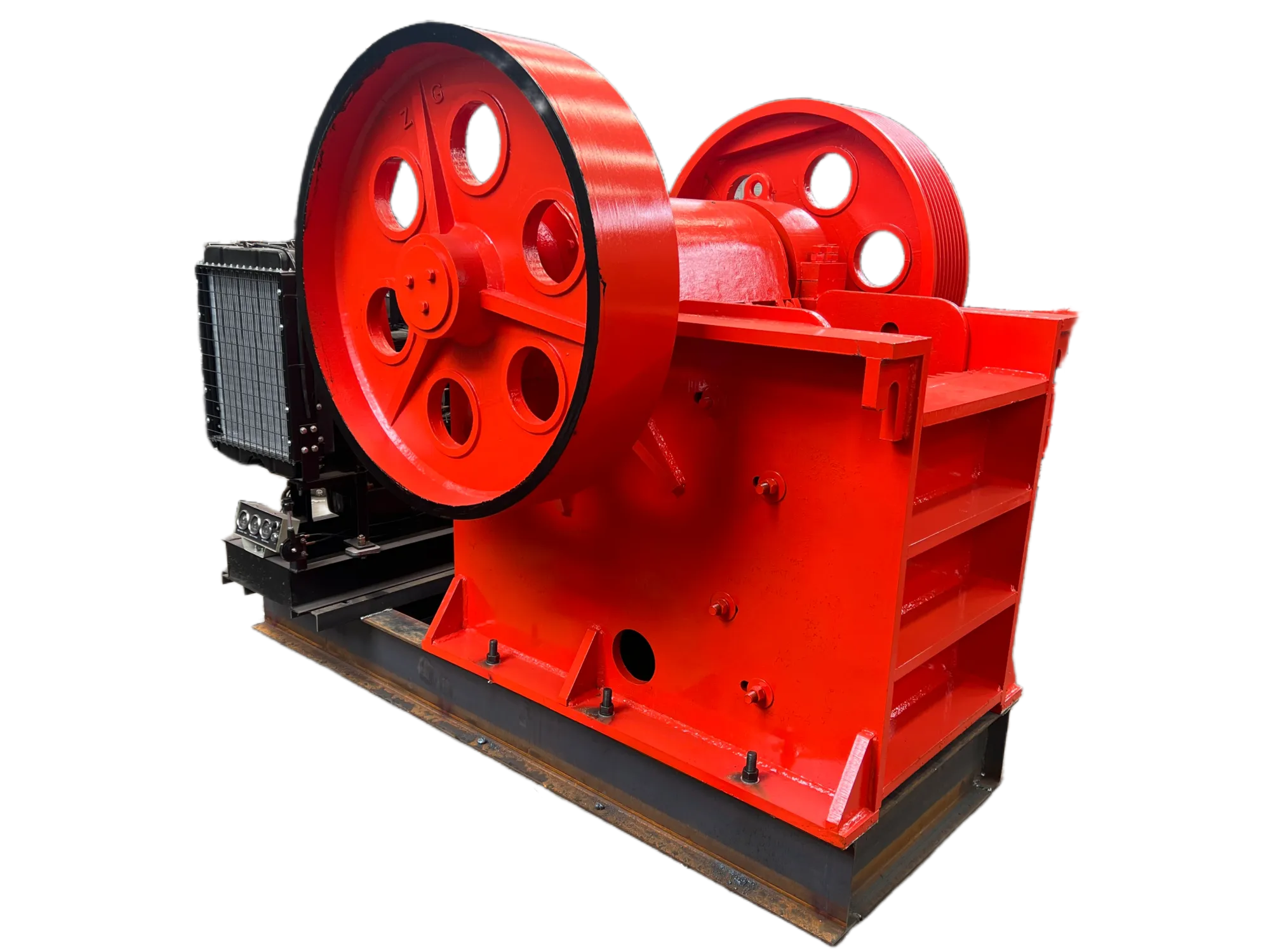
This 400600 diesel jaw crusher is equipped with 4105 diesel engine of 65KW. It has a 4060cm feed opening and hourly output of 50-80 tons. Strong crushing force handles various hard stones, featuring stable performance and flexible field operation.
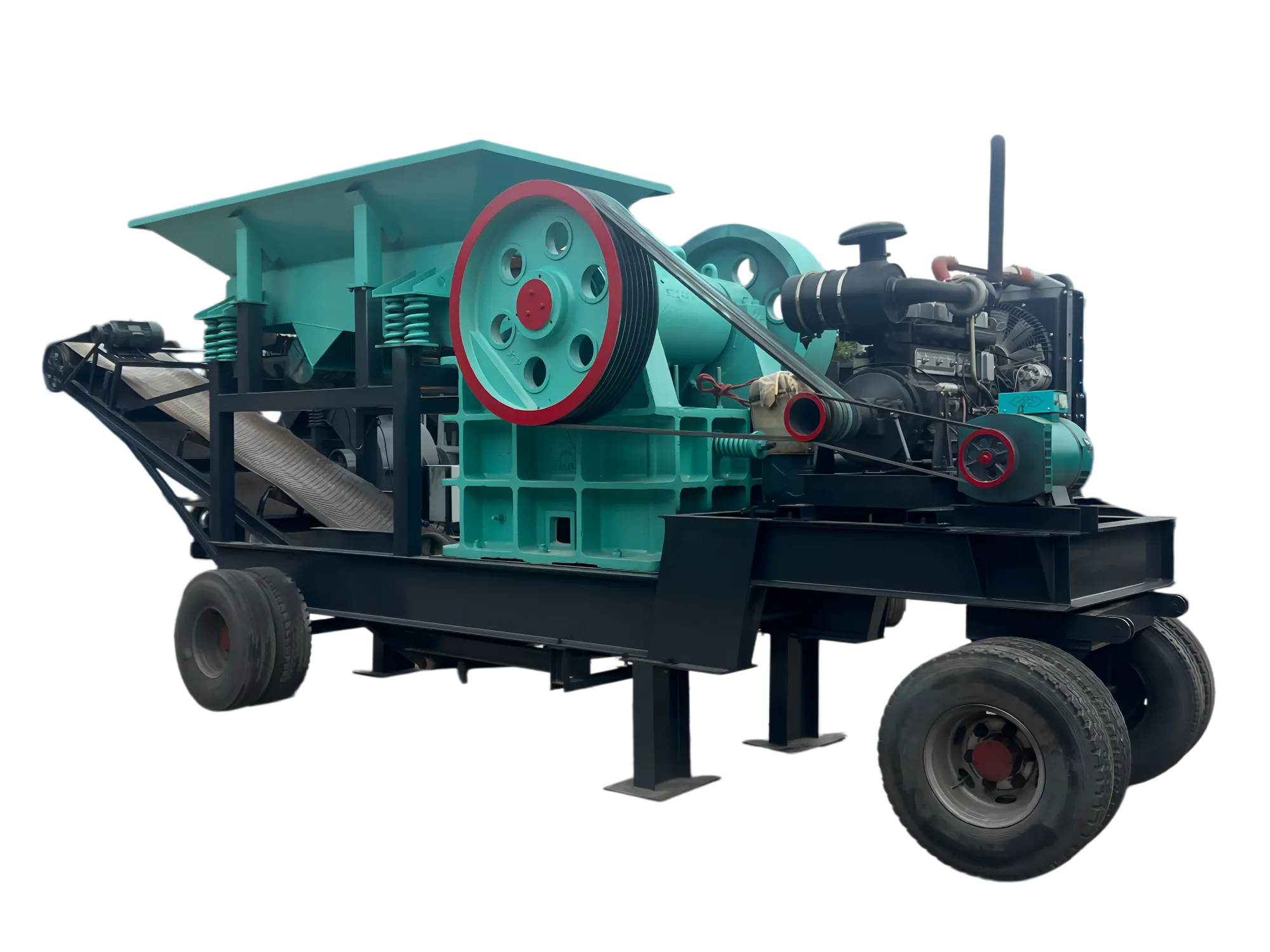
Mobile 500x750 diesel jaw crusher with 6105 engine, 80-100T/H output. 50*75cm feed inlet, easy-move, stable and durable for hard stone crushing.
Related Cases
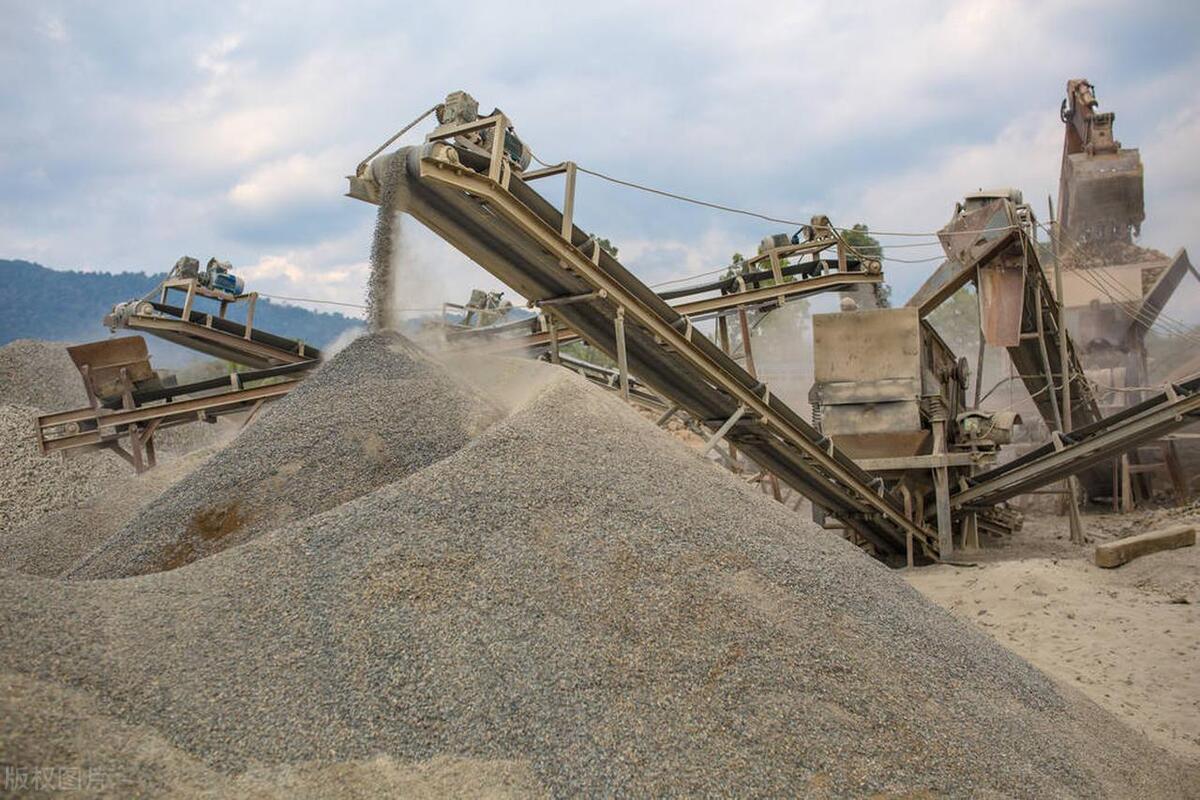
production site in Kazakhstan, the main equipment includes a 600×900 jaw crusher, a 1412 impact crusher, and an 1860 vibrating screen.
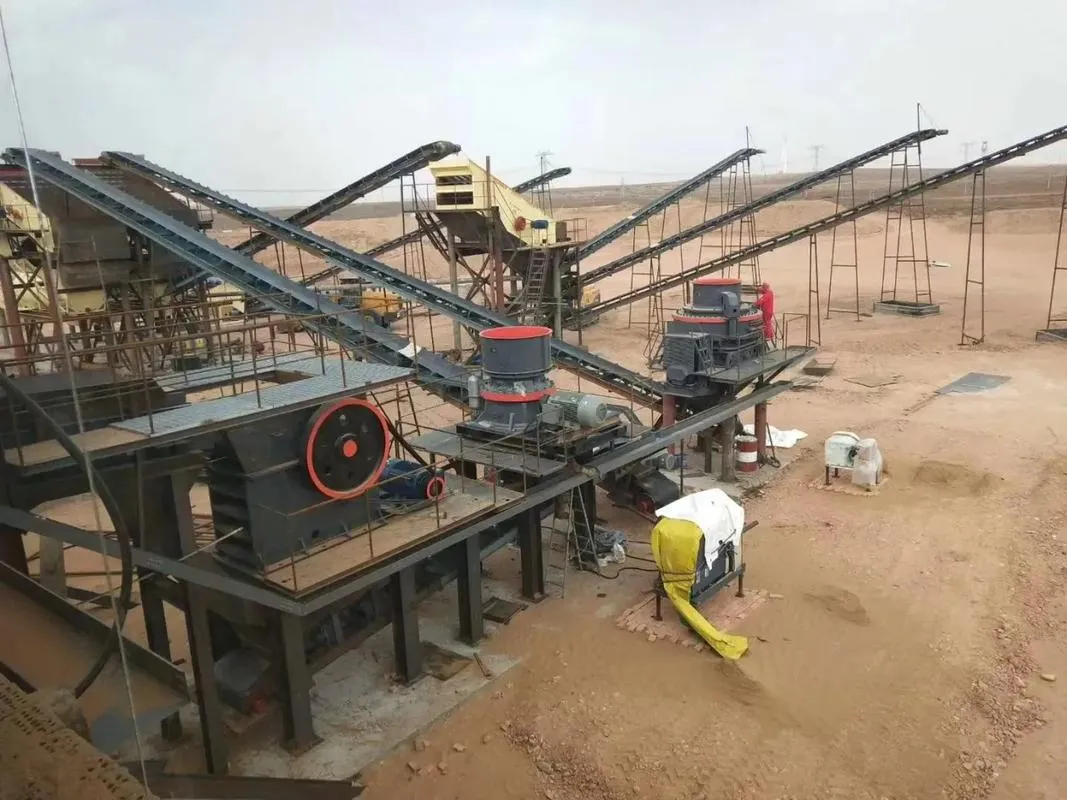
This mining crushing production line, located in Australia and with a processing capacity of 200 metric tons, is equipped with jaw crushers, cone crushers, and impact crushers, which are easy to maintain, reliable, and durable.