Project Background
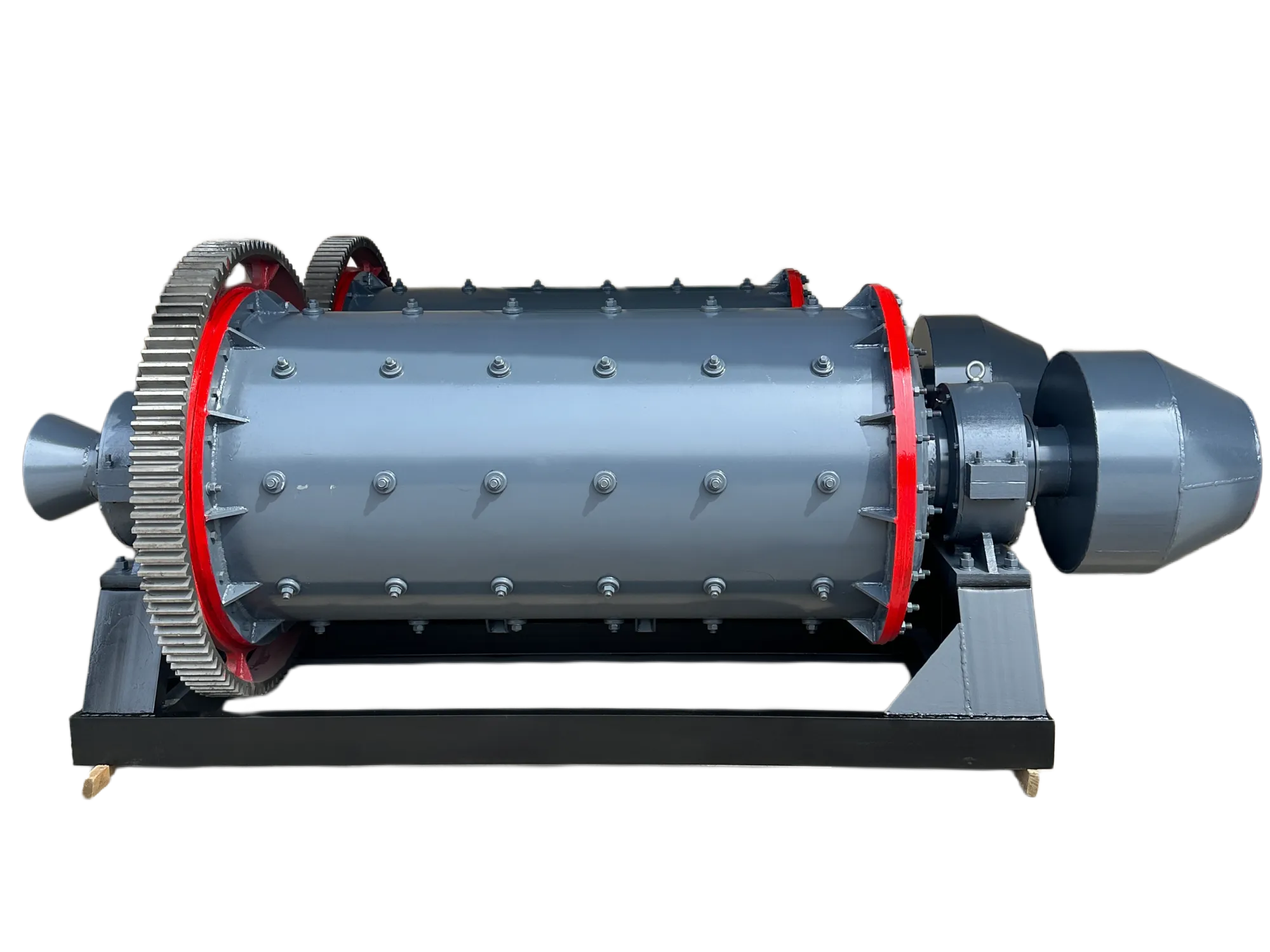
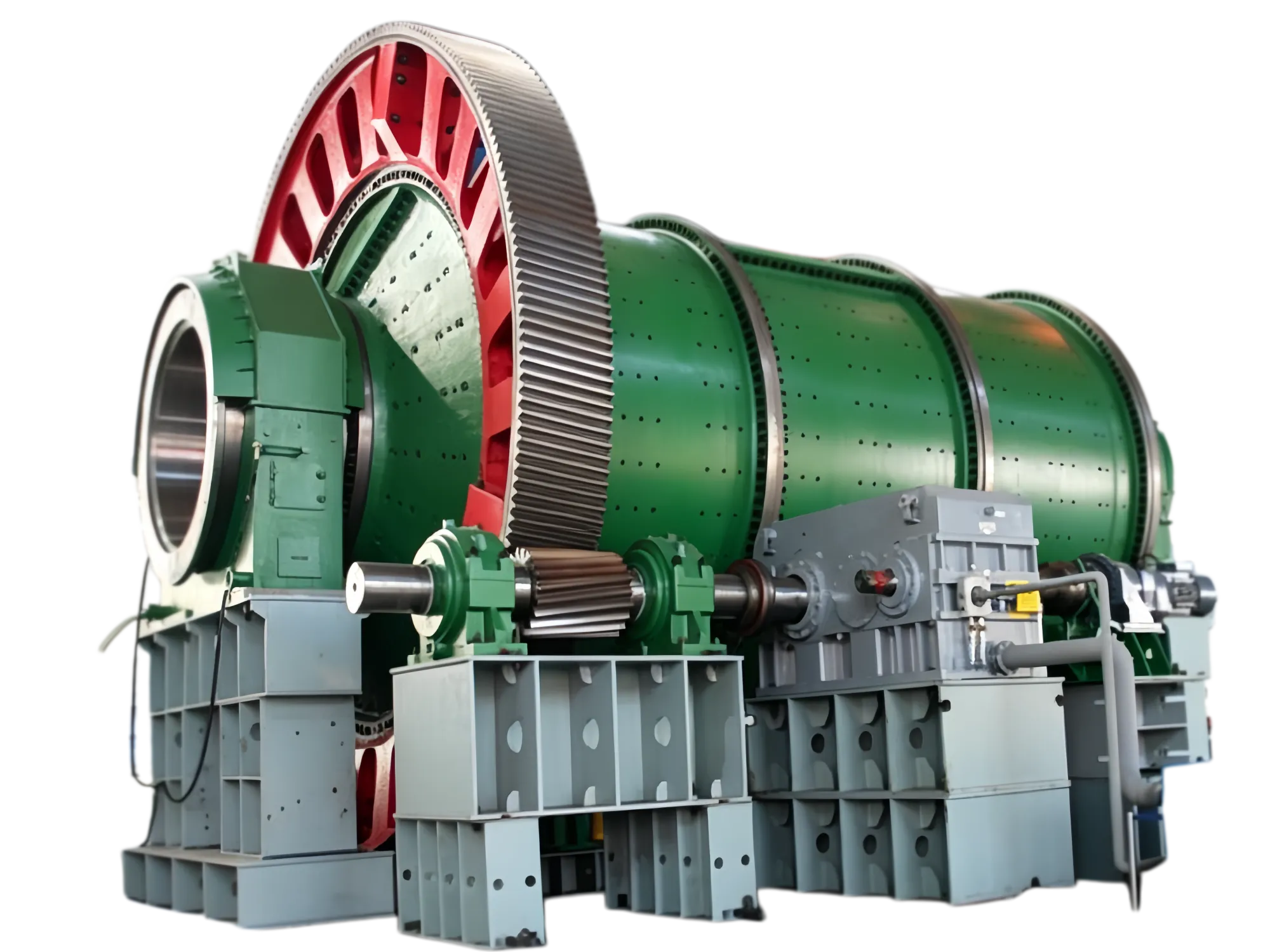
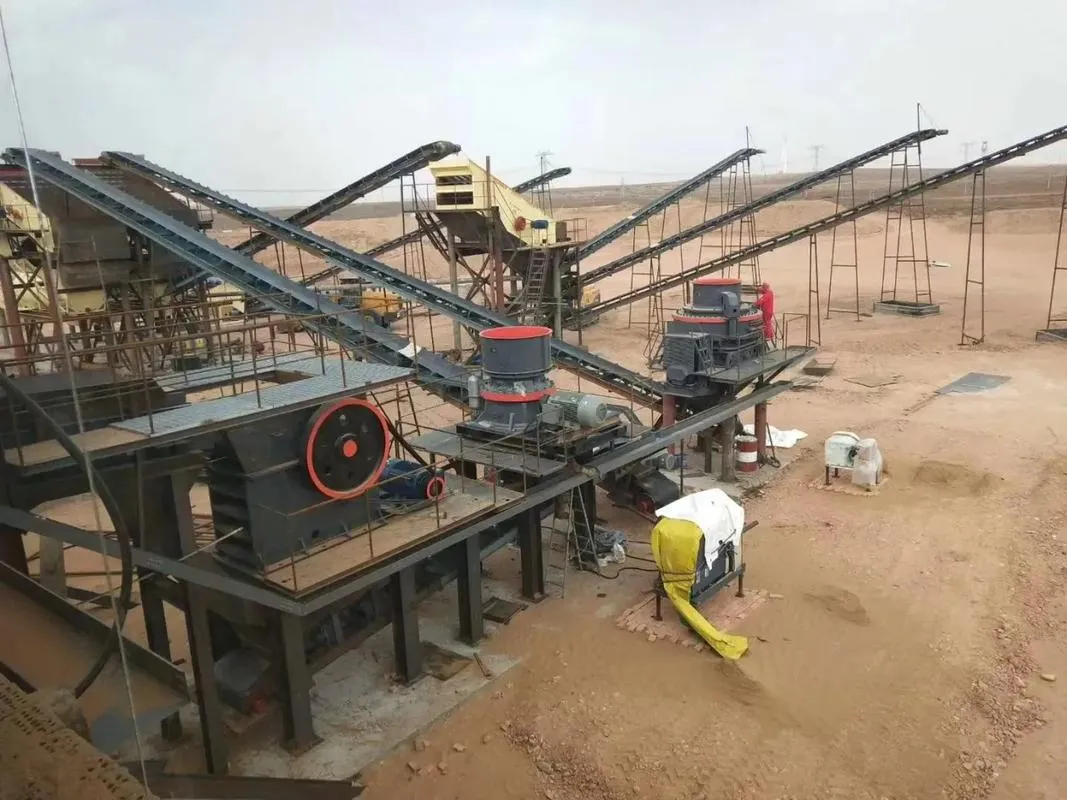
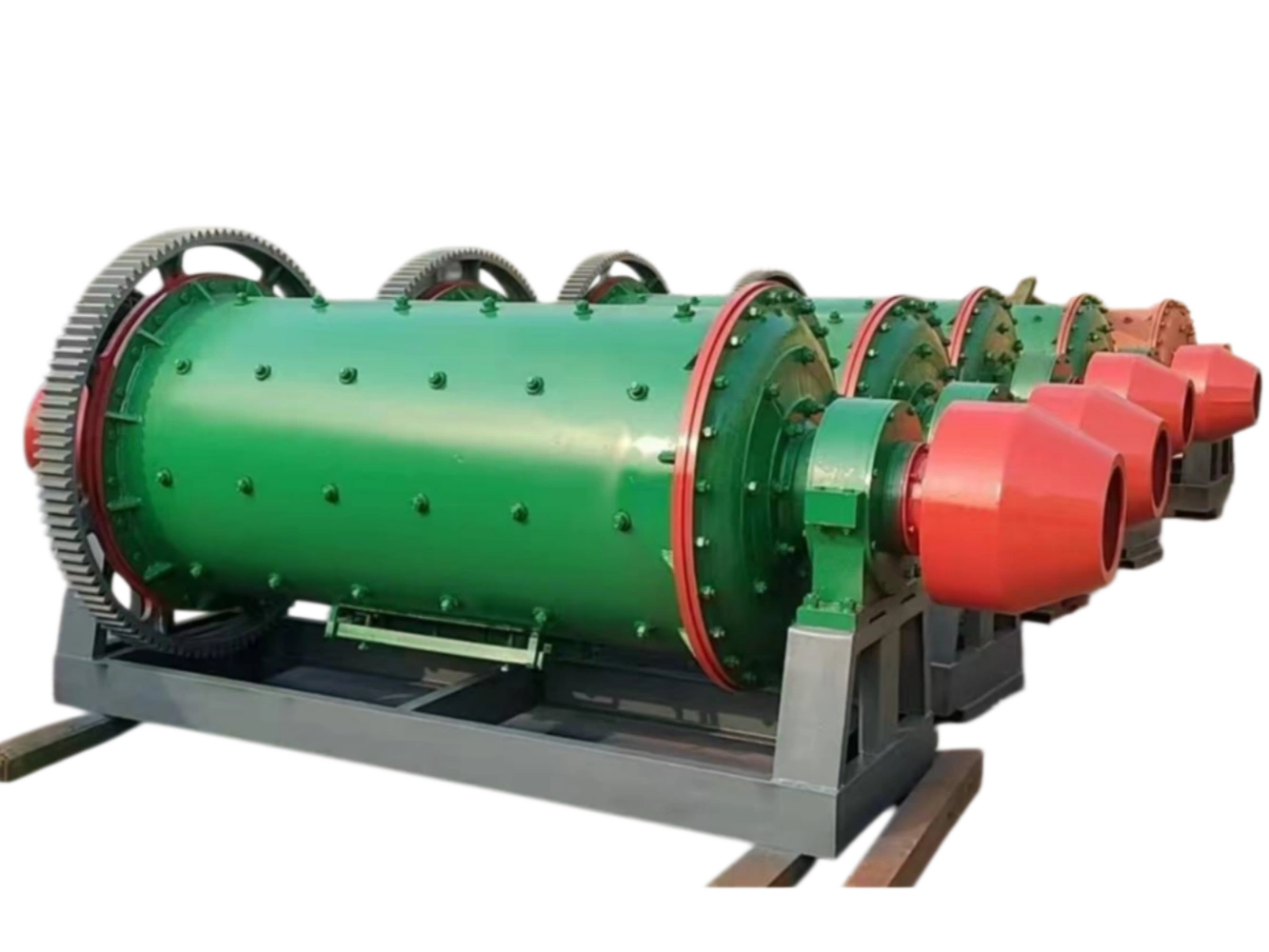
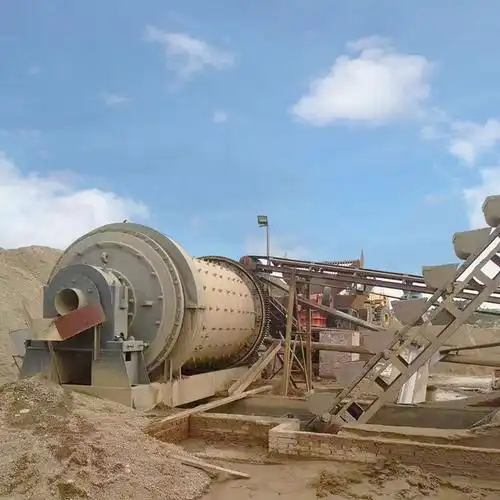
ABC Aggregates Ltd., a leading sand and gravel producer in the Midwest, operates a 500-tph crushed stone plant supplying high-quality aggregates for concrete and asphalt. The site extracts limestone from a quarry and processes it through primary crushing, secondary crushing, and a ball mill grinding circuit to produce manufactured sand. However, frequent downtime and inconsistent feed size from their aging primary jaw crusher were causing erratic ball mill performance and excessive energy consumption. The management sought a robust primary crusher that could handle high volumes of abrasive feed while delivering a consistent product for the downstream ball mill .
Challenges
Frequent unplanned stoppages: The existing jaw crusher suffered from jaw plate breakage and bearing failures, leading to 12–15 hours of downtime per month.
Inconsistent feed gradation: Output size varied widely, with up to 25% oversized material (+150 mm) that choked the secondary cone crusher and overloaded the ball mill, increasing specific energy consumption by 18%.
High wear costs: Abrasive limestone caused rapid wear on liners, requiring replacement every 4 months, with each replacement costing $45,000 in parts and lost production.
Safety hazards: Manual clearing of blockages and frequent maintenance tasks exposed personnel to risks around the crusher and ball mill feed conveyor.
Solution
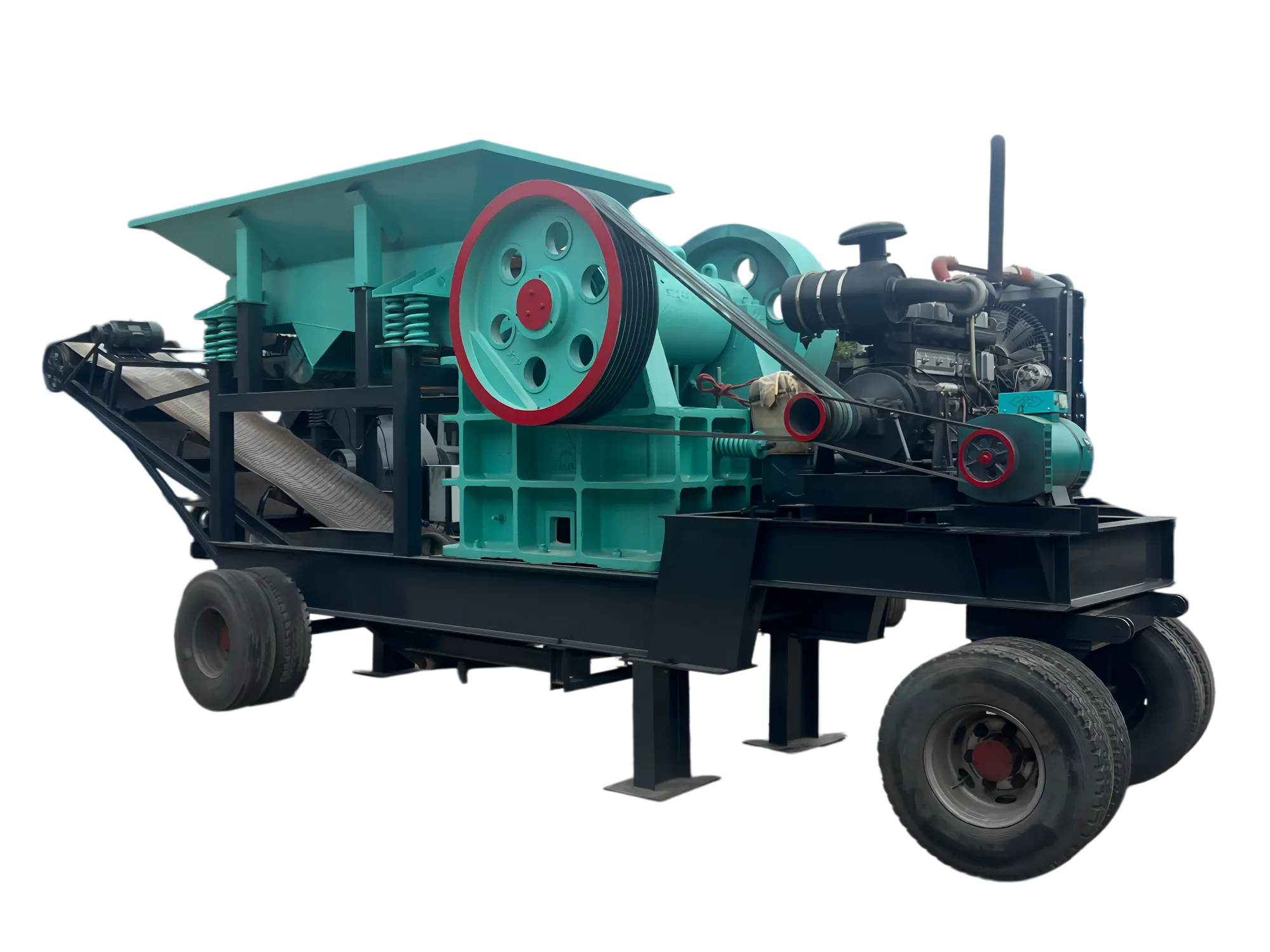
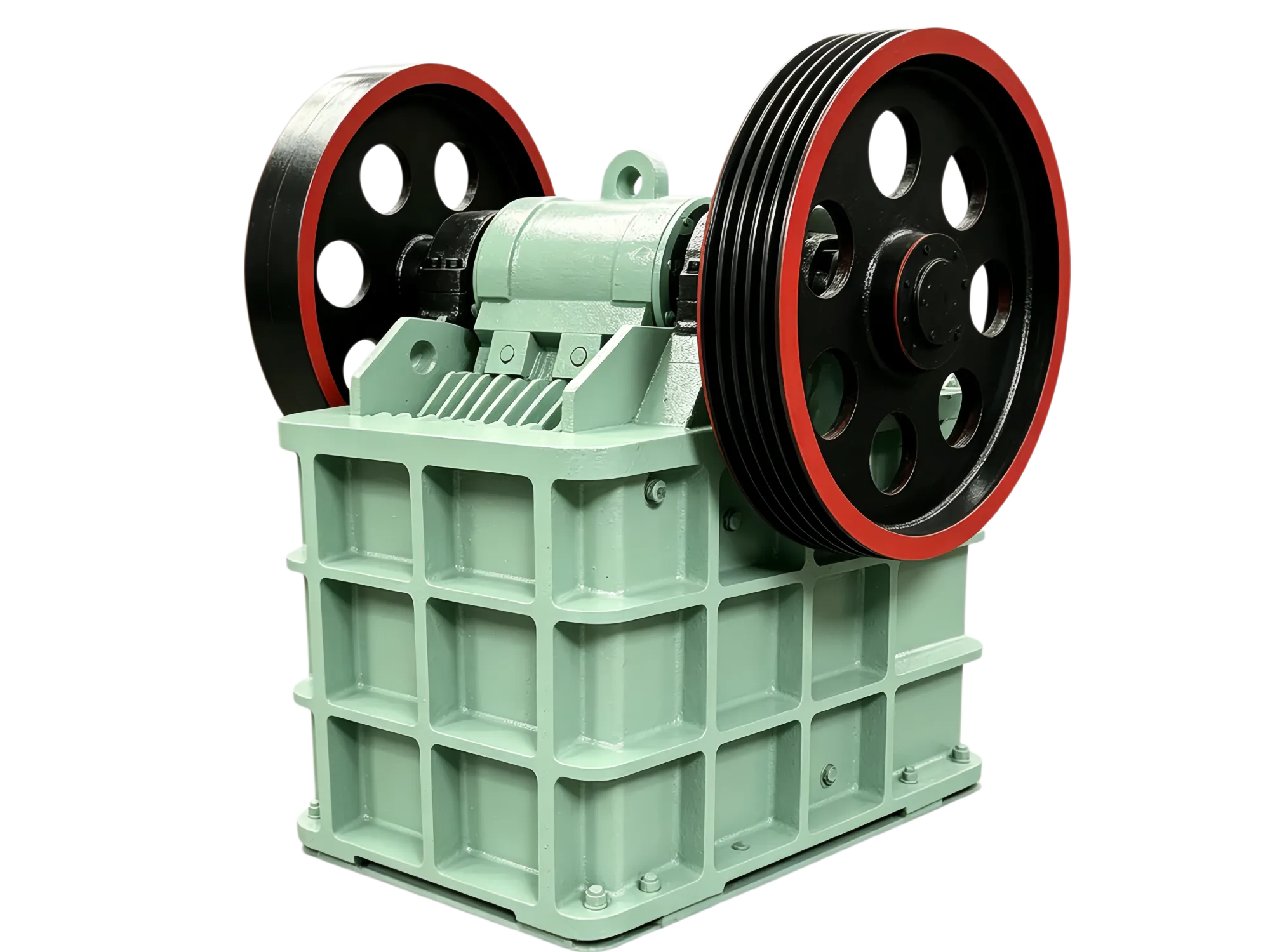
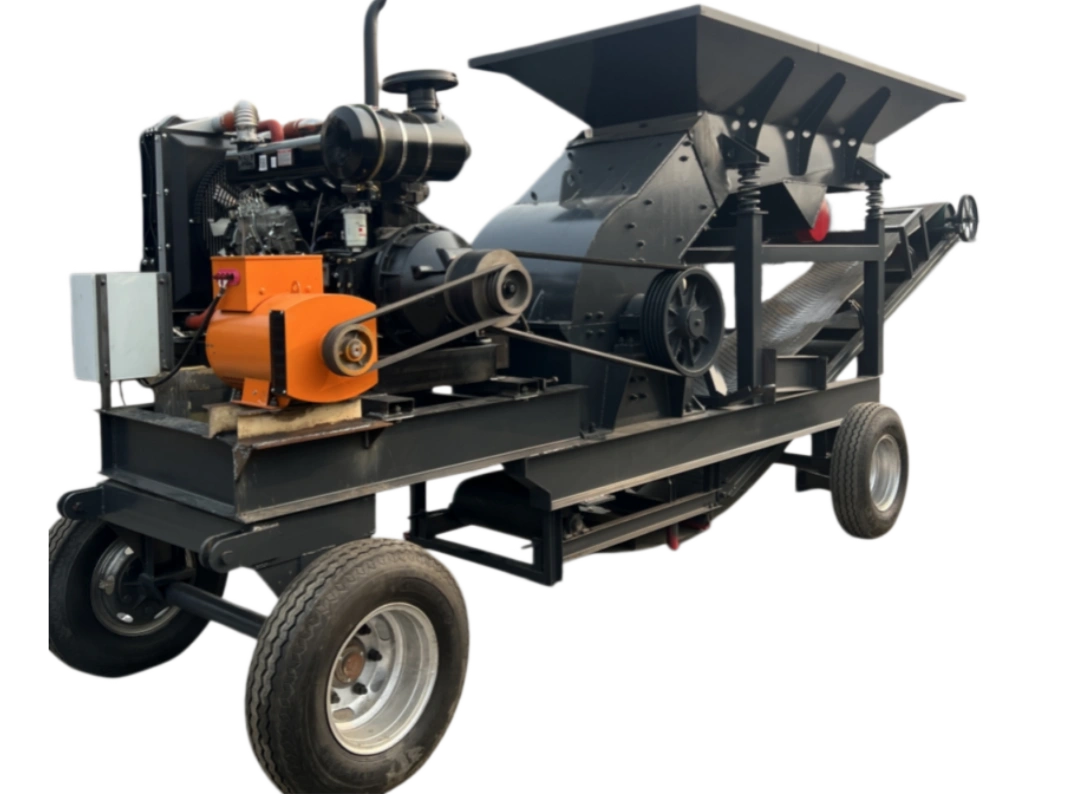
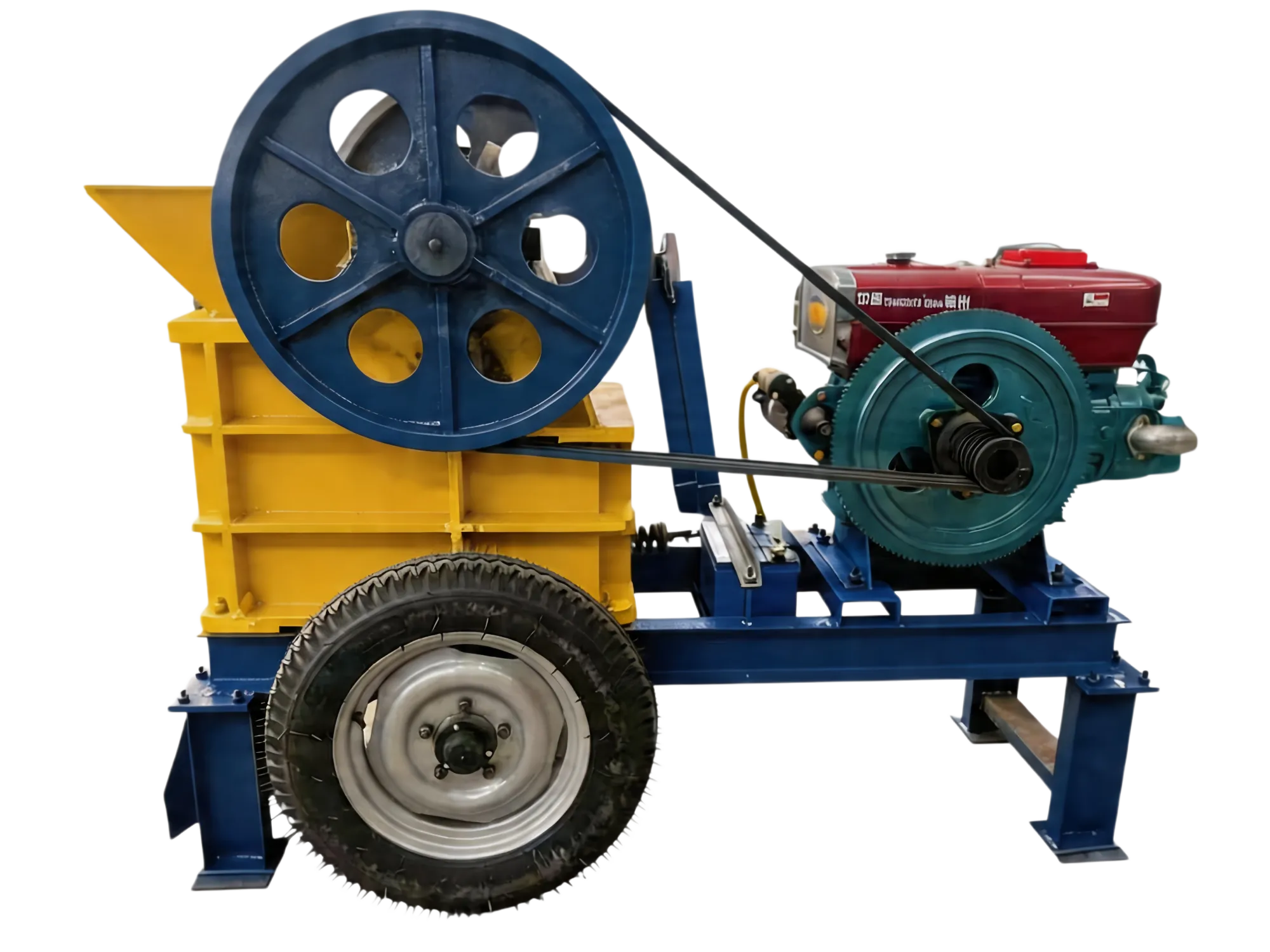
After a thorough site audit and process review, our engineering team recommended the PEX Series Jaw Crusher 500×750 Jaw Crusher: A Smarter Alternative to the 600×900 Jaw Crusher (model PEX-300×1300) with advanced hydraulic adjustment and a heavy-duty roller bearing design. The crusher was sized to accept 750 mm feed and deliver a -120 mm product at 180–250 tph, perfectly matched to feed the existing ball mill. Key features included:
Deep symmetrical crushing chamber and optimized nip angle for maximum throughput and reduction ratio.
Hydraulic setting adjustment that allows on-the-fly CSS changes to compensate for liner wear, ensuring stable ball mill feed.
Reversible manganese steel jaw dies for extended wear life and lower cost per ton.
Integrated dust suppression and automated lubrication system to reduce maintenance interventions.
Installation was completed during a planned 5-day shutdown. Our team also provided training on predictive maintenance and remote monitoring to minimize future disruptions.
Equipment Used
The core of the upgrade was the PEX-300×1300 Jaw Crusher . In addition, the following auxiliary equipment from our product line was integrated to optimize the whole circuit:
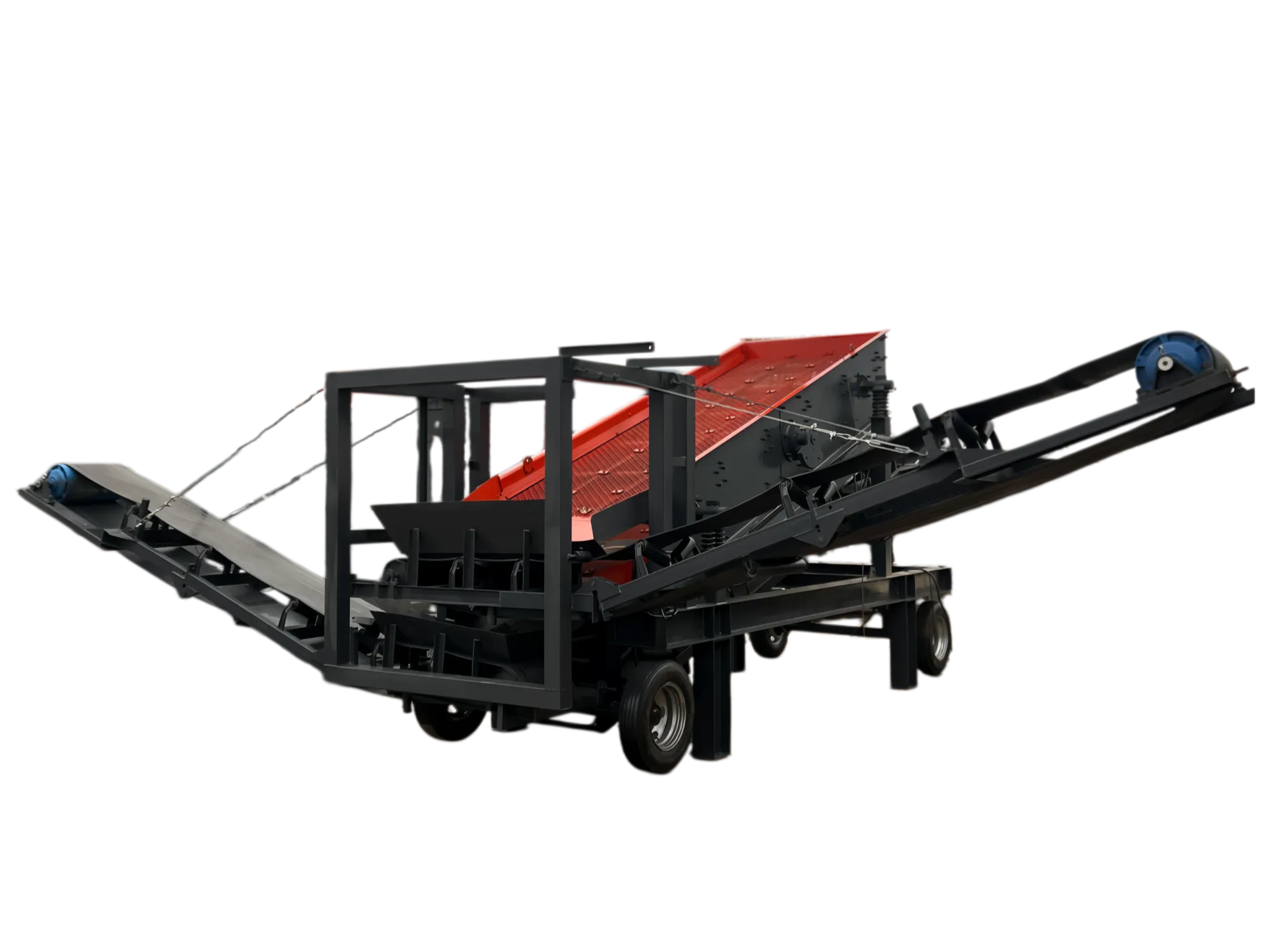
Vibrating Feeder (GZD-1100×4200): Ensures steady metered feed to the jaw crusher, preventing surge loads that could hamper ball mill performance.
Belt Conveyor (B1000×20m): Transports crushed material to the secondary cone and eventually to the ball mill feed bin.
Dust Collector (LPM-4-16): Controls airborne particles at transfer points, improving workplace safety near the jaw crusher and ball mill area.
Results & Impact
Production & Quality Gains
Within the first quarter after commissioning, the new jaw crusher increased overall plant throughput by 22%, from 410 tph to 500 tph, while maintaining a consistent -100 mm product. This uniformity reduced the circulating load in the secondary circuit and stabilized the ball mill feed, lowering the ball mill’s specific energy consumption from 22 kWh/t to 18.5 kWh/t—a 16% improvement.
Downtime Reduction
Unplanned downtime dropped to less than 3 hours per month, a 75% decrease. The hydraulic setting adjustment and auto-lube system eliminated manual interventions, and the first liner change occurred after 8 months instead of the previous 4 months, slicing annual wear costs by 40%.
Finer End Product
With a steadier ball mill operation, the manufactured sand product now meets the stringent API specifications for concrete sand (< 3% passing #200 sieve) consistently, opening up a new premium product line that generates an additional $1.2 million in annual revenue.
Return on Investment
The entire modernization, including installation, paid for itself in just 11 months through savings in electricity, wear parts, and maintenance, plus the revenue uplift from higher quality sand. The plant manager noted, “The ball mill has never run more smoothly, and we finally hit our production targets without constant phone calls at 2 a.m.”
This case study demonstrates how a properly sized and maintained jaw crusher doesn’t just crush rock—it transforms downstream processes like the ball mill and drives profitability across the entire aggregate operation.