
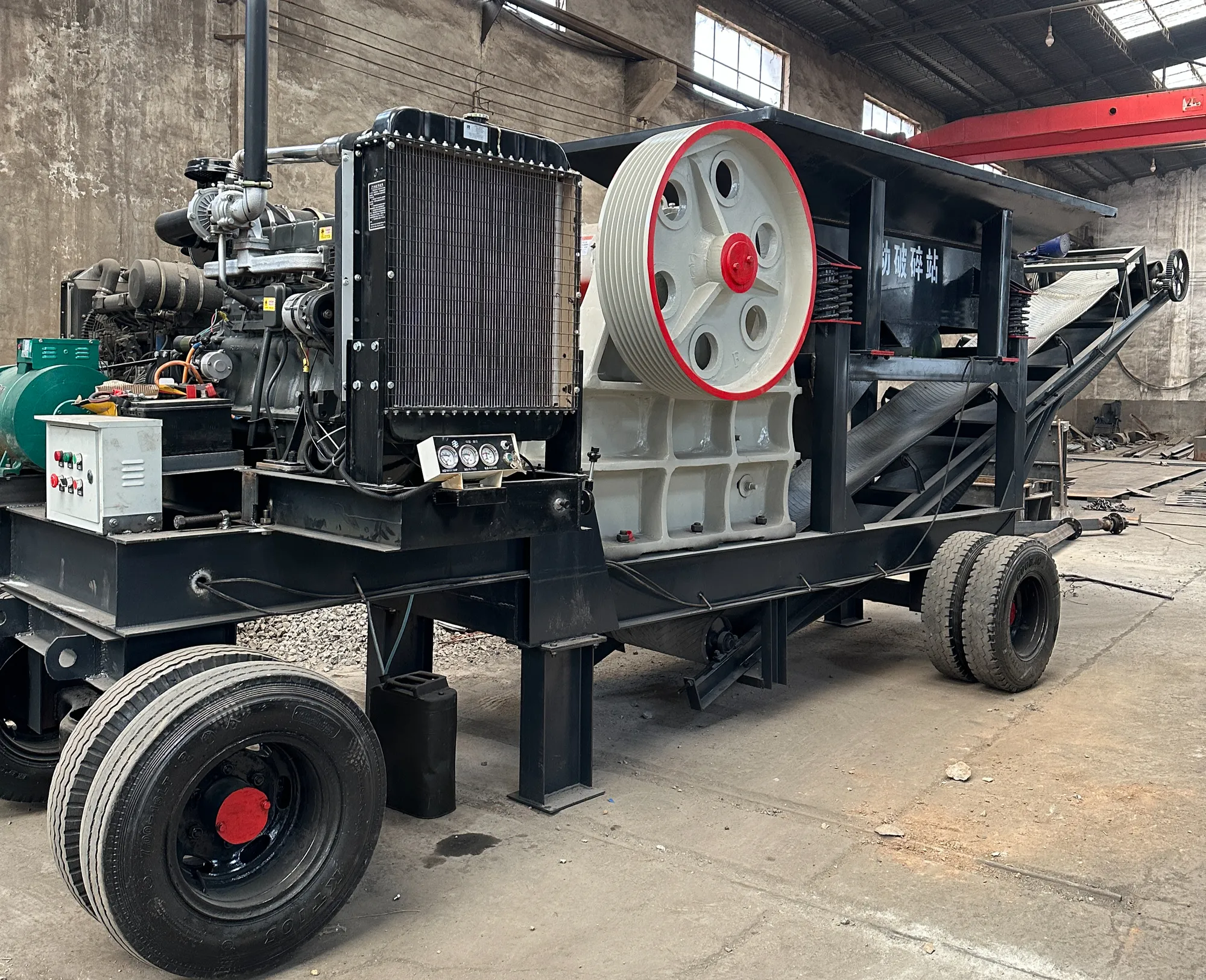
Guide to Selecting a Small Mobile Jaw Crusher: Key Factors & Tips
In the mining, quarrying, and aggregate crushing industries, small-scale operations often face a critical question: how to choose the right small mobile jaw crusher that balances efficiency, portability, and cost. Whether you're processing demolition debris, recycling concrete, or crushing hard rock in remote locations, a compact mobile jaw crusher can dramatically streamline your workflow. However, with a wide range of models and features available, making an informed selection is vital. This comprehensive guide walks you through the essential factors to consider, helping you maximize productivity and return on investment with the perfect small mobile jaw crusher for your needs.
Why a Small Mobile Jaw Crusher ? Understanding the Basics
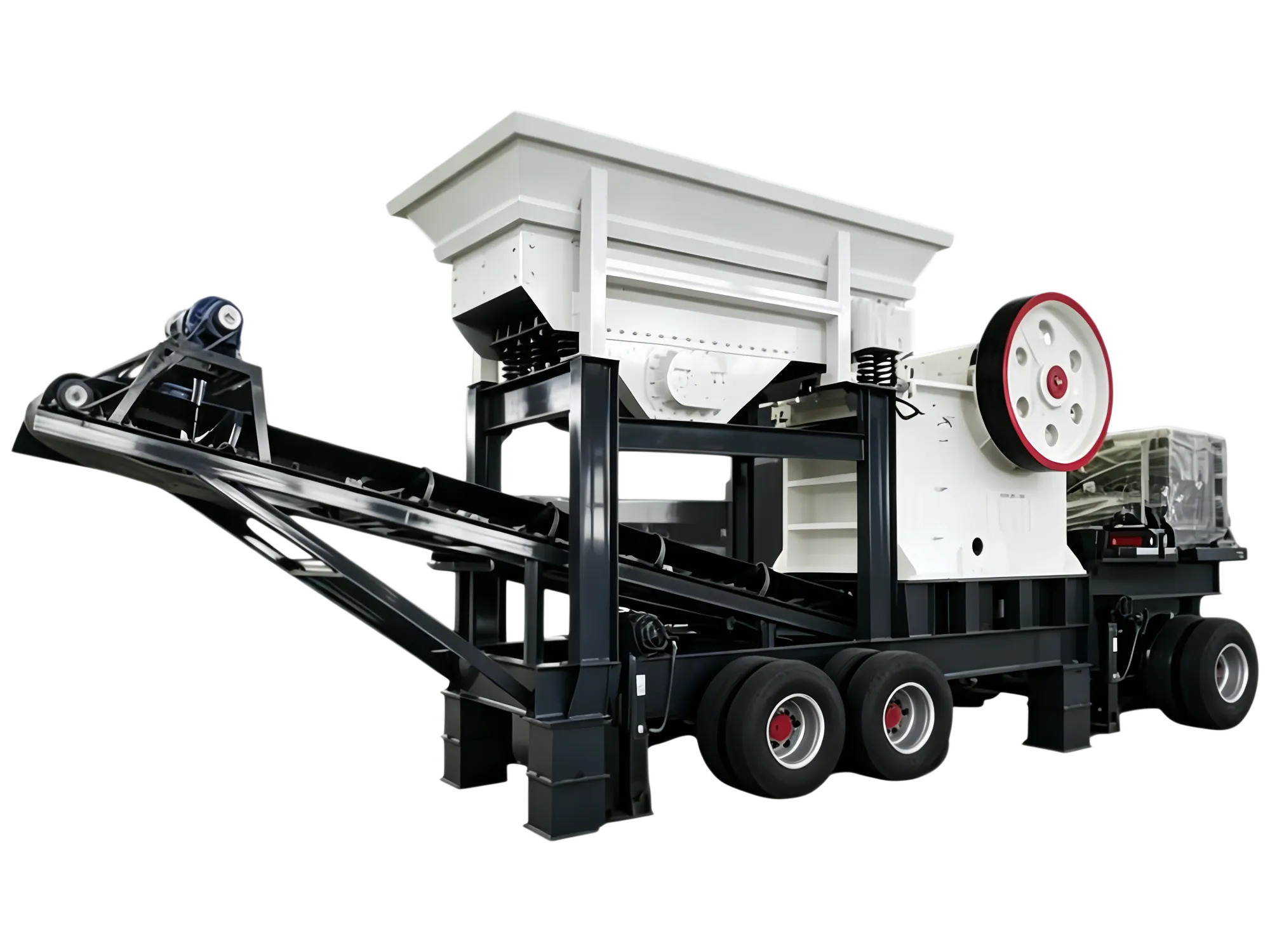
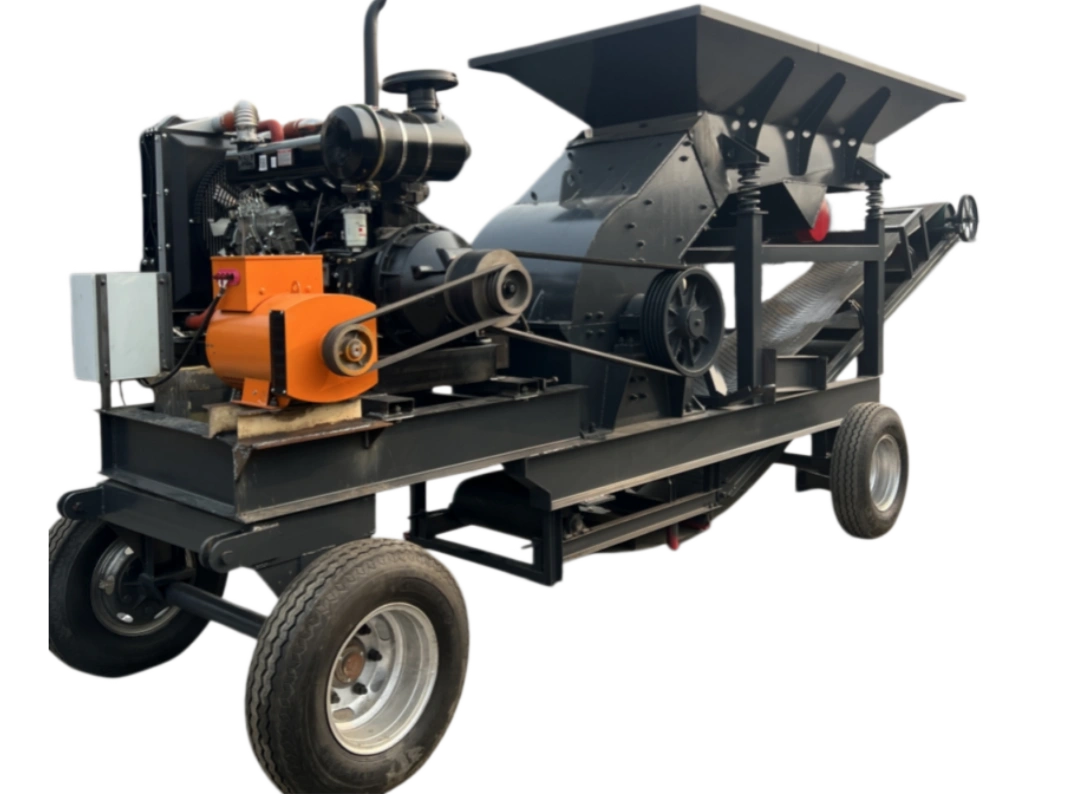
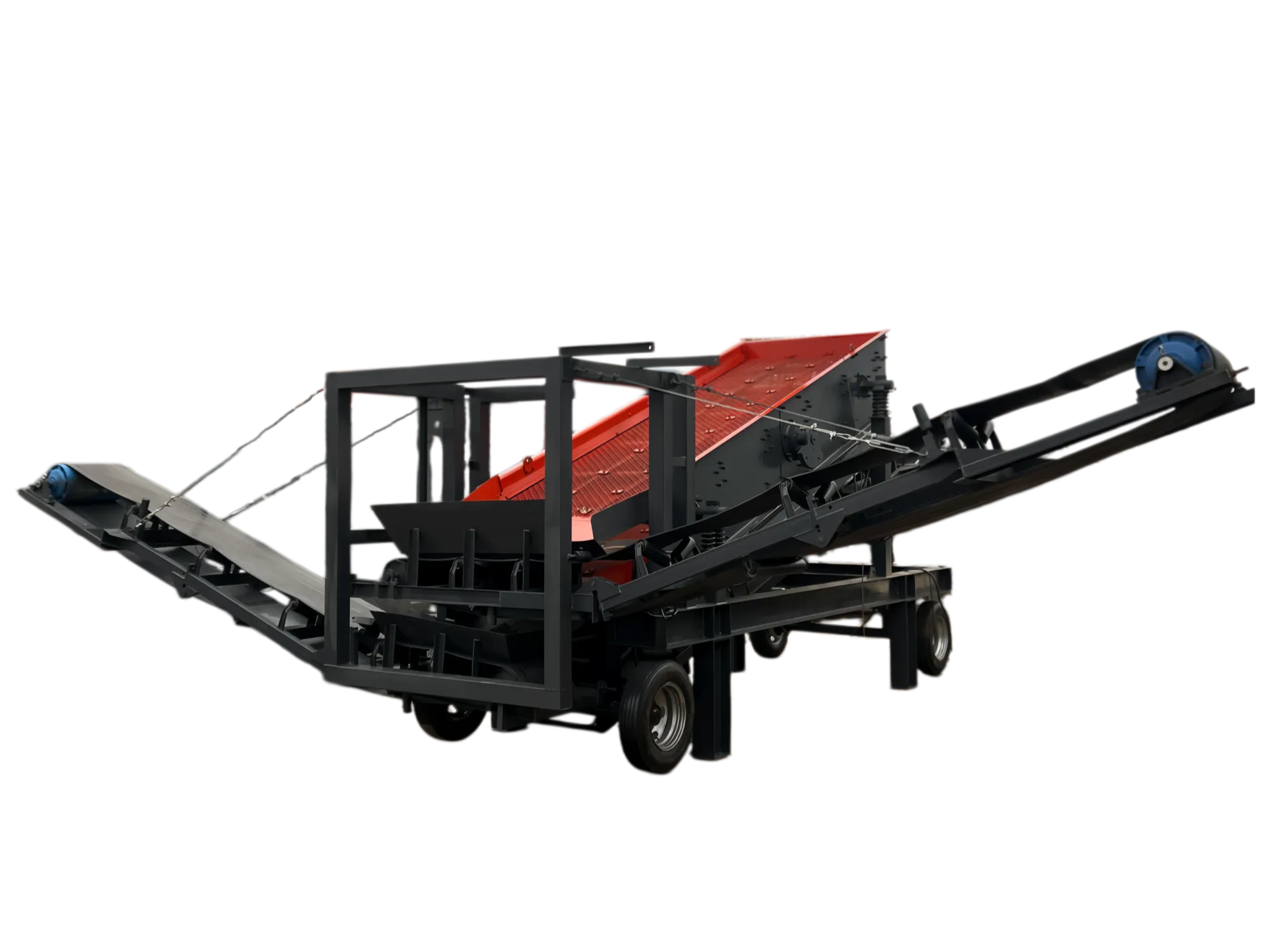
A small mobile jaw crusher is a track-mounted or wheeled crushing unit designed for on-site primary crushing of materials like granite, limestone, concrete, and asphalt. Unlike large stationary plants, these compact units are engineered for easy transportation, quick setup, and flexible operation across multiple job sites. They combine a robust jaw crusher with a diesel-electric or fully electric drive system, often featuring a vibrating feeder, magnetic separator, and discharge conveyor in one self-contained package.
The primary appeal lies in their mobility and reduced operating costs. By crushing material directly at the source, you eliminate the expense of hauling raw feed to a distant processing center. This not only reduces logistics costs but also minimizes environmental impact. For contractors, small mining operators, and recycling businesses, a portable jaw crusher can turn waste materials into valuable aggregates on the spot, boosting profitability and sustainability.
Key Factors to Consider When Selecting a Small Mobile Jaw Crusher
1. Production Capacity & Output Size Requirements
Determining your required tons per hour (TPH) is the starting point. Small mobile jaw crushers typically range from 50 TPH to 300+ TPH. If you need consistent high-volume crushing, a unit at the upper end might be necessary. However, for intermittent or niche applications, a compact model rated at 80–150 TPH often provides ample capacity without excessive fuel consumption. Equally important is the desired final product size. The crusher’s CSS (closed side setting) adjustment range determines the output gradation. Check whether the machine can produce aggregates in the sizes you need, such as 0–40 mm, 0–70 mm, or specific gradations for road base or concrete aggregate. Some models offer hydraulic CSS adjustment, enabling on-the-fly changes without manual intervention.
2. Feed Material Characteristics
The nature of your input material profoundly influences crusher selection. Consider:
Hardness and abrasiveness: Hard rock like granite or basalt demands a crusher with high-strength wear parts and a robust crushing chamber. Softer materials like limestone or recycled concrete are less demanding.
Feed size: The maximum allowable feed size must match your raw material. A small mobile jaw crusher with a larger feed opening can handle bigger rocks, reducing the need for pre-breaking.
Moisture and clay content: Sticky or wet materials can cause clogging. Ensure the crusher has adequate screening and pre-separation capabilities, or consider options like a vibrating grizzly feeder to bypass fines.
3. Mobility and Transport Considerations
One of the main advantages of a mobile crusher is its ability to move between sites. Assess the following:
Tracked vs. wheeled: Track-mounted crushers offer superior on-site maneuverability and can work on uneven terrain. Wheeled units are more cost-effective and easier to tow with a standard truck, ideal for sites with prepared ground.
Dimensions and weight: Check local transport regulations. Many compact jaw crushers are designed to fit within a standard container or to be hauled without special permits. Compact dimensions also simplify positioning in tight spaces.
Setup time: Look for quick hydraulic folding hoppers and conveyors. Rapid deployment reduces downtime between sites.
4. Power Source and Energy Efficiency
Modern small mobile jaw crushers offer various power options:
Diesel-hydraulic: Traditional and widely used, offering independence from grid power. Suitable for remote locations.
Diesel-electric: A combination that can run the crusher via electric motor while using diesel for tracks, improving fuel efficiency and allowing plug-in operation when available.
Fully electric: Emerging models connect to mains or use onboard batteries. They produce zero emissions on site and lower long-term energy costs, but require reliable power access.
Consider the cost and availability of fuel vs. electricity in your operating region. High-efficiency drive systems can cut operational expenses significantly over the machine’s lifetime.
5. Crushing Chamber and Jaw Design
The jaw crusher’s chamber profile is crucial for throughput and reduction ratio. Deep, symmetrical chambers (single toggle) provide a high stroke at the top, improving material intake and crushing performance. Look for:
Reversible jaw dies: Extend wear life by allowing you to flip them when worn.
Hydraulic wedge adjustment: Simplifies CSS changes and jaw plate replacement.
Integrated overload protection: Prevents damage from uncrushable objects, reducing unplanned downtime.
6. Ease of Maintenance and Serviceability
Downtime kills profits. A well-designed small portable jaw crusher should facilitate quick maintenance. Key points:
Centralized lubrication points: Reduce manual greasing time.
Easy access to wear parts: Hydraulic opening of the crusher housing and large inspection doors speed up jaw plate changes.
On-board diagnostics: Advanced models feature telematics that monitor engine health, crusher load, and maintenance intervals, sending alerts to your phone or computer.
7. Cost and Return on Investment (ROI)
Price is a critical factor, but the cheapest option may not be the most economical in the long run. Evaluate:
Initial purchase price vs. lifecycle cost: Include fuel consumption, wear part expenses, and expected service life.
Resale value: Well-known brands often hold value better.
Financing and warranties: Check for flexible payment plans and comprehensive after-sales support.
Versatility: Some crushers can be equipped with optional add-ons like side conveyors, magnet separators, or screen boxes to produce multiple products, enhancing their utility and earning potential.
Advantages of Integrating a Small Mobile Jaw Crusher into Your Operation
Investing in a mobile jaw crusher for small-scale mining or contracting delivers measurable benefits:
Reduced material handling: Crush on-site and eliminate truck hauling of raw feed or waste.
Lower environmental footprint: Less truck traffic means lower CO2 emissions and less road wear.
Faster project completion: Immediate crushing accelerates construction and demolition timelines.
Access to remote sites: Compact design allows crushing in areas where stationary plants are impractical.
Quick setup: Modern units can be operational within minutes after arrival, maximizing working hours.
Common Applications and Success Stories
Small mobile jaw crushers excel in various scenarios:
Urban demolition and recycling: Processing concrete and brick into reusable aggregate on tight city sites.
Road construction and maintenance: Producing base material directly along the road alignment.
Small quarry operations: Extracting and crushing stone with limited reserves.
Gold mining and prospecting: Portable units can follow the ore vein, reducing transport costs in remote areas.
Landscaping and site development: Creating decorative stone or fill material as needed.
Case in point: A mid-sized recycling contractor in the Southwest U.S. increased their annual throughput by 40% after replacing an outdated, high-maintenance machine with a modern mobile jaw crusher featuring intelligent control systems and quick-change jaw dies. The operator noted that fuel costs dropped by 25% due to the diesel-electric drive, and the simplified maintenance allowed their crew to focus on production rather than repairs.
Selection Checklist: Ensuring You Choose the Perfect Small Mobile Jaw Crusher
Before finalizing your purchase, run through this checklist:
Define your required tons per hour and product sizes.
Analyze your typical feed material: hardness, abrasiveness, maximum block size, and moisture.
Assess site conditions: Is the terrain rough? Do you have height or width restrictions?
Decide on tracked or wheeled mobility based on transport and on-site movement needs.
Compare power options: diesel-hydraulic, diesel-electric, or fully electric? Evaluate fuel/electricity costs.
Inspect the crushing chamber design and CSS adjustment mechanism.
Examine maintenance aspects: wear part accessibility, greasing, and telematics availability.
Request a detailed lifecycle cost analysis including wear parts and predicted fuel consumption.
Check the manufacturer’s reputation for service and spare parts availability in your region.
If possible, arrange a demonstration or visit a working unit to see performance firsthand.
Conclusion and Next Steps
Selecting the right small mobile jaw crusher is a strategic decision that can elevate your crushing operations to new levels of efficiency and profitability. By carefully weighing capacity, material compatibility, mobility, power source, maintenance, and total cost of ownership, you can pinpoint a machine that aligns perfectly with your business goals. Remember, the ideal crusher is not just about upfront price—it’s about long-term reliability, low operating costs, and the flexibility to tackle diverse jobs.
Ready to find your perfect crushing partner? Explore our range of small mobile jaw crushers for sale , designed for performance and durability. Contact our team today for a personalized consultation or to schedule a live demo. Let us help you turn rocks into revenue with a machine that grows with your business.
Related Products
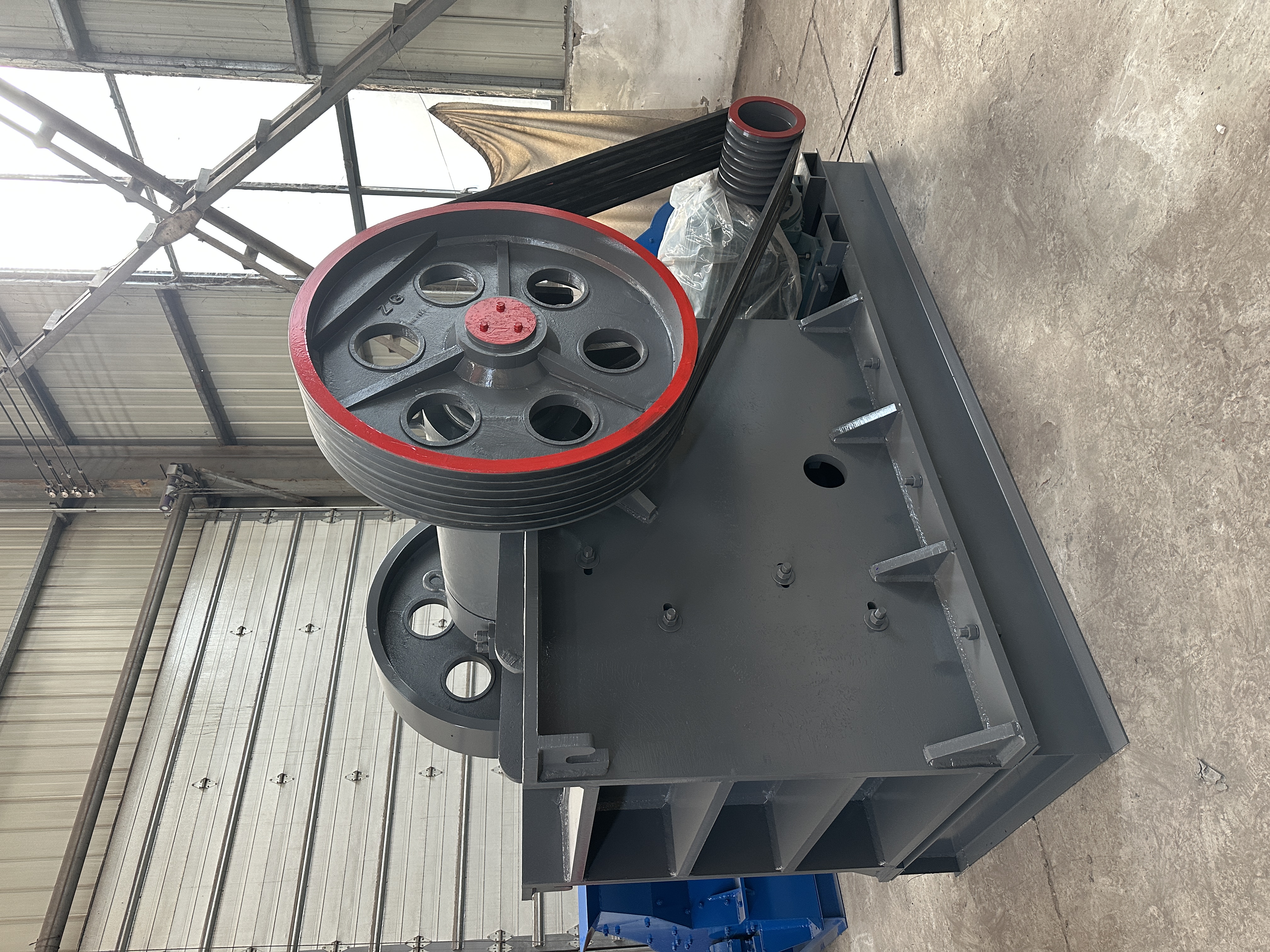
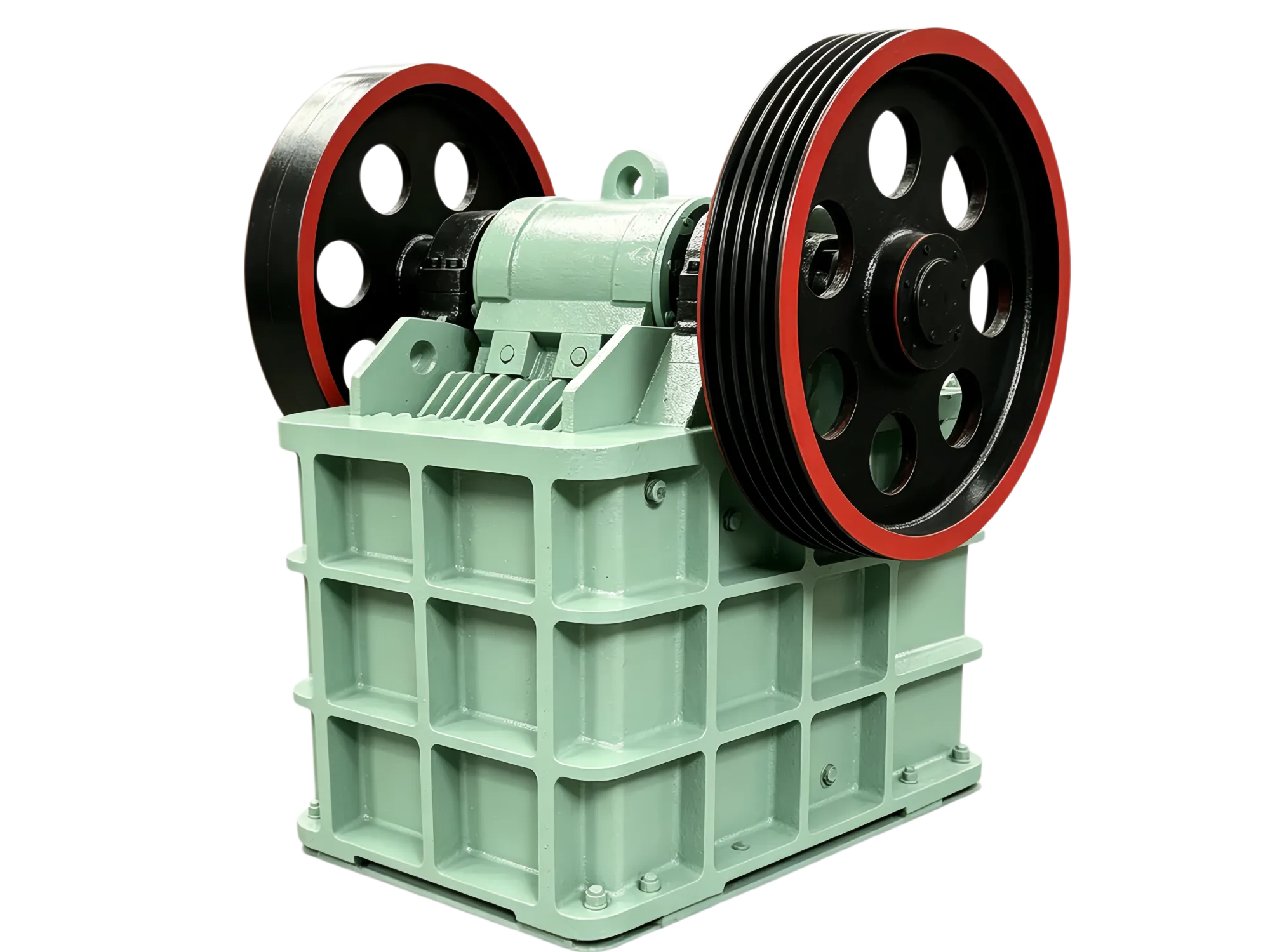
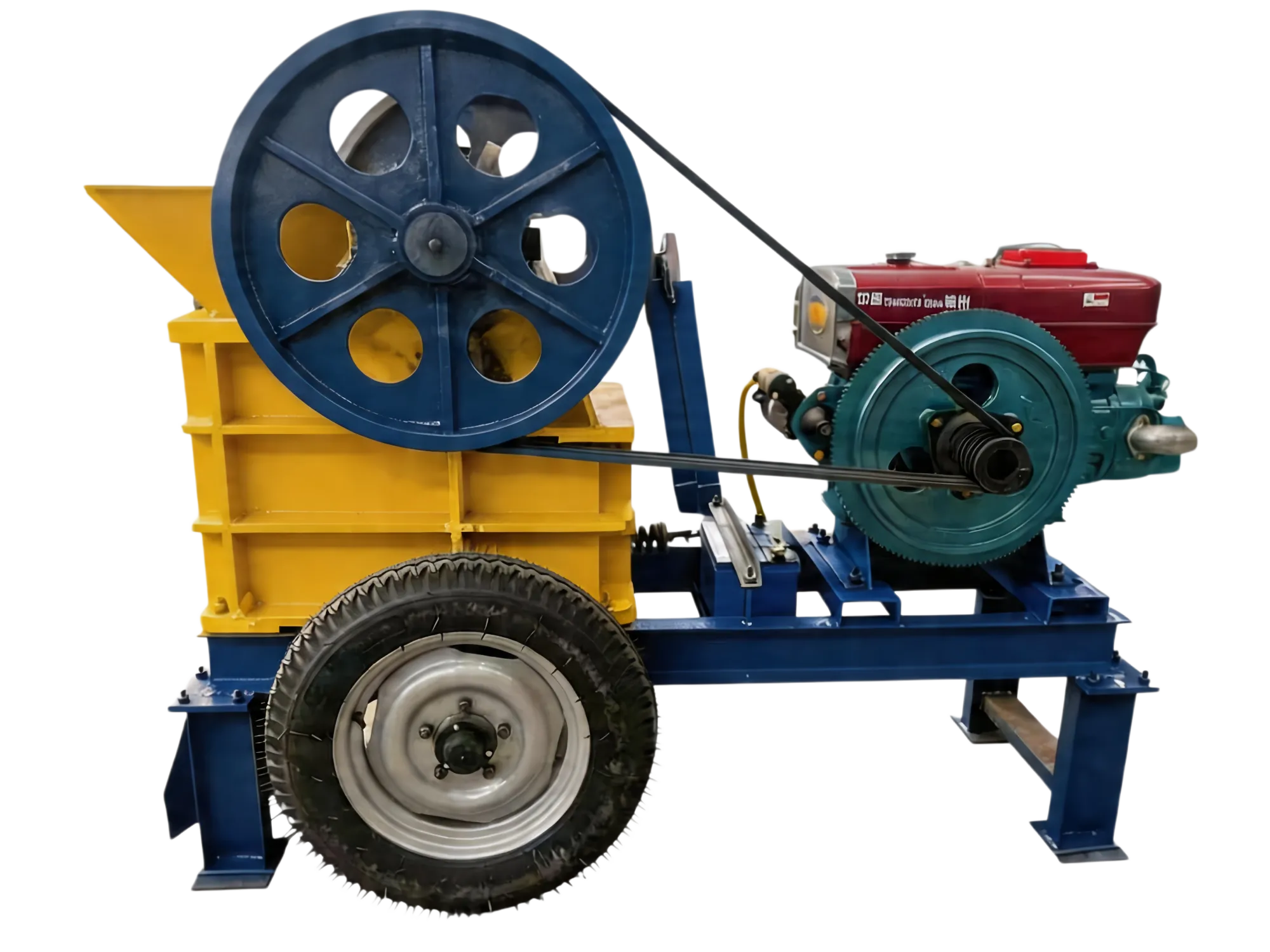
The jaw crusher is the primary primary crushing equipment in industrial crushing production lines and is widely used in the mining, metallurgy and building materials sectors. This equipment offers advantages such as a high crushing ratio, uniform product particle size and a simple structure.
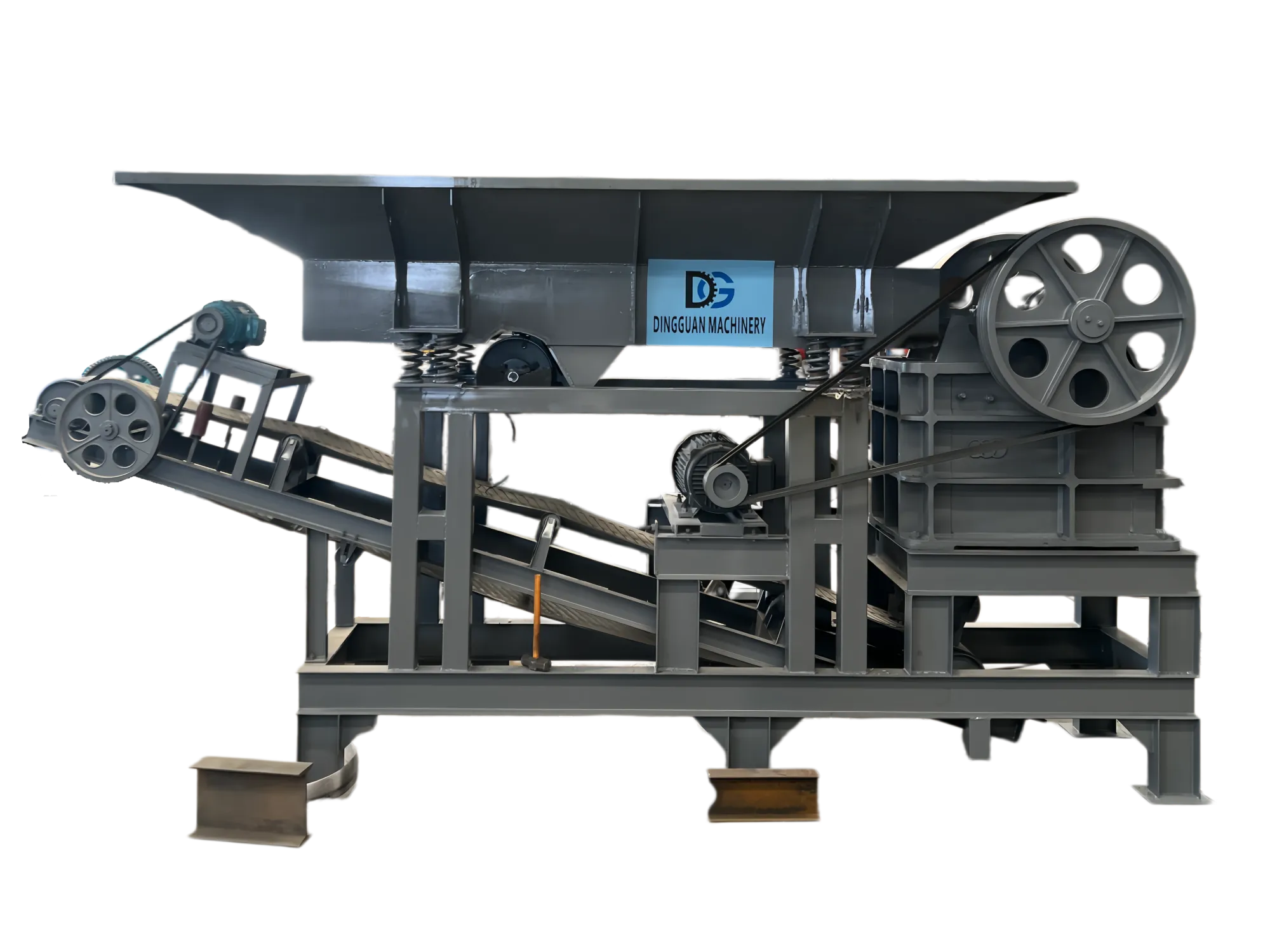
The 250×400 jaw crusher, featuring an integrated design, is capable of crushing various types of ore. It is equipped with a vibrating feeder and a discharge conveyor. It is easy to operate, reliable, and durable.